
A Failure to Launch
Play A Failure to Launch
A Failure to Launch Screenshots









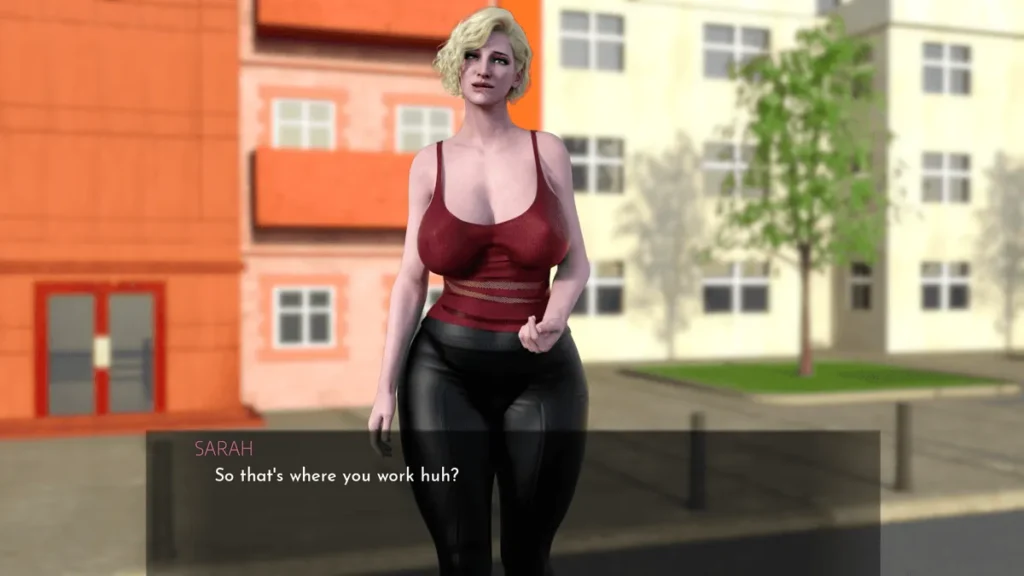
A Failure to Launch review
Story, gameplay tips, and honest impressions of A Failure to Launch
A Failure to Launch is a niche adult game that blends character-driven storytelling with interactive systems, and many players stumble onto it unsure what to expect. In this guide, we’ll walk through how A Failure to Launch works, what makes its progression loop engaging, and where it might frustrate you if you go in blind. Drawing on personal playthrough experiences and community feedback, I’ll break down the game’s structure, show you how to get more out of each session, and share practical tips so you can decide if A Failure to Launch fits what you’re looking for.
What Is A Failure to Launch and Who Is It For?
So you’ve stumbled across A Failure to Launch game on a forum or a download page, the title probably got a chuckle out of you, and now you’re wondering, “Okay, but what is this actually about?” 🤔 Is it just another quick, forgettable experience, or is there something more here? You’ve come to the right place. In this chapter, we’re going to dig into the heart of what is A Failure to Launch, exploring its unique premise and, most importantly, helping you figure out if it’s the right game for you.
Let’s clear the air right away: A Failure to Launch isn’t your typical, run-of-the-mill title in its genre. It’s a character-driven journey that uses its adult elements as part of a larger, surprisingly relatable story. If you’re looking for a deep dive into a game that prioritizes personality over polish and story over simple mechanics, then buckle up.
Core premise and setting of A Failure to Launch
At its core, what is A Failure to Launch? It’s a visual novel-style life-sim that follows a protagonist who is, quite literally, stuck. You play as a young adult who has moved back home with your parents after a failed attempt at independent living. Your room is a shrine to a younger you, your social life is on life support, and every interaction with your successful older sister is a fresh dose of awkwardness. The “failure to launch” isn’t just a clever title—it’s the central, often painfully relatable, theme of the entire experience. 🚀❌
The tone masterfully walks a line between light-hearted, cringe comedy and genuine, slow-burn character drama. You’ll find yourself laughing at the protagonist’s internal monologue as he overthinks every social interaction, but also genuinely feeling the weight of his insecurity and desire to turn things around. It’s this blend that gives the game its unique charm.
In terms of structure, A Failure to Launch gameplay overview reveals it’s more of a guided narrative than a true sandbox. You typically progress through a linear timeline of weeks, but each day or week presents you with key choices on how to spend your time. Will you finally clean your disgustingly messy room to impress your mom? 😅 Hit the gym to work off your anxiety? Or actually try to strike up a conversation with that intriguing neighbor you keep seeing? These choices don’t just trigger isolated scenes; they build your relationships, unlock new story branches, and slowly change how other characters perceive and interact with you.
What makes it stand out is its intense focus on the why behind every interaction. This isn’t a game about mindlessly clicking through dialogue to get to the next visual reward. Progression is tied directly to story beats and character development. You can’t just spam the same action to raise a “affection” meter. Instead, you need to pay attention to what characters say, remember their interests and histories, and make choices that show genuine growth. The adult content, when it occurs, feels earned—a natural culmination of a developed relationship rather than a disconnected prize.
Example: In one of my early playthroughs, I decided to tackle the Everest of laundry and junk in my character’s room. This single, mundane choice didn’t just trigger a cleaning animation. It led to a long, surprisingly heartfelt conversation with my in-game mother, revealing her own worries and hopes for me. It unlocked new, more positive dialogue options with her for the rest of the game and even changed how my sister viewed my efforts. It was a small action with meaningful narrative ripples, which perfectly illustrates the game’s adult game story focus.
Who will enjoy A Failure to Launch the most?
Figuring out who is A Failure to Launch for is key to your enjoyment. This isn’t a one-size-fits-all kind of game. It’s a specific flavor, and if it’s your flavor, you’ll absolutely adore it. If not, you might find yourself frustrated.
This game is a perfect match for players who love:
* Character-Driven Stories: If you play games for the people in them, you’ll thrive here. The characters in A Failure to Launch are flawed, funny, and feel surprisingly real.
* Slow-Burn Progression: This is a marathon, not a sprint. The joy comes from the incremental, often awkward, steps your character takes toward becoming a better version of himself.
* Dialogue and Choices: If you enjoy reading nuanced conversations and seeing how your selections alter a story’s path, the A Failure to Launch visual novel style will be your jam.
* Relatable, “Stuck-in-a-Rut” Themes: Ever felt like you’re treading water? The game taps into that universal feeling with humor and heart.
On the other hand, you might want to temper your expectations if you prefer:
* Fast-Paced, Action-Oriented Gameplay: This is a thoughtful, narrative experience. There are no quick-time events or reflexes required.
* Minimal Reading: The game is text-heavy. The visuals support the story, but the story is delivered through dialogue and internal monologue.
* Immediate Gratification: Building meaningful relationships takes multiple in-game weeks. If you want instant payoff, you’ll likely get impatient.
From my personal experience, I went in expecting a simple, maybe slightly janky comedy. What I found was a game that made me oddly invested. I remember one early scene where you’re forced to have breakfast with your family while still in your pajamas, feeling everyone’s silent judgment. It was so acutely awkward and relatable that I actually cringed—and then immediately wanted to play more to overcome that feeling. The game has a way of making you root for this digital mess of a person.
To put it simply:
- You’ll probably LOVE A Failure to Launch if… you value story over graphics, enjoy seeing characters grow, and don’t mind a slower pace where your choices truly shape the narrative.
- You might want to SKIP A Failure to Launch if… you dislike reading large amounts of text, need constant action or immediate rewards, and prefer games with highly polished, seamless visuals.
How does A Failure to Launch compare to similar games?
To really understand what is A Failure to Launch, it helps to see where it sits on the broader spectrum. Let’s compare it to a few common archetypes without naming names.
| Game Archetype | Typical Focus | Where A Failure to Launch Fits |
|---|---|---|
| Pure Visual Novel | Linear storytelling, heavy on branching dialogue choices, often minimal gameplay mechanics. | This is the closest cousin. A Failure to Launch adopts the visual novel style for its narrative delivery but adds a life-sim layer of time and resource management (energy, money) that affects your choice availability. |
| Sandbox Life-Sim | Open-ended gameplay, grind-heavy progression, often with a “tick boxes” approach to unlocking content. | A Failure to Launch is more narrative-guided. You have freedom, but within a structured story. The grind is replaced by narrative progression. You’re not repeating the same task 50 times; you’re following a character’s storyline to its conclusion. |
| Grind-Heavy Progression Game | Repetitive actions to fill visible stats (like strength, charm) that gate content. | The game deliberately avoids pure stat grinding. Your “stats” are your relationships and personal achievements within the story. Unlocking a scene isn’t about having “Charisma Lvl 5,” but about having had the right conversations and made the right choices with a specific character. |
Now, for an honest A Failure to Launch review of its pros and cons:
Strengths:
* Charm & Humor: The writing is self-aware and genuinely funny. The awkward situations are comedy gold.
* Character Focus: The adult game story focus is real. You care about these digital people.
* Meaningful Choices: Decisions feel like they have weight, encouraging replayability to see different relationship outcomes.
* Relatable Core: The central theme resonates, making the protagonist’s victories feel like your own.
Drawbacks to Consider:
* Slow Start: The first few in-game weeks can feel limiting as you establish the basics. Patience is required.
* A Learning Curve: Understanding how your daily choices weave into the larger narrative web isn’t always obvious. You might miss content on a first playthrough.
* Jank is Part of the Package: This isn’t a AAA title. Some animations might be simple, and the visual style is consistent but not groundbreaking. It’s part of the game’s indie charm for some, but a distraction for others.
So, where does this leave you? The A Failure to Launch game is a compelling, narrative-rich experience for players who want more than just a superficial checklist. It’s for those who enjoy getting to know characters, guiding a story through meaningful choices, and don’t mind a bit of textual heavy lifting and initial slow pacing. If you see yourself in the “love it” list above, then this deep dive into what is A Failure to Launch should confirm that this unique, character-driven journey is absolutely worth your time. Your download is waiting, and a surprisingly heartfelt story about getting unstuck is ready to begin.
A Failure to Launch is one of those games that feels simple on the surface but opens up once you understand how its story, choices, and progression fit together. If you’re patient enough to lean into the dialogue, explore different paths, and accept a slower, more character-focused pace, it can be surprisingly engaging. Take your time with your first run, pay attention to how the game reacts to your decisions, and don’t be afraid to experiment with different approaches in later playthroughs. If the premise and tone resonate with you, A Failure to Launch can easily become a memorable part of your adult gaming library.