Play After the Inferno
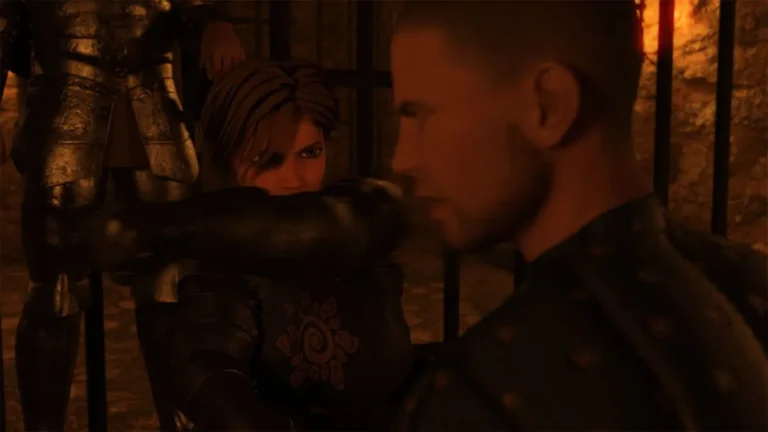
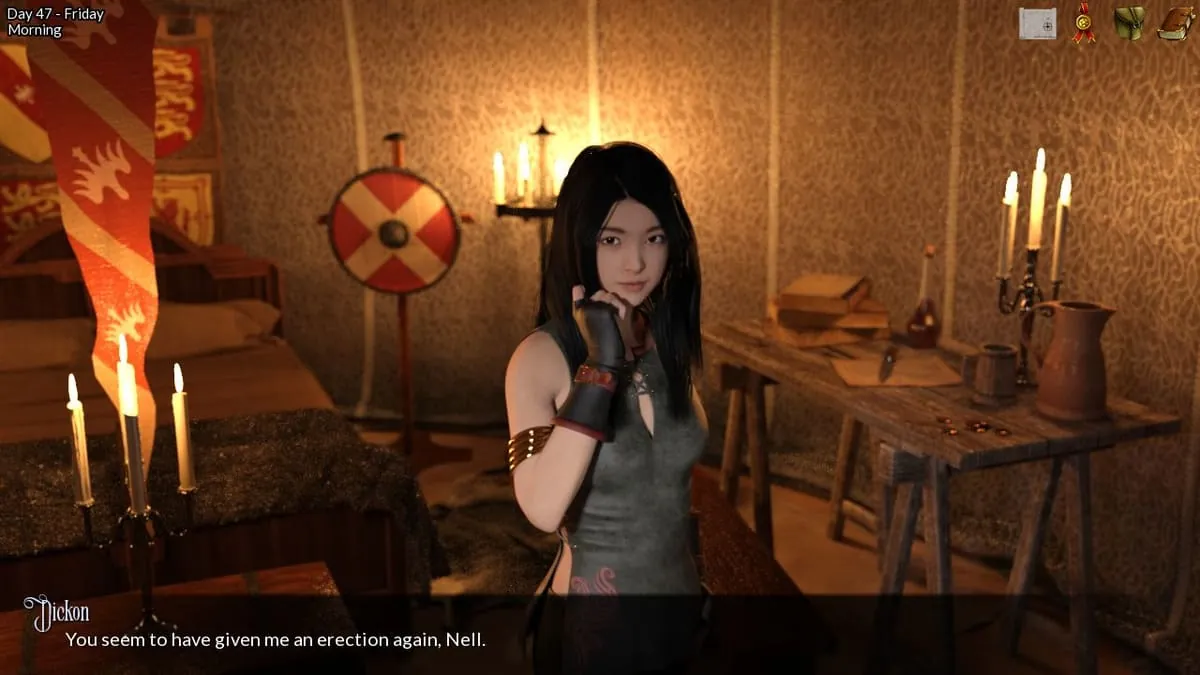
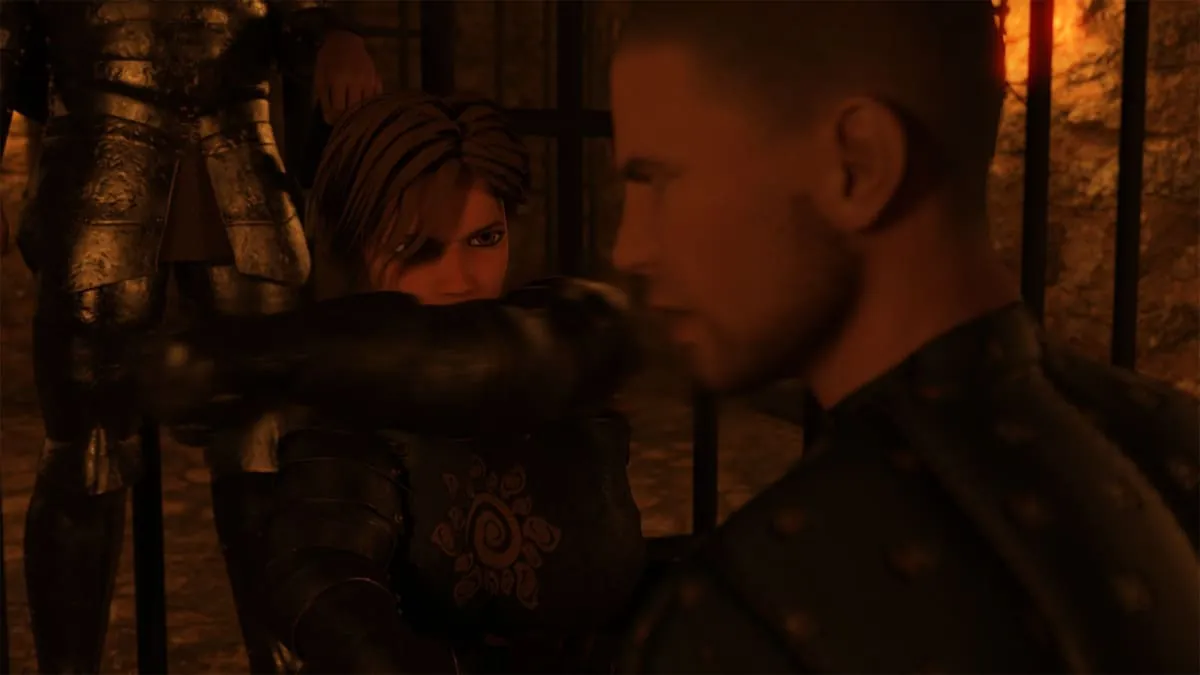
After the Inferno Screenshots
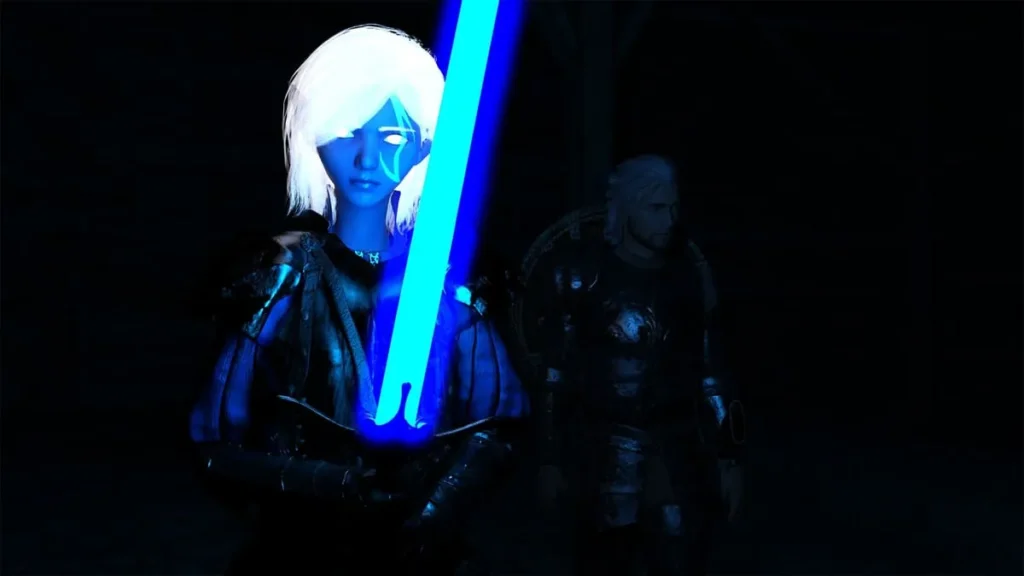
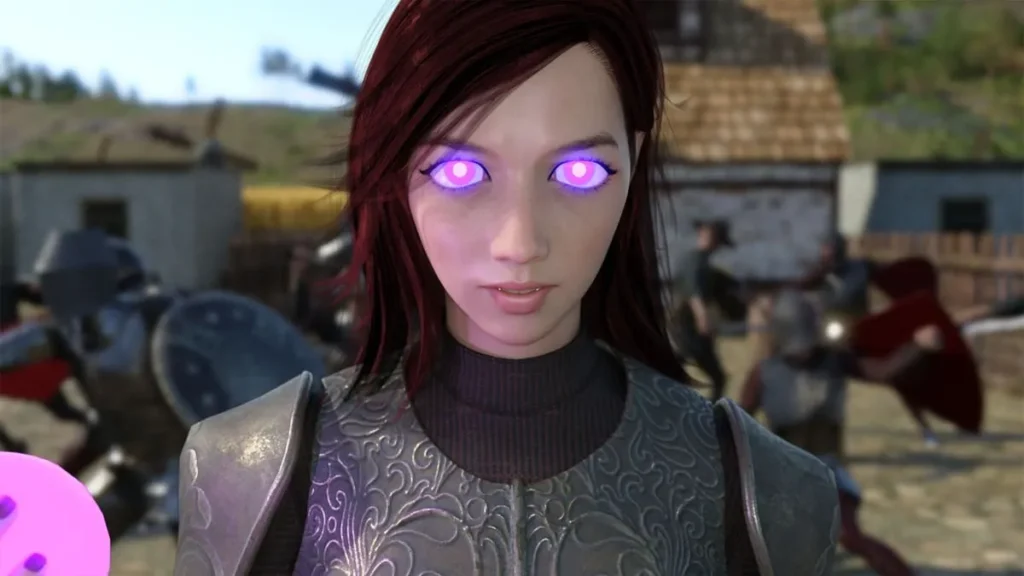


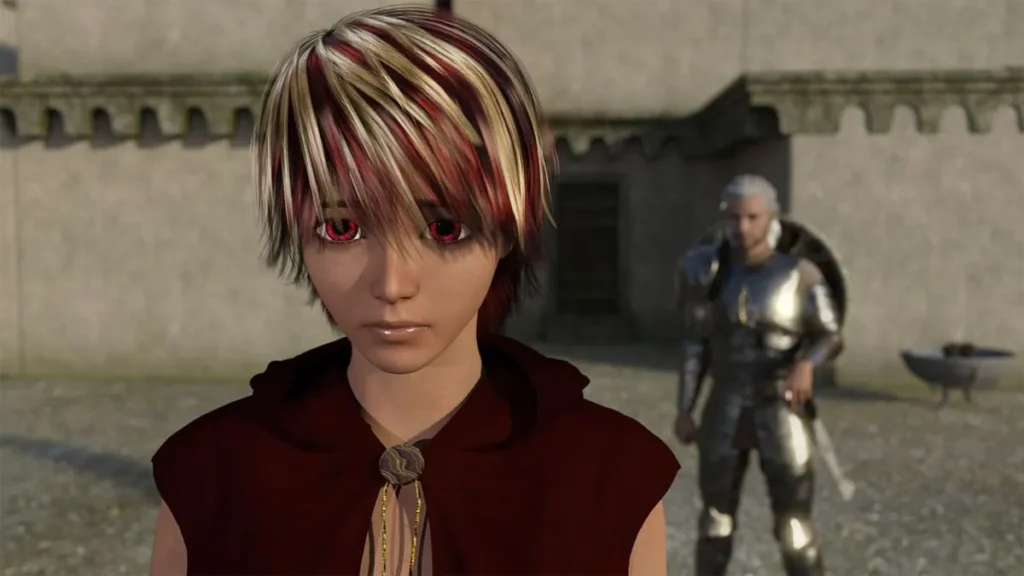
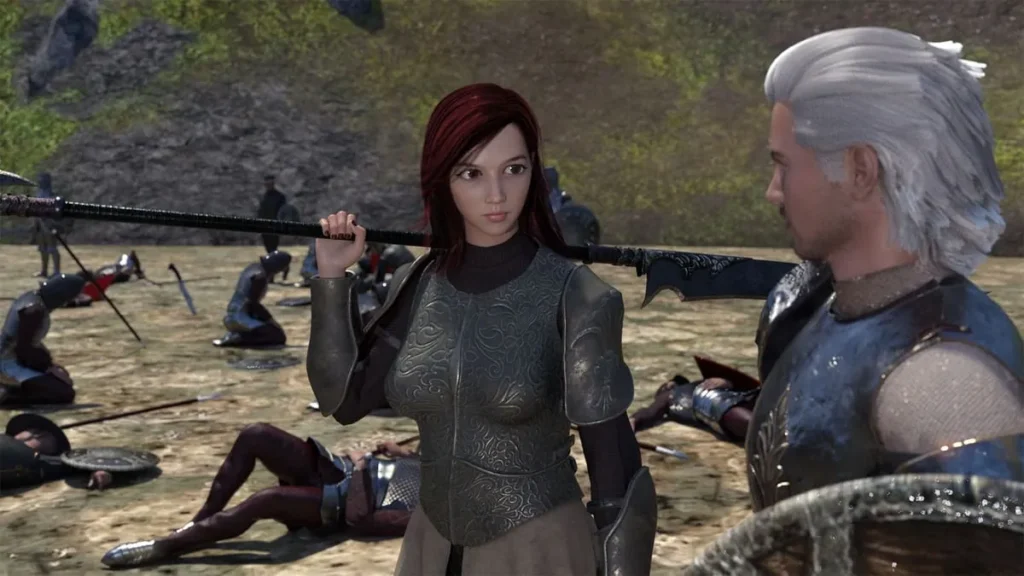


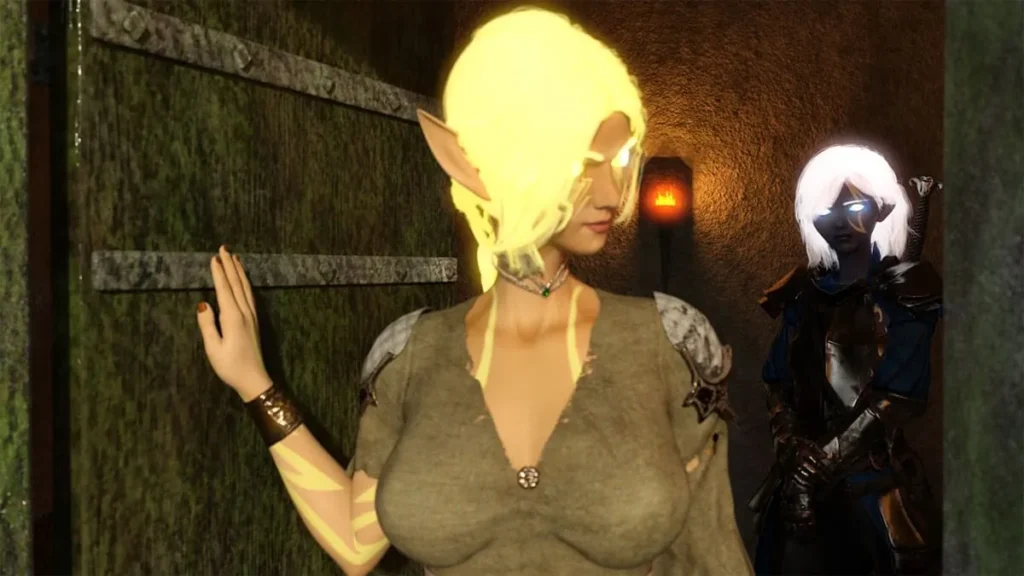
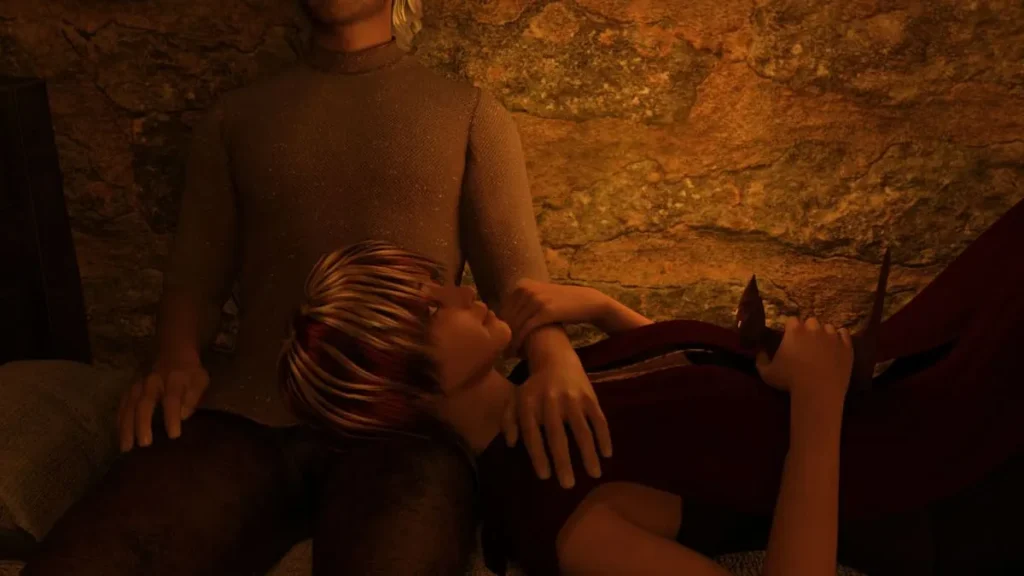

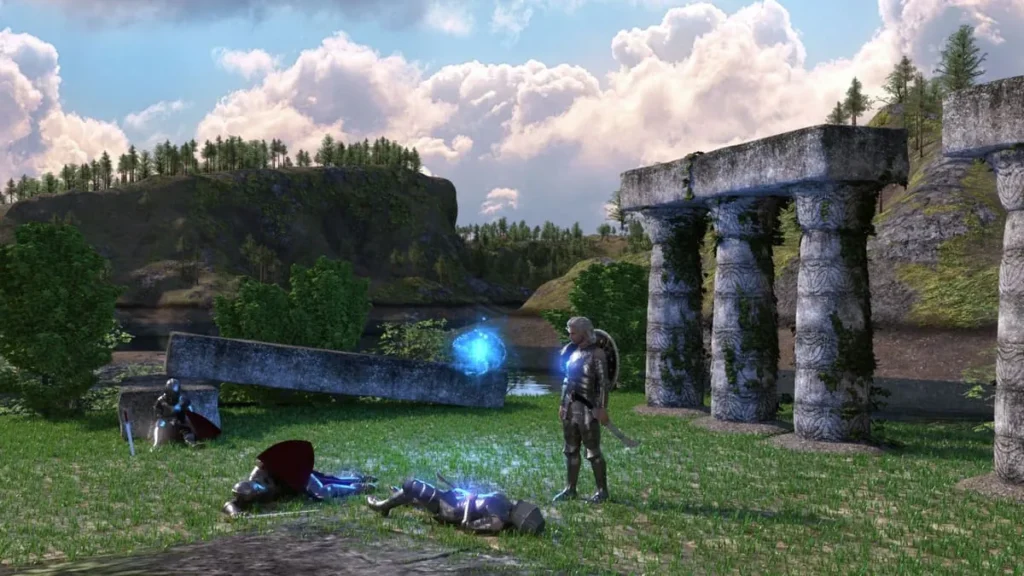
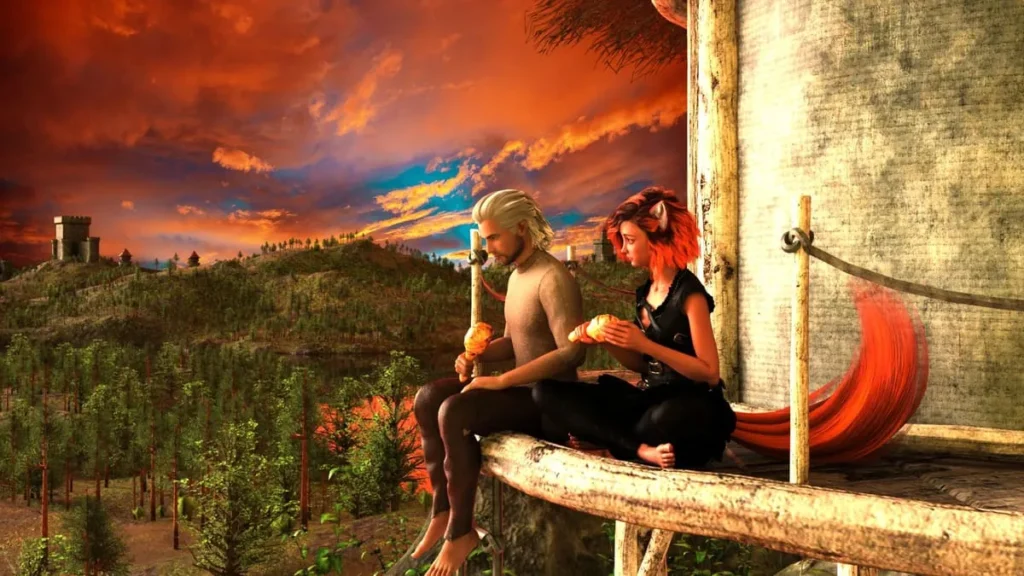
After the Inferno review
Explore storyline, characters, choices, and gameplay mechanics in this mature narrative experience
After the Inferno stands out as a mature visual novel that combines deep storytelling with player choice mechanics. This narrative-driven experience offers players an immersive journey through a richly developed world with multiple branching paths and character relationships. Whether you’re interested in the intricate plot, character development, or the game’s unique features, this guide provides everything you need to know about what makes this visual novel compelling. The game successfully balances engaging narrative content with meaningful player agency, creating an experience that appeals to those seeking substantial story depth alongside interactive gameplay elements.
Understanding After the Inferno: Story, Setting, and Core Gameplay
So, you’ve heard the buzz about this narrative-driven visual novel and you’re curious. Maybe a friend raved about it, or you saw a glowing review praising its deep, mature story. But what is After the Inferno really about, and is it for you? Let me pull up a chair and tell you about my first time booting it up. I was expecting a good story, sure, but what I got was a world that gripped me and refused to let go for dozens of hours. 🪑
If you’re the type of player who loves to get lost in a rich world, where every dialogue option feels weighted with consequence and every character has a history you can uncover, you’re in the right place. This isn’t just a story you read; it’s a story you shape. This guide is your first step into understanding how it all works.
What Is After the Inferno and Who Should Play It? 🎮
At its heart, After the Inferno is a visual novel with choices that places narrative depth and player agency above all else. Imagine a mature, beautifully illustrated graphic novel where you are the protagonist, and your decisions don’t just change a line of dialogue—they alter friendships, spark romances, and rewrite the fate of entire communities. The game is built for a specific kind of player: the thinker, the explorer, the empath.
You should play this game if:
* You crave stories with moral complexity and gray areas, not simple good vs. evil. 🤔
* You love talking about a game’s lore and characters long after you’ve put it down.
* You get a thrill from seeing “what if?” and immediately starting a new game to find out.
* You appreciate a slower, more deliberate pace that allows characters and settings to breathe.
This experience is less about quick reflexes and more about emotional and intellectual investment. It’s for players who want their choices to matter in a tangible, lasting way within the game’s world. Think of it as the interactive novel you’ve always wanted, where your personal curiosity is the primary driving force.
The Game’s Narrative Framework and World-Building 🌍
The world of After the Inferno is a character in itself. You step into a realm recovering from a cataclysmic event—the “Inferno” of the title—but this isn’t just a generic post-apocalyptic setting. It’s a world meticulously rebuilt with its own cultures, conflicting religions, political tensions, and geographies. I remember spending a good hour just clicking through the in-game codex early on, not because I had to, but because I was genuinely fascinated by the history of the regions and the gods people now worshipped.
The story unfolds from a grounded, personal perspective. You’re not an all-powerful hero from day one. You are someone navigating this fragile new reality, and the plot advances through your interactions, discoveries, and the relationships you build. The game masterfully uses its codex system to supplement your journey. As you encounter new locations, concepts, or delve into a companion’s past, entries unlock. This isn’t disposable filler; it’s essential, enriching context that makes the world feel lived-in and vast.
Tip: Don’t ignore the glowing icons that signal a new codex entry! These snippets of lore often contain crucial hints about character motivations or the true history behind current conflicts.
This approach to storytelling means the narrative has incredible longevity. A single playthrough will give you a profound, complete story, but it will be your version. The game is designed to be experienced multiple times. With each new game, armed with knowledge from the codex or a previous ending, you’ll notice foreshadowing you missed, understand a character’s cryptic comment, or feel empowered to pursue a completely different character relationship path.
The length of a single playthrough can vary wildly based on how much optional dialogue you explore and how many codex entries you hunt down, but expect a substantial, novel-length experience. This isn’t a game you finish in an afternoon; it’s a world you inhabit.
How Player Choices Shape Your Experience ⚖️
This is where After the Inferno truly shines and separates itself from more linear stories. The branching narrative gameplay here is some of the most respectful of player agency I’ve ever encountered. Early on, I faced a seemingly simple choice: comfort a grieving character or press them for strategic information. In a lesser game, this might lead to a slight dialogue variation. Here, it set me on a course that determined whether that character became a trusted confidant for the rest of my journey or a distant, resentful acquaintance.
Every significant interaction is built on this philosophy. Your visual novel story choices are logged, remembered, and referenced later. Characters will bring up your past decisions, changing how they speak to you. The game’s structure allows you to pursue multiple character relationship paths simultaneously and without artificial penalty. You aren’t forced into a “romance route” the moment you’re nice to someone; relationships evolve organically through a series of meaningful decisions, and you can maintain deep platonic bonds or complex rivalries just as easily.
The game achieves this through a few key systems:
- Hidden Values & Flags: Your choices influence hidden relationship meters and story flags. A choice in Chapter 2 might unlock a special, trusting conversation in Chapter 5 that would otherwise be inaccessible.
- The Save Slot Sanctuary: The game encourages experimentation. With multiple save slots, you can bravely make a choice, see its immediate impact, and then backtrack if you wish to try another approach. This isn’t “cheating”—it’s a tool to explore the narrative’s breadth.
- Optional Content as Core Content: Side conversations and exploratory dialogues aren’t just fluff. They are often where the most significant character development and lore revelations happen. Choosing to ask an extra question can unveil a character’s deepest fear or a vital piece of world history.
To visualize how these systems come together to create a dense, reactive experience, let’s break down the core features:
| Feature | Description & Player Impact |
|---|---|
| Story Depth & Lore | Driven by a full, unlockable codex detailing religions, locations, and histories. Your understanding of the world deepens with each playthrough, making every run feel new. |
| Choice Mechanics | Decisions are remembered and influence dialogue, character reactions, and plot branches much later in the story, creating a truly personalized narrative. |
| Character Relationships | Multiple, non-exclusive paths (romantic and platonic) evolve based on accumulated choices, not single “key” decisions. Relationships feel earned and organic. |
| Optional Content | Exploratory dialogue and side scenes are rich with character development and world-building, significantly adding to replay value and narrative immersion. |
This framework means your journey through After the Inferno is uniquely yours. My story of political reconciliation and a cautious romance is completely different from another player’s tale of ruthless pragmatism and lonely leadership. The game provides the tools, the fascinating world, and the compelling cast—you provide the will and the curiosity to see it through. 🔮
Frequently Asked Questions
How long does it take to finish After the Inferno for the first time?
A thorough first playthrough, where you engage with optional dialogues and read codex entries, can easily take 15-25 hours. Rushing through only main prompts will be shorter, but you’ll miss the depth that defines the experience.
Can I see all the content in one playthrough?
Absolutely not, and that’s the point! 💎 The branching narrative gameplay is designed so that making one meaningful choice often closes off another. Seeing every possible scene, ending, and relationship outcome requires multiple, dedicated playthroughs, which is where the game’s immense value lies.
Are choices timed, or can I think about them?
There are no timers on dialogue choices. You are free to ponder the moral, strategic, or personal implications of each decision for as long as you like. The pressure comes from narrative consequence, not a ticking clock.
Is there a “wrong” choice?
Not in a traditional game-over sense. There are choices that lead to conflict, sadness, or tension, but these are often just as narratively rich and valid as “positive” ones. The game respects your role as the author of your version of the story, for better or worse.
How does the game handle romance and relationships?
Relationships develop gradually through consistent choices. You are not locked into a path early on. You can build affinity with multiple characters, and the game allows for nuanced outcomes beyond simple “together” or “apart” endings.
Ultimately, After the Inferno is an invitation to lose yourself in a story you command. It’s a testament to the power of the visual novel with choices format when executed with ambition and respect for the player. This After the Inferno game guide is just the beginning. Your unique inferno awaits its storyteller. 🕯️
After the Inferno delivers a mature visual novel experience that prioritizes narrative depth and player agency. The game’s strength lies in its ability to weave engaging storytelling with meaningful choices that genuinely impact your journey. With its comprehensive codex system, multiple relationship paths, and optional content that never gates story progression, the game respects player preferences while maintaining narrative integrity. Whether you’re drawn to complex character development, branching storylines, or the freedom to shape your own narrative path, After the Inferno offers substantial content that rewards exploration and multiple playthroughs. For those seeking a visual novel that balances mature themes with genuine storytelling substance, this game provides a compelling experience worth experiencing.