Play All the Darkest Places
All the Darkest Places Screenshots
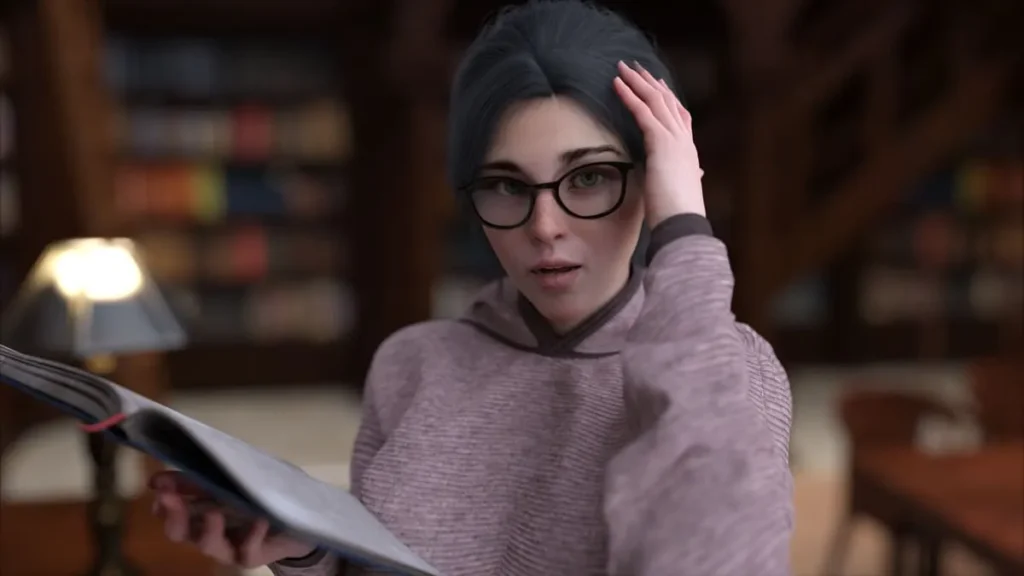





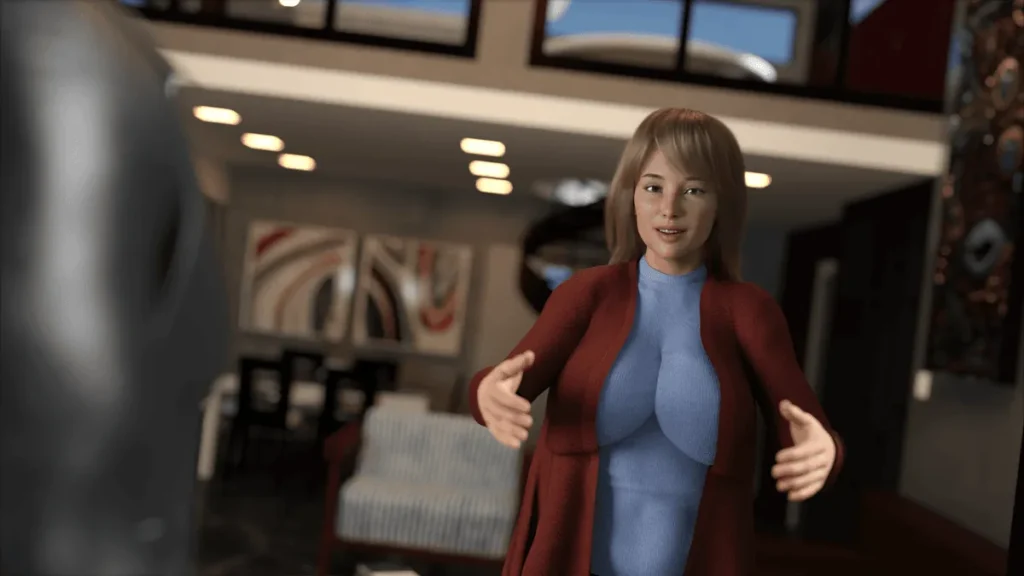




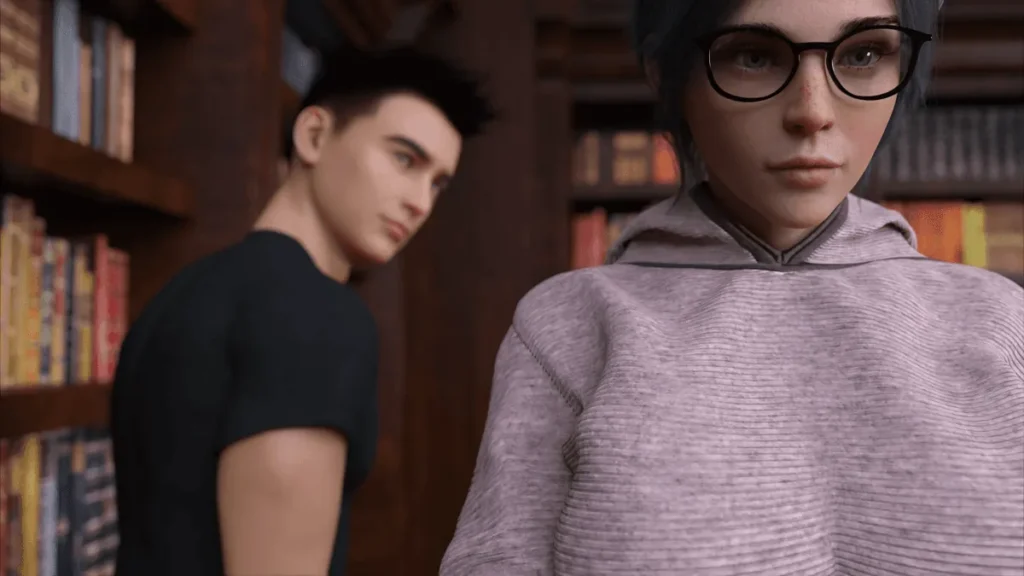





All the Darkest Places review
Dive into Identity Twists and Goddess Sagas in This Gripping Adult Adventure
Imagine stepping back into Japan as CJ, reuniting with childhood friends only to unravel a web of bodyjacking, personality splits, and divine schemes in All the Darkest Places. This adult game hooked me from the first identity shift, blending human drama with otherworldly twists that kept me up all night. If you’re exploring the darkest corners of interactive storytelling, this guide uncovers everything from goddess battles to thematic depths. Whether you’re a newbie or replaying for hidden endings, let’s navigate the identity chaos together and maximize your playthrough.
What Makes All the Darkest Places a Must-Play?
Ever stumbled into a game so completely by accident that it just… consumes you for a week? 😅 That was me with All the Darkest Places. I was just browsing, looking for something with a bit more narrative meat than your average title, when the description hooked me: an adult adventure centered on a CJ Japan reunion, tangled with friends from the past and a mind-bending look at the self. I hit download, thinking I’d play for an hour. Cut to 3 AM, my mind utterly scrambled, whispering “what just happened?” to my dark screen. This isn’t just another visual novel; it’s a psychological excavation tool dressed up as a game.
So, what is All the Darkest Places? At its heart, it’s a story about coming home and realizing home doesn’t recognize you—or worse, that you don’t recognize yourself. You play as CJ, an American returning to Japan after years away, only to get violently entangled with your childhood friends in a saga where perception literally reshapes reality. If you’re hunting for a profound identity shifts game, you’ve hit the jackpot. Let’s dive into why this experience sticks with you long after the credits roll.
Unpacking the Core Story and CJ’s Journey
The game plot summary sounds straightforward on the surface: CJ returns, reunites with four childhood friends, and strange, supernatural events begin to unfold. But “strange” is an understatement. The core of the All the Darkest Places game is its revolutionary bodyjacking mechanics. I remember the moment the first bodyjack hit—it flipped everything. 💥 One second you’re seeing the world through CJ’s eyes, the next you’re violently shoved into the perspective of another character, seeing CJ from the outside, learning their secret thoughts about him, and often, controlling their actions against him.
This isn’t a simple possession gimmick. It’s the engine for the entire childhood friends storyline. Each of the four main parts of the game is dominated by one of these friends, each linked to a powerful goddess archetype that warps reality around their traumas and desires:
| Part | Goddess Archetype | Core Conflict |
|---|---|---|
| One | The Purple Psychopath | Raw, chaotic emotion and obsession shattering polite facades. |
| Two | The Yellow Chessmaster | A chilling arranged marriage plot where people are pawns in a societal game. |
| Three | Motherhood Gone Wrong | Explores creation, protection, and suffocating control taken to a terrifying extreme. |
| Four | The Elaborate Finale | Everything converges in a metaphysical climax about choice and the core self. |
Your journey through this is messy, personal, and often heartbreaking. The CJ Japan reunion is less a happy homecoming and more a trigger for a series of existential bombs. The game forces you to ask: If everyone who knows you has a completely different version of you in their head, which one is real? Can they all be real? This gimmick had me questioning reality.
Why Identity Themes Hit So Hard?
While the goddess sagas provide the epic scale, the true genius of this identity shifts game is in the intimate, personal mechanics. The game proposes that identity isn’t fixed; it’s a consensus, a bundle of perceptions that can be split, merged, and even willed into independent existence. Here are the top 5 identity gimmicks that wrecked my brain:
- Perceptual Bodyjacking: The cornerstone. You don’t just learn about other characters; you become them, often to your horror. This mechanic forces empathy and complicity in a way simple dialogue never could.
- Personality Splitting: CJ isn’t a monolith. Through trauma and these supernatural events, facets of his personality can splinter off. Managing these fragments—or choosing to reintegrate them—becomes a key part of the narrative.
- Consensual Merging: Sometimes, two consciousnesses don’t fight for control—they blend. These moments are hauntingly beautiful and tragic, creating entirely new, temporary personas with memories of both.
- Tulpas & Thought-Forms: This is where it gets meta. A belief or a perceived identity can gain its own will and physical form. That version of you that your friend loves, or fears, could literally walk into the room.
- The Echo of Childhood: The childhood friends storyline isn’t just backstory. Those childhood perceptions of CJ are powerful, dormant templates that the goddess magic actively resurrects and tries to force the present-day CJ into.
The game’s central thesis is that we are, in many ways, who others think we are. This dismantles the idea of a singular, true self and replaces it with a terrifying, exhilarating plurality.
First Impressions: My Personal Playthrough Story
I went in mostly blind, and I urge you to do the same. My practical advice? Save often, and in multiple slots. 🗂️ This isn’t a game with simple “good or bad” choices; it’s a labyrinth of perspectives. A choice that feels right for CJ-in-your-head might be catastrophic for the CJ that exists in another character’s mind. The early clues are subtle—pay close attention to inconsistencies in what characters say about past events. The first time a friend casually referenced a childhood memory that I (as the player) had no access to, I felt a genuine chill. The game was telling me that CJ’s history wasn’t mine to know. It belonged to the group.
The moment that solidified this as a masterpiece for me was during Part Two, the Yellow Chessmaster’s arc. I was fumbling through a tense conversation, trying to be clever, when I was suddenly bodyjacked into the other participant. I saw my own character, CJ, from across the room, and a text box appeared with their private, ruthless analysis of his moves.
“He thinks he’s playing the game. He doesn’t see he’s already a piece on my board.”
That line froze me. It wasn’t just a cool quote; it was the game plot summary in a single thought. I was simultaneously the player, the protagonist, and a pawn being observed by the character I was inhabiting. The layers of identity and manipulation were absolute genius.
If you’re wondering what is All the Darkest Places at its core, it’s this: a relentless, beautifully uncomfortable experiment on the self. It uses its adult themes not for shock, but for deep, philosophical digging. The All the Darkest Places game challenges you to lose your footing, to question every memory and motive, and to wonder if coming together with your past requires first completely falling apart.
And trust me, this is just the story. How you actually navigate this psychological minefield, with its sanity meters, relationship webs, and merge-or-resist prompts, is a whole other guide. The mechanics are the scalpel that makes this profound dissection possible.
All the Darkest Places masterfully weaves identity exploration with gripping goddess arcs, from Purple’s deadly pursuits to the finale’s wild imagination, making every playthrough a mind-bending ride. My time with CJ’s saga taught me how games can redefine self through clever twists and drama. If you haven’t dived in, grab it now, experiment with power grants in battles, and chase those alternate endings. Share your wildest identity shift moments in the comments—what goddess arc surprised you most? Let’s keep the conversation going and uncover more hidden depths together.