Demons of the Hearth
Play Demons of the Hearth
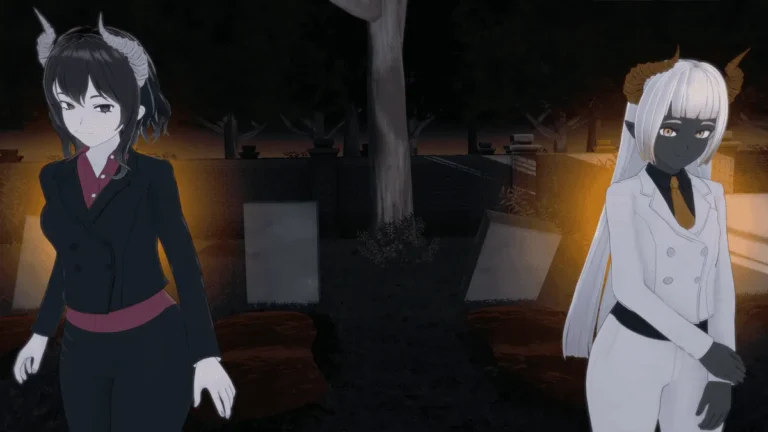
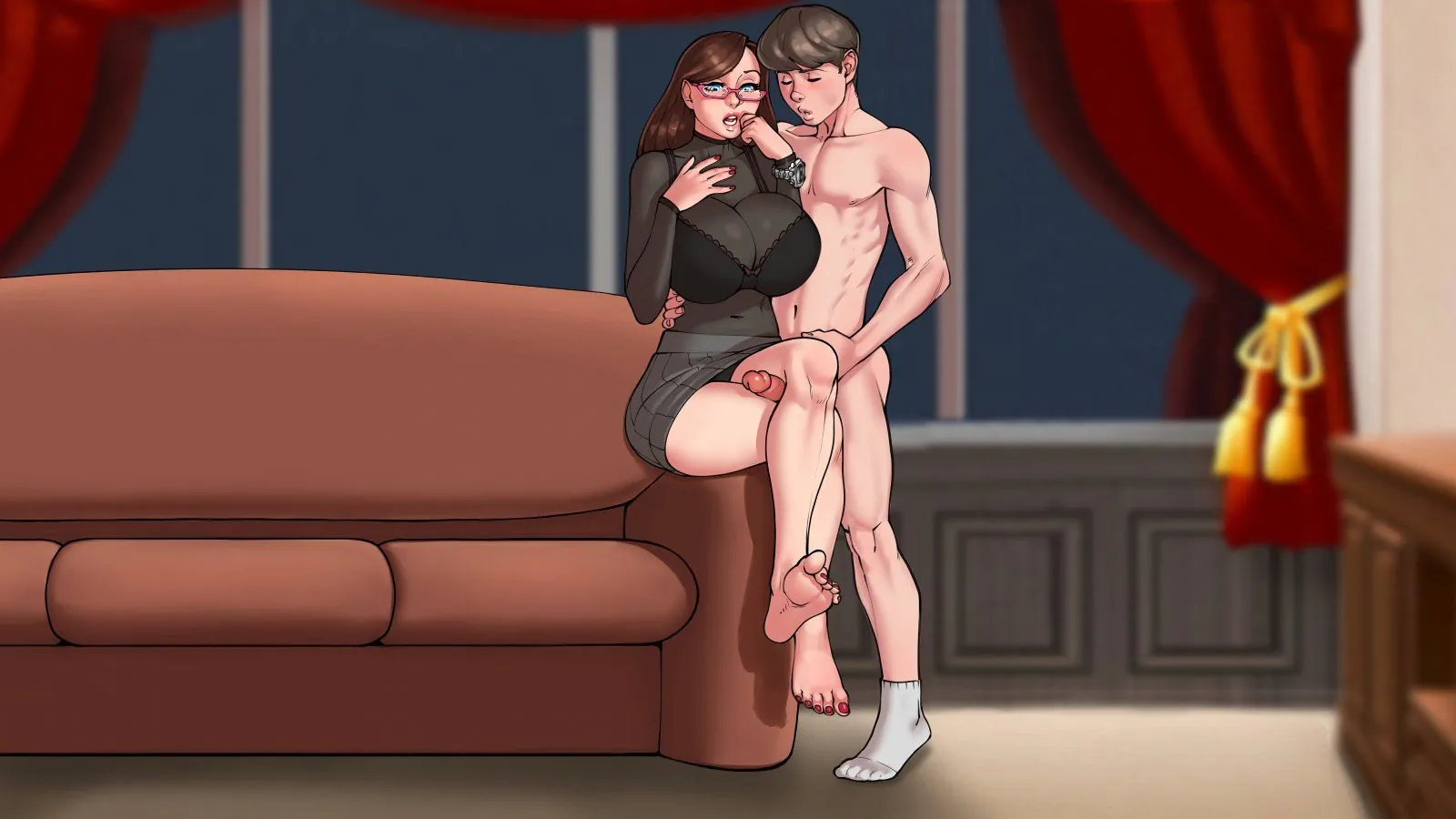
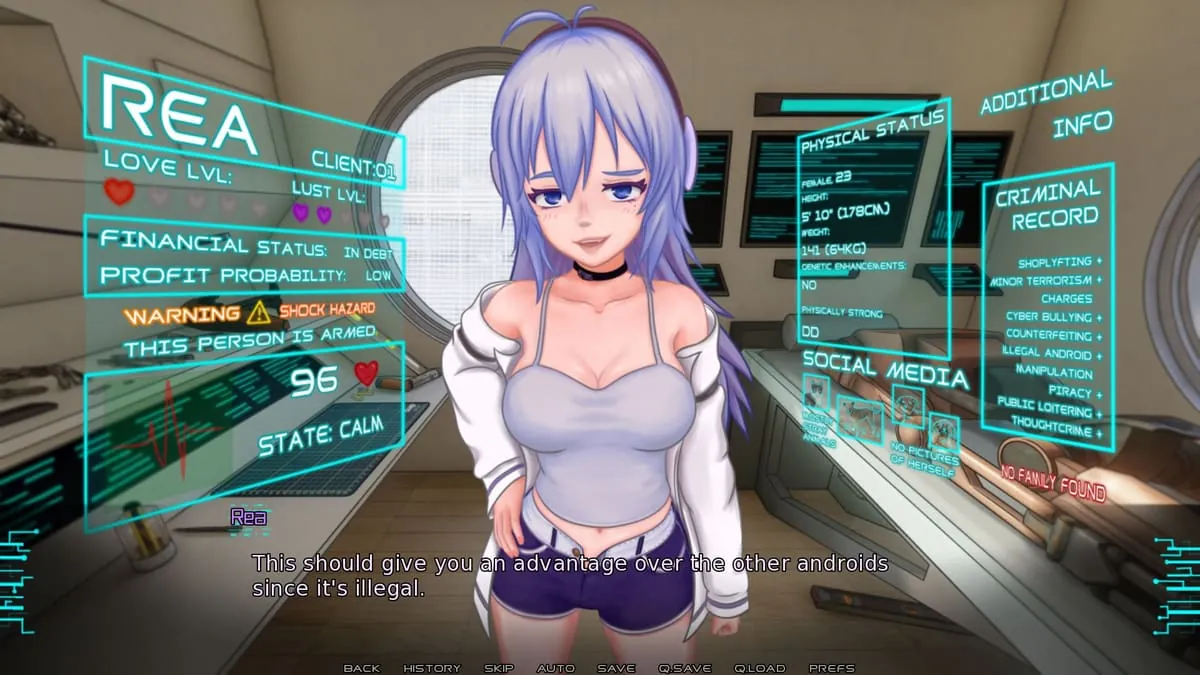
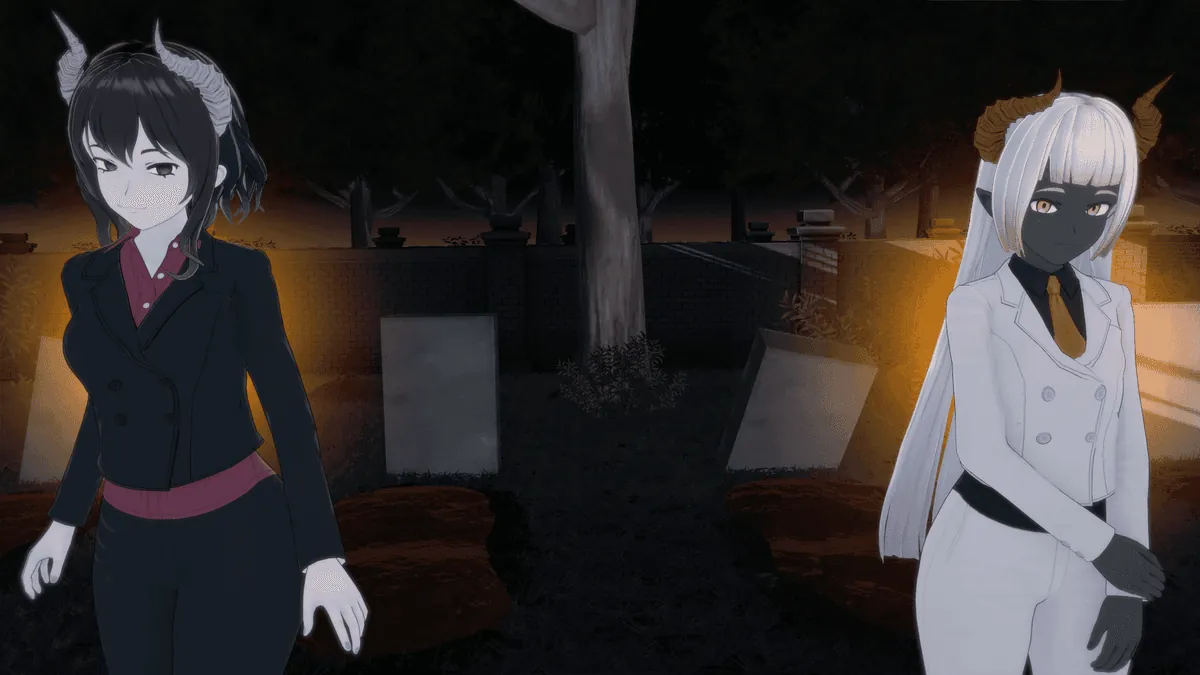
Demons of the Hearth Screenshots
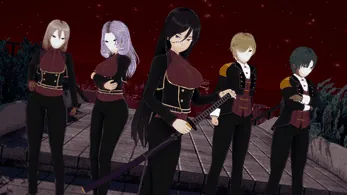
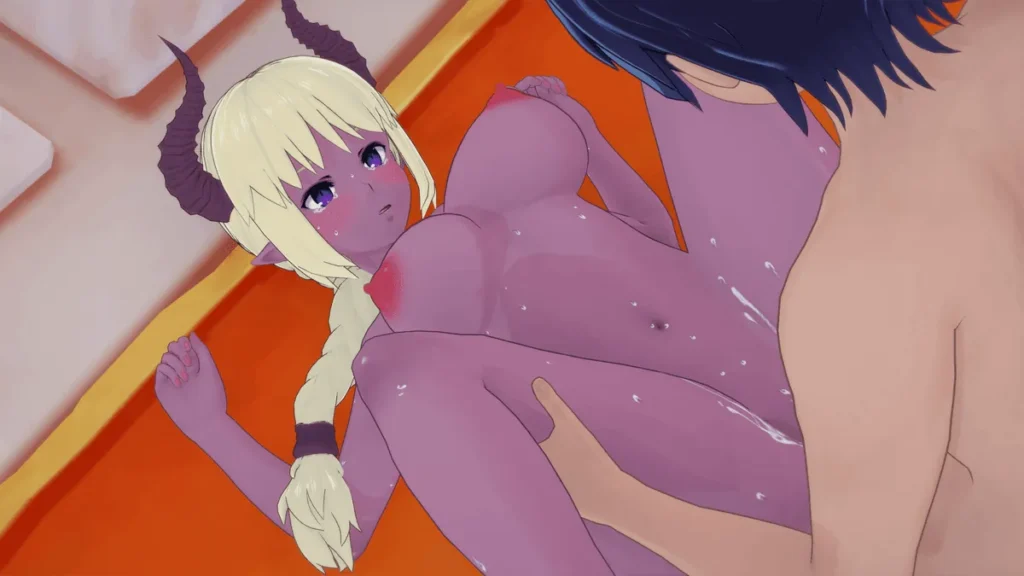
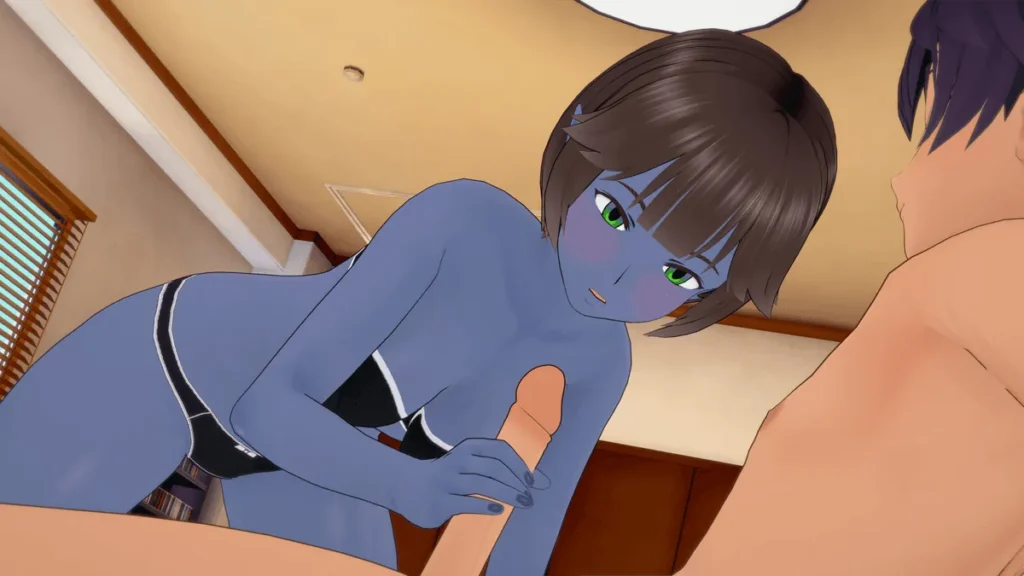
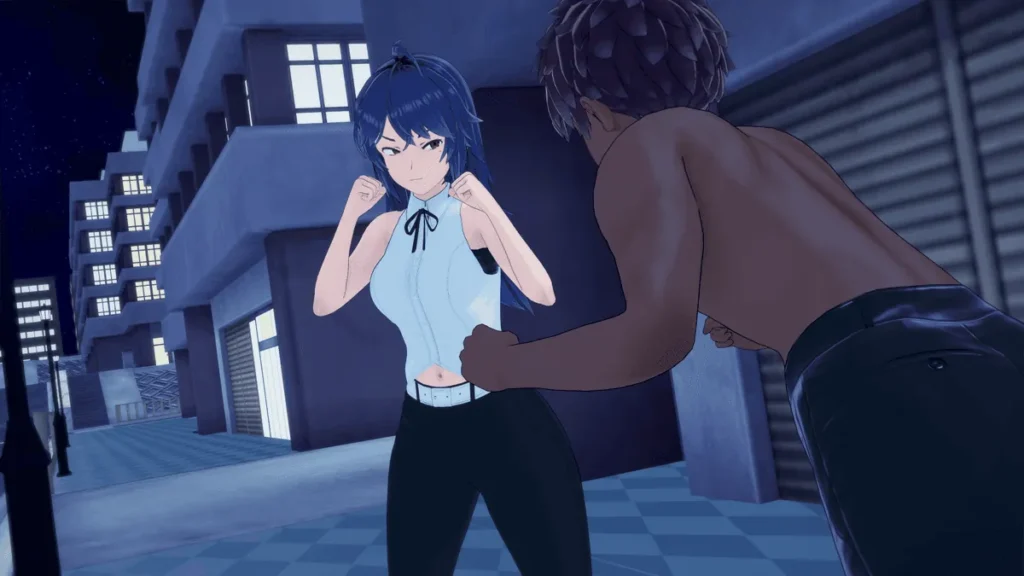
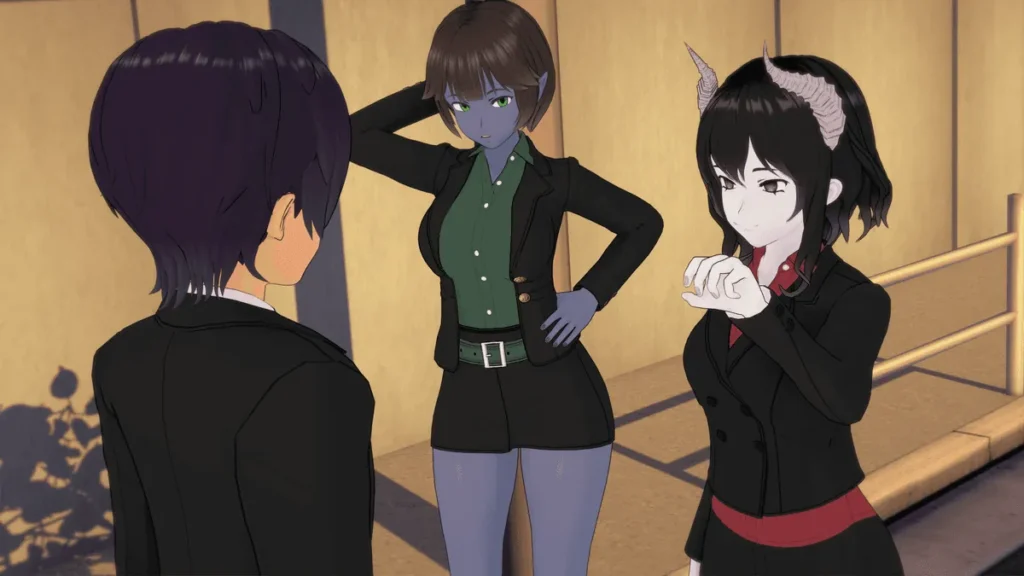
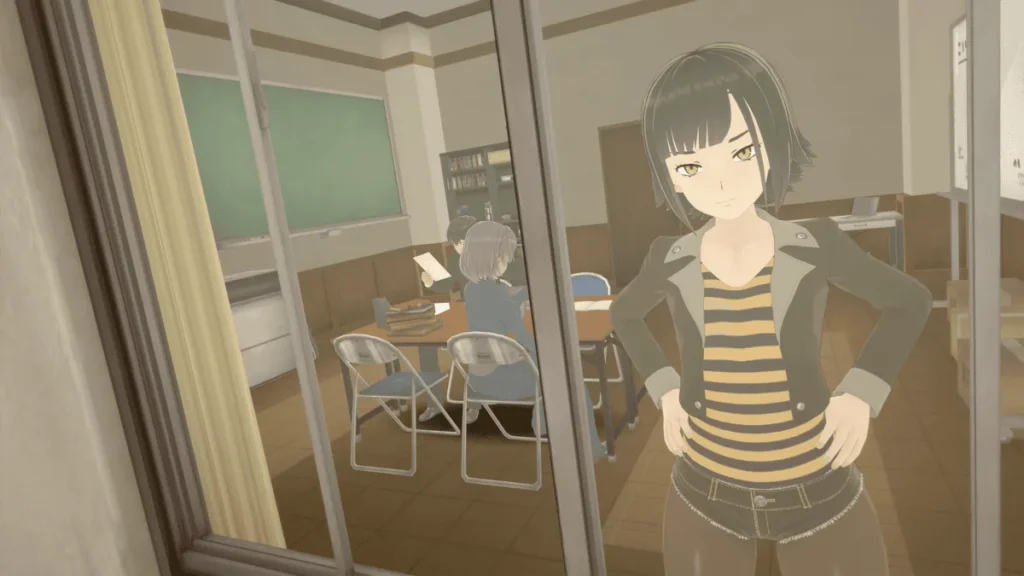
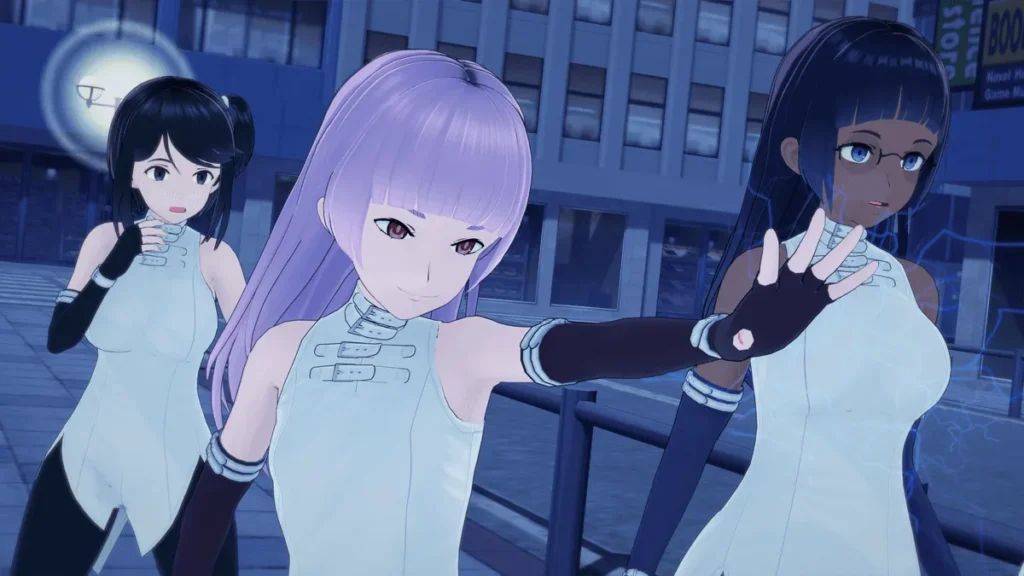
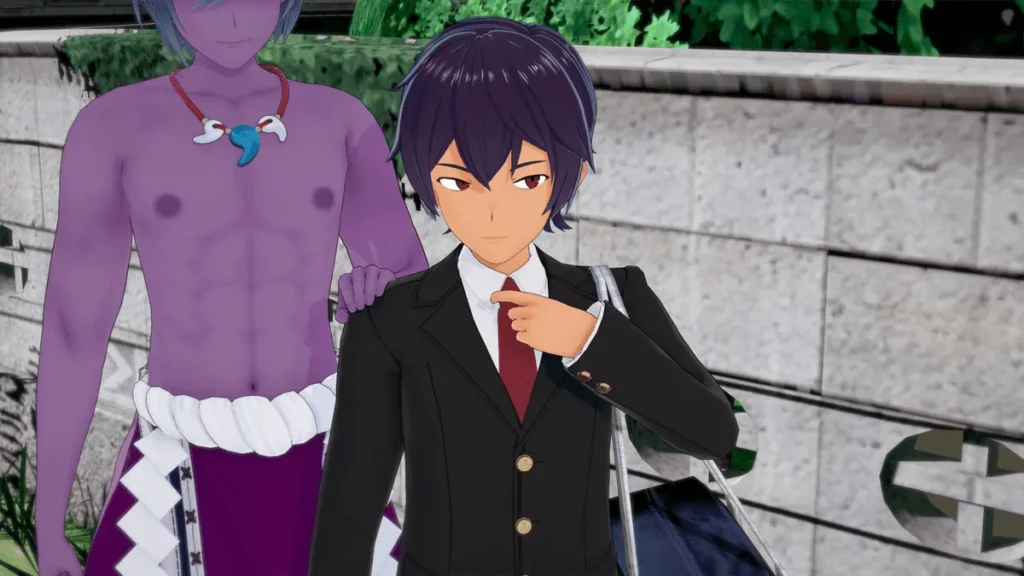
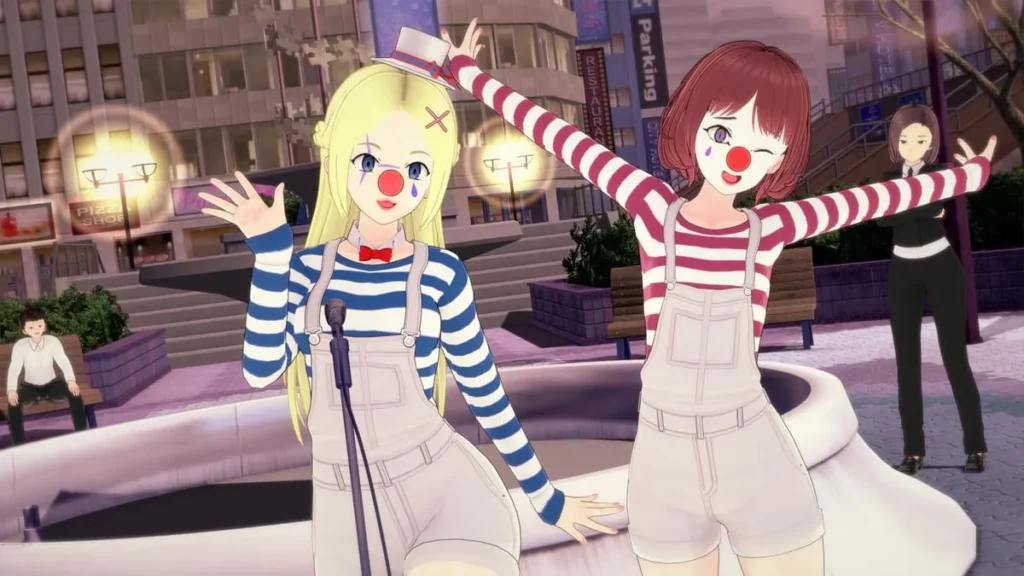
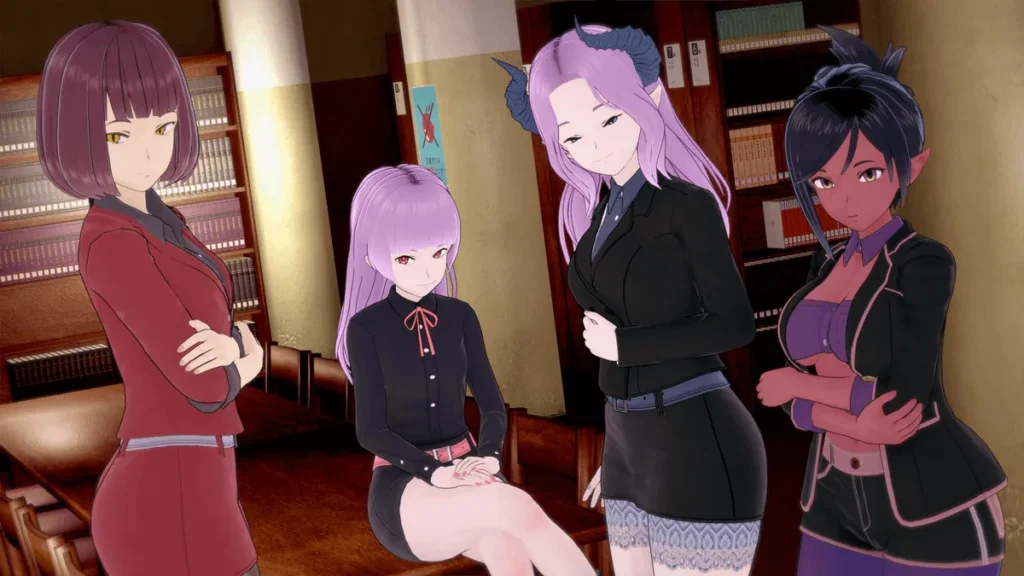
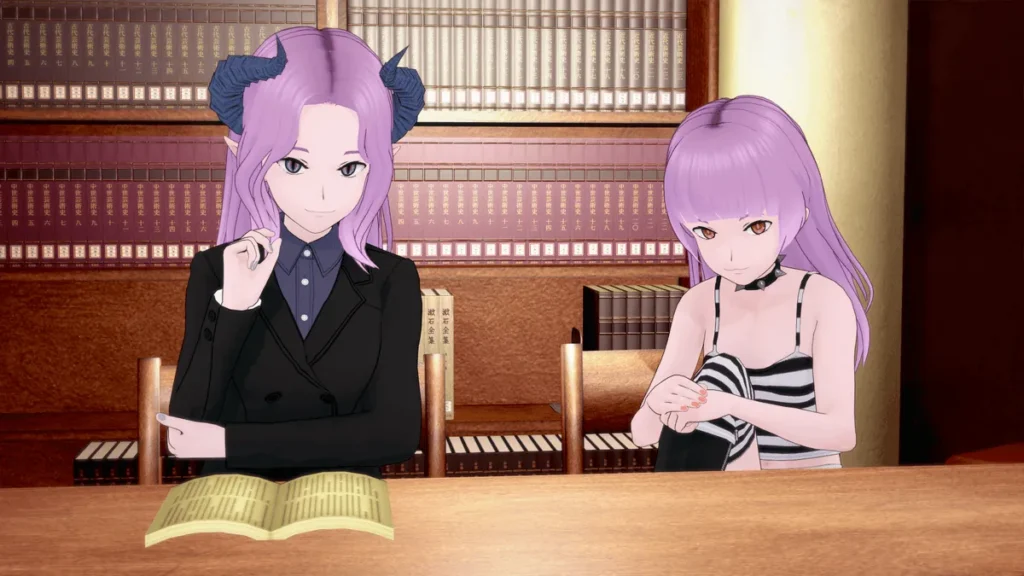
Demons of the Hearth review
Exploring the storytelling, characters, and gameplay that make this adult visual novel stand out
Demons of the Hearth has emerged as one of the most compelling adult visual novels in recent years, garnering praise from players who appreciate its exceptional storytelling and character development. Unlike many titles in the genre that prioritize explicit content over narrative depth, this game strikes a remarkable balance between engaging plot progression and meaningful character interactions. The game has built a dedicated community of fans who consistently highlight its gripping narrative, atmospheric world-building, and the emotional investment it creates. Whether you’re new to visual novels or a seasoned player, understanding what makes Demons of the Hearth special can help you appreciate its unique approach to interactive storytelling.
What Makes Demons of the Hearth Stand Out in the Visual Novel Genre
If you’ve spent any time in the world of character-driven narrative games, you’ve likely seen a pattern. Many promise deep stories and meaningful connections, but too often, they rely on repetitive mechanics that can pull you right out of the experience. You might find yourself thinking, “I just want to know what happens next, not grind for affection points.” That’s the exact wall I hit—until I played Demons of the Hearth.
This isn’t just another title on a list of adult visual novel recommendations. It’s a profound exploration of grief, guilt, and the fragile process of rebuilding a life. What makes the Demons of the Hearth visual novel so remarkable is its unwavering commitment to letting its story breathe, using its gameplay not as a distraction, but as a vital tool for immersion. It stands tall among the best visual novels with deep story precisely because it understands that in a tale about people, the mechanics should be about people, too. Let’s unpack what makes this experience so special.
The Narrative Excellence That Captivates Players 🎭
From the very first scene, Demons of the Hearth establishes a mood that is both haunting and intimate. You step into the worn-out shoes of Leo, a man returning to his estranged family home years after a tragic fire claimed his mother’s life. The air is thick with unresolved pain, and the “demons” of the title are as much the specters of memory and regret as they are the supernatural entities Leo begins to encounter.
The visual novel storytelling here is masterful in its pacing and depth. This isn’t a story told in constant, high-octane bursts. It understands the power of quiet moments—the creak of a floorboard in an empty hall, the weight of silence during a shared meal, the flicker of doubt in a character’s eyes. The narrative expertly transitions from these slower, reflective periods into sequences of tense investigation and emotional revelation, creating a rhythm that feels authentically human. It’s this careful pacing that transitions from interactive gameplay to cinematic storytelling that keeps you utterly glued to the screen. You’re not just reading a story; you’re living through its ebbs and flows.
What truly sets the narrative apart is its emotional honesty. The game doesn’t shy away from the messy, complicated feelings of its cast. Leo’s journey isn’t a simple path from sadness to happiness. It’s a tangled web of anger, vulnerability, moments of dark humor, and hesitant hope. This commitment to emotional complexity is what keeps players emotionally invested and on the edge of their seats. You’re not just waiting to see what happens; you’re deeply concerned about how these characters you’ve come to care about will weather the coming storm.
“I finished my first playthrough at 3 AM, and I just sat there in the dark for ten minutes. I wasn’t crying, but I felt… profoundly shaken. The choices I made for Leo felt like my choices, and the consequences felt earned. I haven’t been this attached to fictional characters in years. It’s more than a game; it’s an experience that sticks with you.” – A player’s testimonial on community forums.
This feedback isn’t unusual. It speaks to the core strength of the Demons of the Hearth visual novel: its ability to make you feel like an active participant in a literary-grade drama. The story is the undisputed star, and every other element of the game is meticulously designed to serve it.
Character Development and Relationship Building 🤝
In many narrative games, building relationships feels like a transaction. Bring the right gift, say the right compliment from a guide, watch a meter fill up. Demons of the Hearth throws that entire playbook out the window. Here, connection is built through trust-building mechanics rather than stat grinding, and it’s nothing short of revolutionary.
Take Leo’s relationships with the three key women in the story: his stern older sister Cassandra, the enigmatic and troubled medium Anya, and the fiercely loyal family friend Mary. You don’t “increase your relationship points” with them. Instead, you build bonds through consistent, meaningful interaction. This is where the game’s choice-based gameplay mechanics shine in the context of character. Every dialogue choice, every decision to share a personal memory or to hold back, every small gesture shapes how these characters perceive Leo—and, crucially, how they choose to open up to him.
For example, early on, Cassandra might make a sharp comment about the past. You can choose to retaliate with Leo’s own pent-up frustration, or you can try to deflect with humor, or you can simply acknowledge the pain behind her words. None of these choices are tagged as “Cassandra +5.” Instead, they subtly alter the context of future interactions. Choose defensiveness, and conversations may remain tense and formal. Choose empathy, and you might unlock a rare moment where her guard drops, revealing a glimpse of the worried sister beneath the stern exterior.
This approach creates interactive fiction with meaningful choices that resonate because they feel real. You’re not optimizing for an outcome; you’re role-playing a man trying to navigate fractured relationships. The characters remember your attitude, your tendencies, and your past actions. Anya, sensitive to emotional energy, will react very differently to a Leo who is consistently closed off versus one who shows vulnerability. Mary’s supportive nature might harden into protective distance if she feels Leo is being reckless or dishonest.
The brilliance lies in the hidden depth. The game tracks these nuances through a system where player decisions shape the main character’s personality through hidden stats. Is Leo becoming more Compassionate or Cynical? More Reckless or Cautious? More Open or Secretive? You won’t see these meters, but the characters will react to their aggregate result. This invisible development makes every playthrough deeply personal. Your Leo is unique, and the relationships he forges are a direct reflection of the personality you’ve guided him to embody.
Gameplay Mechanics and Player Choice Systems ⚙️
So, how does the game balance narrative progression with interactive elements without breaking its story-first spell? It does so by weaving its mechanics so tightly into the fabric of the narrative that they become indistinguishable from the act of storytelling itself.
The core loop is a beautiful synthesis of exploration, decision-making, and conversation. Your days in the old house are structured, giving you a sense of time passing—a crucial element for a story about gradual healing and investigation. You’ll spend time exploring the mansion, uncovering clues about the past fire and the strange occurrences in the present. This is more than just clicking highlights; it’s about observing your environment, drawing conclusions, and deciding which threads to pull on.
The much-talked-about sandbox mode is where this integration becomes genius. It’s not a separate, arcade-style distraction. Instead, it’s a fluid part of the main story. When supernatural activity spikes, the game seamlessly transitions into this mode. You must navigate the house, using items and knowledge you’ve gathered to protect yourself or aid the spirits. The way it integrates with the main story progression is flawless. Success or failure here doesn’t lead to a generic “Game Over” screen. It leads to direct narrative consequences—altering character states, unlocking or closing off story paths, and changing the emotional tone of what follows. A failed encounter might leave Anya injured and distrustful, adding a new layer of tension to the plot.
This brings us back to the choice-based gameplay mechanics. Every significant choice, from a major moral dilemma to a seemingly minor conversational tone, feeds into the game’s hidden personality system for Leo. The game doesn’t judge you for these choices with “good” or “bad” endings in a simplistic sense. Instead, it asks, “What kind of man is Leo becoming through this crisis?” and then delivers an ending that feels like the organic conclusion to that specific journey. Did your cautious, compassionate Leo find a path to peaceful resolution? Did your reckless, cynical Leo create a different, perhaps more tragic, form of closure? The game respects your agency and makes your choices matter on a thematic level, not just a plot-checklist level.
This is the hallmark of interactive fiction with meaningful choices. The gameplay exists to deepen your investment in the narrative and your connection to the characters. Whether you’re carefully managing your time and resources, engaging in the tense sandbox sequences, or weighing a difficult dialogue option, you are always in service of the story. Demons of the Hearth proves, without a doubt, that the most compelling gameplay in a visual novel is the gameplay of being human—of making tough calls, living with the consequences, and trying to connect with others despite the ghosts we all carry.
In a landscape filled with games that often separate “story time” from “gameplay time,” Demons of the Hearth stands as a shining example of perfect harmony. It is, without question, a story-first experience where gameplay serves the narrative. It’s a must-play for anyone seeking a mature, emotionally resonant, and intelligently designed experience, and it secures its place at the very top of any thoughtful list of adult visual novel recommendations and the best visual novels with deep story.
| Aspect | Typical Visual Novel Approach | Demons of the Hearth’s Approach |
|---|---|---|
| Story Focus | Often compartmentalized; segments of pure reading alternating with gameplay loops. | Fully integrated; gameplay (exploration, sandbox sequences) is a direct, seamless extension of the narrative. |
| Character Development | Frequently driven by visible meters (affection, trust) filled through repetitive actions or “correct” dialogue picks. | Driven by consistent role-playing and hidden personality stats. Relationships evolve naturally based on the cumulative impression you make. |
| Gameplay Emphasis | Can feel like a separate minigame or a stat-management challenge that interrupts the story. | Every interactive element exists to enhance immersion and create narrative consequences. The sandbox mode is a story event, not a diversion. |
| Player Choice | Often binary (good/evil) or leads to clearly flagged branching paths. | Subtle, shaping the protagonist’s core personality over time, leading to thematically consistent endings that feel earned. |
| Pacing & Tone | Can be uneven, with tonal shifts between story and mechanics. | Carefully controlled rhythm that balances quiet character moments with tense interaction, all maintaining a consistent, atmospheric tone. |
Demons of the Hearth represents a refreshing approach to adult visual novels by prioritizing compelling storytelling, authentic character development, and meaningful player agency. The game proves that adult-oriented interactive fiction can deliver sophisticated narratives that create genuine emotional connections with players. From its intricate character writing to its trust-based relationship mechanics, every element serves the overarching story. Players consistently praise the game for making them care deeply about the characters and their fates, creating an experience that lingers long after completion. If you’re seeking a visual novel that respects your intelligence and emotional investment, Demons of the Hearth deserves a place on your playlist. Discover for yourself why this title has become a standout in the visual novel community.