Homelander
Play Homelander
Homelander Screenshots





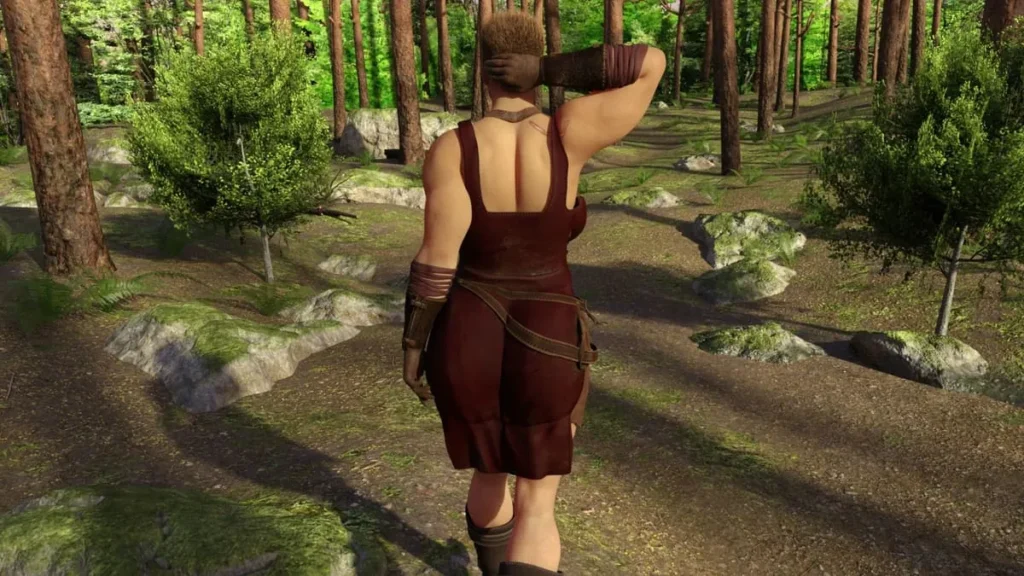
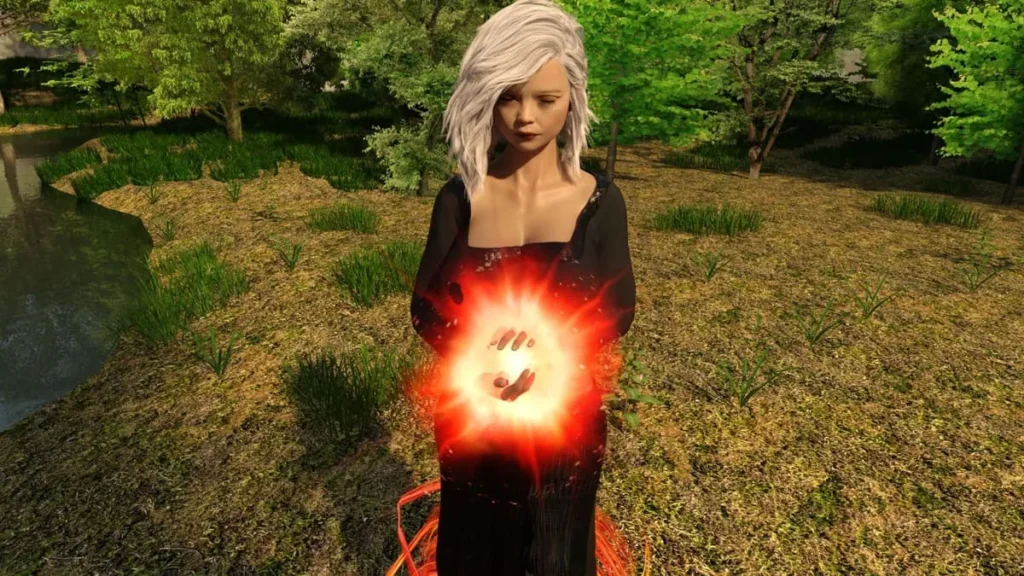

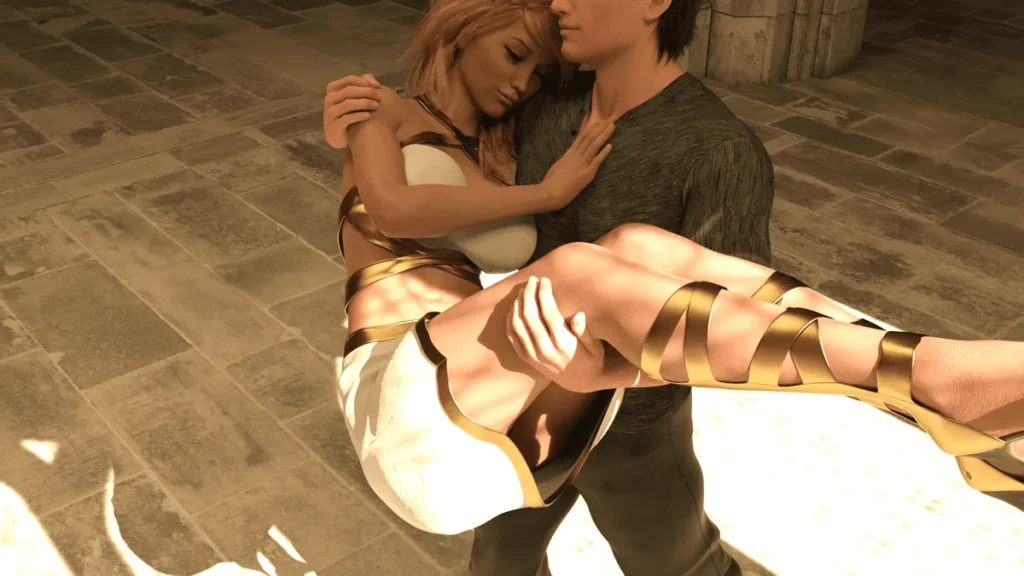
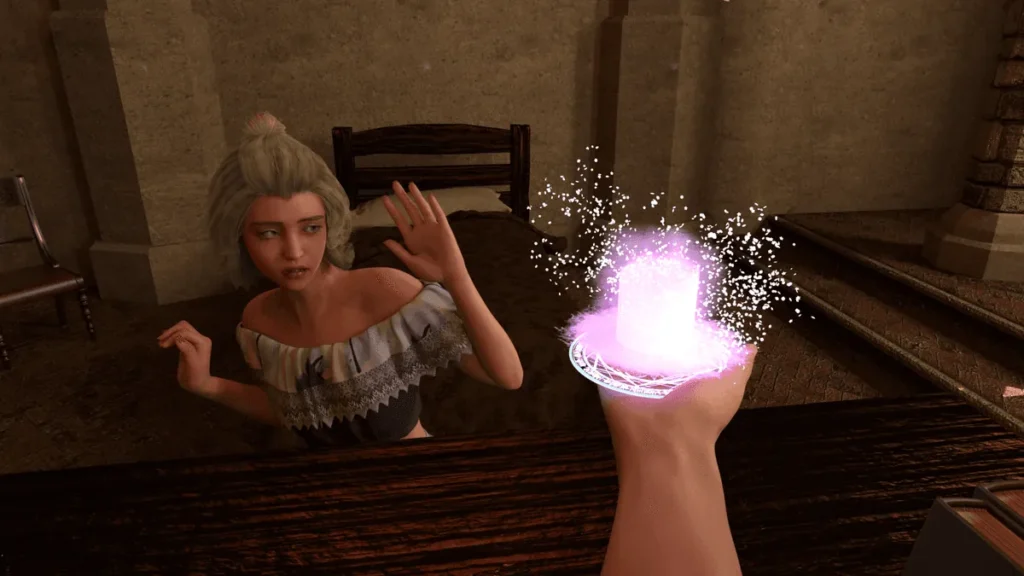

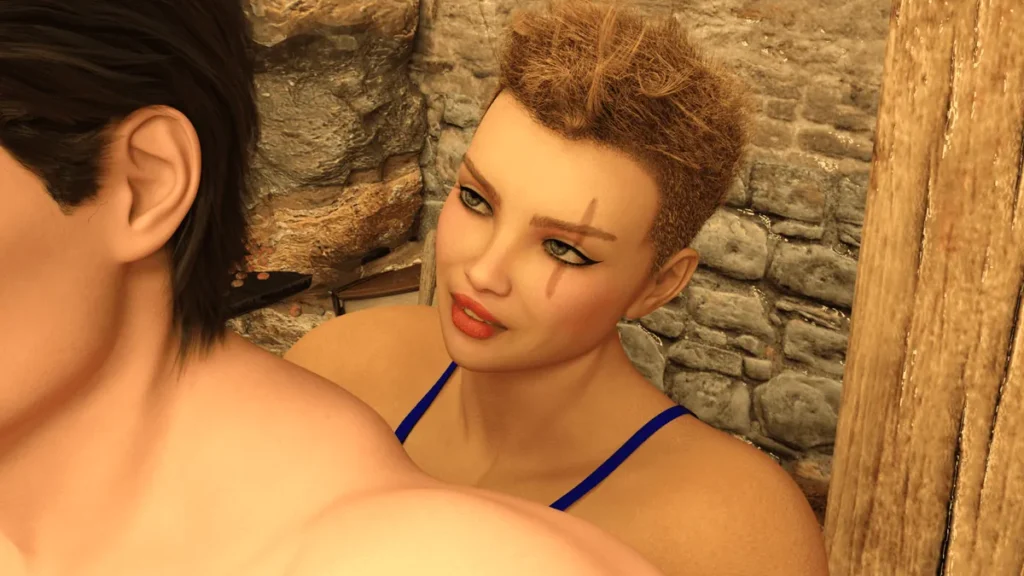
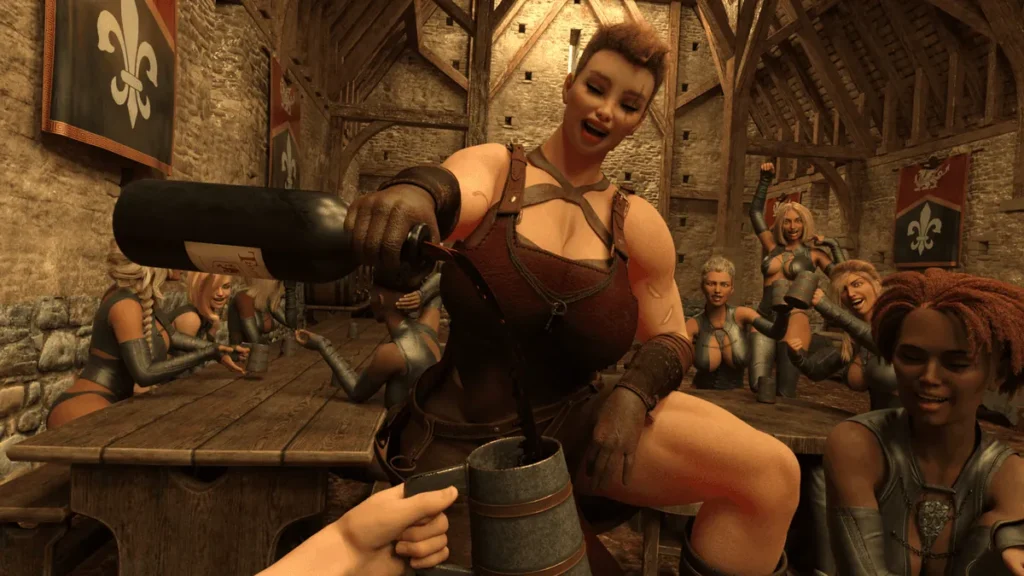
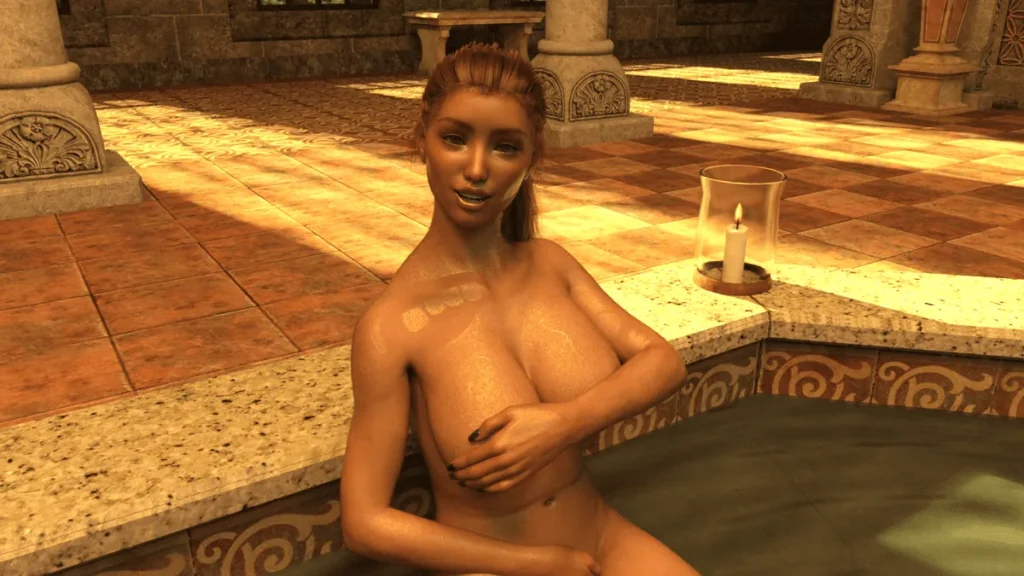
Homelander review
Explore gameplay mechanics, story choices, and character relationships in this fantasy adventure
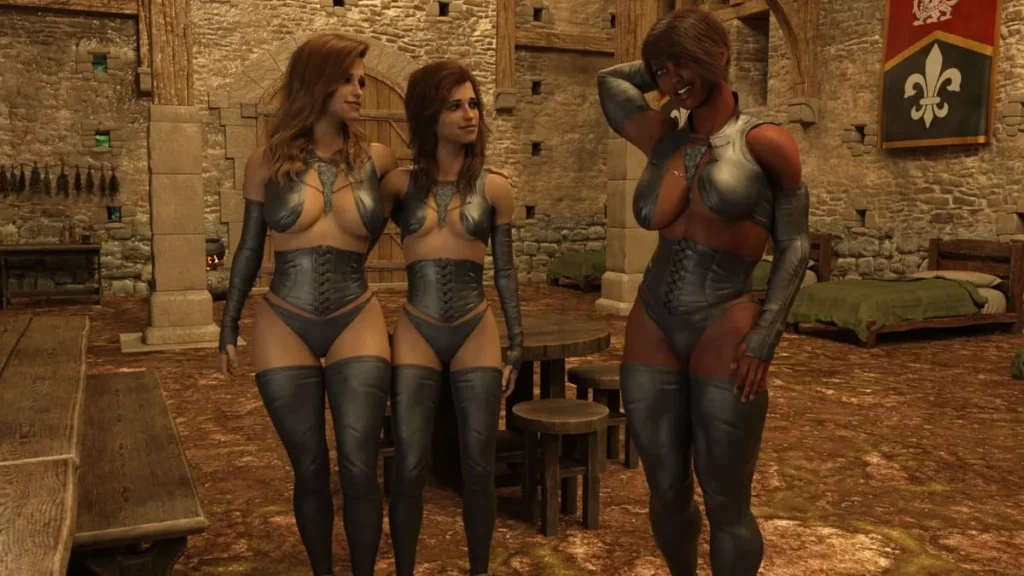
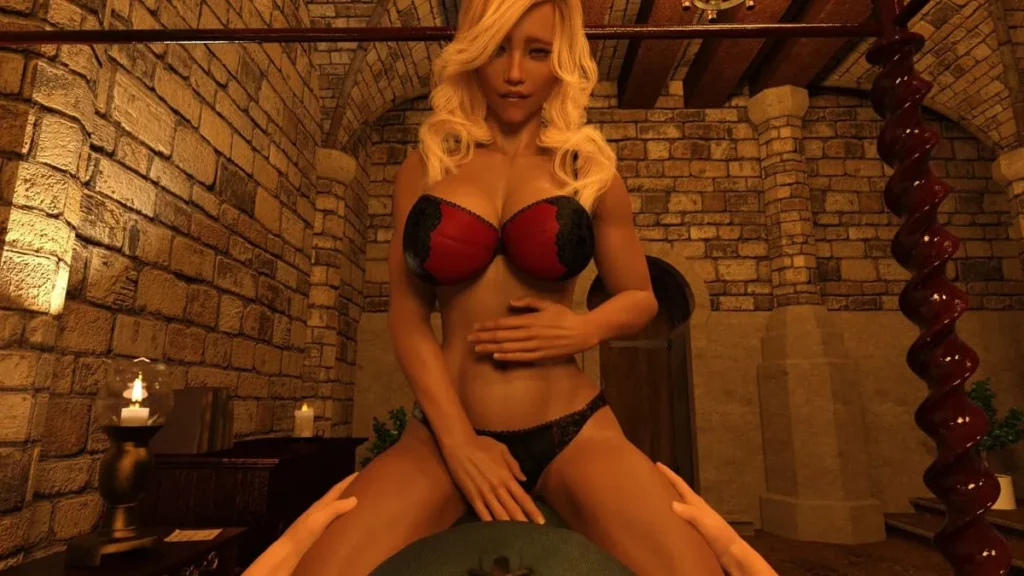
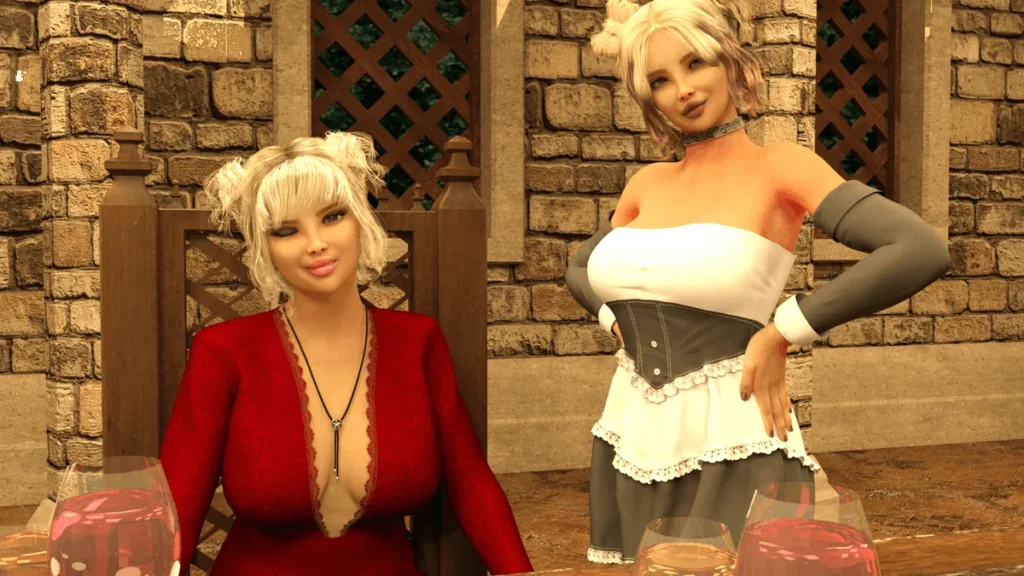
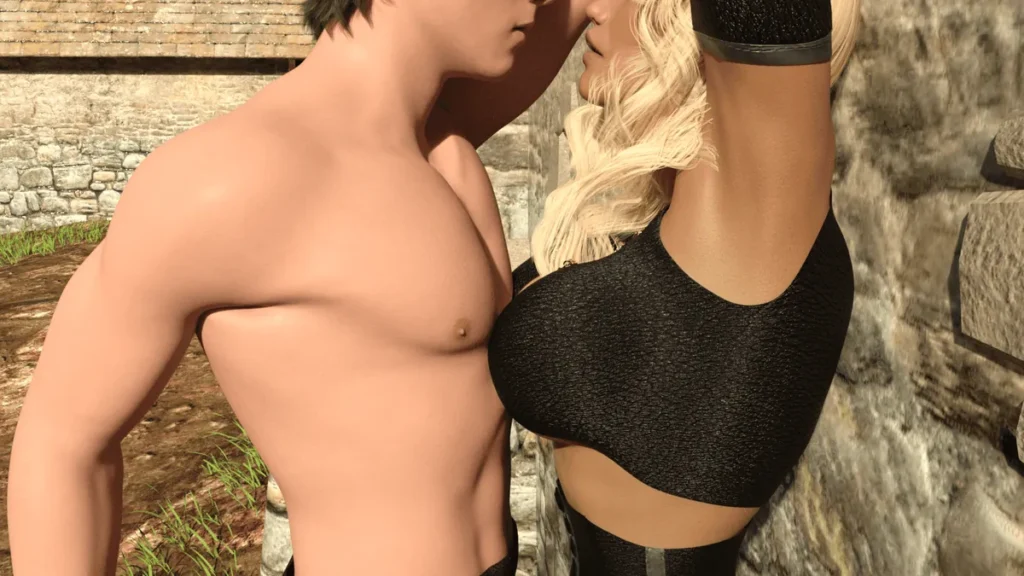
Homelander is an adult fantasy visual novel that immerses players in a richly detailed world where your choices genuinely matter. Developed by JabbonkGames, this interactive adventure follows a young protagonist who lost his family and discovers his destiny after saving a mysterious woman’s life. The game combines engaging storytelling with relationship-building mechanics, allowing players to form connections with diverse characters across a strange medieval-inspired realm. Whether you’re drawn to the branching narrative paths, magical abilities, or character-driven gameplay, understanding the core mechanics and features will enhance your overall experience.
Gameplay Mechanics and Core Features
Ever clicked through a story, only to realize your choices were just fancy window dressing? 🙄 I remember playing a “choice-based” game years ago where I spent an hour agonizing over a moral decision, only for the story to railroad me back to the same plot point five minutes later. I was so frustrated! That’s why diving into Homelander visual novel gameplay was such a breath of fresh air. This isn’t a game where you just pick a love interest or a magic element and coast. Every dialogue option, every gesture, every moment of hesitation is a brick in the path you’re building. Welcome to the real deal in choice-driven narrative game mechanics.
In Homelander, you aren’t just reading a fantasy tale—you’re living it, shaping it, and, yes, sometimes stumbling through its consequences. 🏰 This guide will break down everything you need to master the Homelander game: from the subtle art of conversation to the roaring power of ancient magic. Whether you’re here for the deep character romance and relationships or the thrilling fantasy adventure game choices, understanding the core mechanics is your first step to crafting a legendary story.
How Choice-Driven Gameplay Works in Homelander
Forget the illusion of choice. Homelander operates on a philosophy of meaningful consequence. Your decisions here are less about picking “Good, Evil, or Sarcastic” and more about defining your protagonist’s core personality, which then ripples outward to touch every aspect of the world. The choice-driven narrative game mechanics are wonderfully subtle. You might not get a flashing “CHARACTER AFFECTION +5” notification, but you’ll notice it later when that character trusts you with a secret others don’t get to hear.
Think of it like this: early on, you might encounter a farmer whose wagon is stuck. You can help him, offer to pay someone else to help, or mock his predicament and move on. A simple scene, right? But later, when you need to gather information in that region, who do you think the local innkeeper is more inclined to talk to? The kind stranger or the arrogant jerk they heard about from their cousin, the farmer? The game remembers. It’s this web of interconnected cause and effect that makes how to play Homelander game so uniquely engaging.
The system tracks more than just major plot forks. It notes your:
* Consistency (or lack thereof): Do your actions match your words? Promising peace then solving every problem with fire magic will be noted by your companions.
* Timing and Prioritization: Who do you help first when multiple people are in need? This subtly signals your values.
* Silence as an Answer: Sometimes, saying nothing at all is the most powerful choice of all, and the game treats it as such.
This approach to Homelander visual novel gameplay means there’s no single “best” walkthrough. My first playthrough, I was a diplomatic mage who sought peaceful solutions. It opened up avenues of political intrigue I never knew existed! My second time, I played a brash warrior, and entire dungeons and conflict-heavy story branches became available that were previously locked away. The fantasy adventure game choices genuinely lead to different adventures.
Pro Tip: Don’t save-scum every decision! The magic of Homelander is in living with your mistakes and seeing how the story adapts. Some of the most memorable narrative twists come from unintended consequences.
Ready to start but feeling overwhelmed? Here’s a practical step-by-step guide to navigating the consequence system:
- Define Your Character’s Core: Before you even start, decide on two or three core traits (e.g., Honorable, Cunning, Compassionate, Ambitious). Let this guide your first major choices.
- Listen Actively: Pay close attention to what characters say and what they don’t say. Their past experiences and biases are clues to what choices will resonate with them.
- Embrace Role-Play: Make choices that feel true to your character in that moment, not just what you think yields the “best” reward. The story is the reward.
- Check Your Journal: The in-game journal often provides subtle hints about how relationships and reputations are shifting based on your actions.
- Accept the Butterfly Effect: Understand that a small choice in Chapter 1 might not pay off until Chapter 5. Trust the process and enjoy the ride!
This foundational understanding of choice-driven narrative game mechanics is crucial, as it directly fuels the next core pillar of the game: your bonds with other characters.
Character Relationship Building and Romance Options
If the choices are the engine of Homelander, then relationships are the heart. 💘 The character romance and relationships system is deeply woven into the main narrative—it’s not a separate mini-game. Forming connections is mandatory for story progression; you can’t be a lone wolf and expect to save the kingdom. These bonds provide crucial support, unlock unique abilities in battle, and reveal layers of the plot you’d otherwise never see.
The visual novel relationship mechanics work through a combination of key dialogue choices, companion-specific quests, and gift-giving (though the most valuable “gift” is often your time and attention). Each major character has a relationship meter that evolves based on your alignment with their values and how you handle pivotal moments in their personal arcs. Do you support the knight’s strict code of honor, or challenge it to show them a new path? Both approaches can deepen the bond, but in radically different ways.
Romance is a natural extension of this deep bonding. It feels earned, not automatic. You build a foundation of friendship, trust, and shared experience before romance even becomes an option. What’s particularly notable is that Homelander offers different approaches to its romanceable cast, allowing you to tailor the social experience to your preference from the start.
| Feature | “All Women” Romance Version | “Variety” Romance Version |
|---|---|---|
| Romance Options | Focuses on a core cast of female characters, each with deep, narrative-driven romance paths. | Includes a wider range of romanceable characters of different genders and backgrounds. |
| Story & Dialogue Impact | The central narrative and character dynamics are written with this specific configuration in mind. | Offers alternative story nuances and perspectives, broadening the social dynamics of the cast. |
| Player Choice | Ideal for players who prefer a curated, specific type of romantic narrative within their fantasy adventure. | Provides maximum player agency in choosing a romantic partner that aligns with their personal preference. |
My personal favorite relationship arc involved Elara, a cynical scout. By consistently choosing to respect her independence and prove my trustworthiness through actions (not poetic words), I unlocked a fiercely loyal partnership that completely changed how I navigated the game’s wilderness regions. It wasn’t just about “romance points”; it was about fundamentally aligning our worldviews.
Remember, pursuing a romance isn’t just about cutscenes. It grants tangible gameplay benefits, like combo attacks in conflicts, unique information, and access to special locations. The game masterfully ties the character romance and relationships directly into your power and progress. But your power isn’t only social—it’s also arcane.
Magic System and Ability Development
The medieval fantasy setting of Homelander is brimming with ancient power, and you are no exception. 🪄 Unlike games where you simply select a “mage class,” the magic system and abilities here are a direct reflection of your journey and choices. You don’t just learn spells from a list; you discover, adapt, and master magic through study, ancient artifacts, and sometimes, sheer force of will during story moments.
At the very start, during character creation, you make foundational choices that shape your magical affinity. This is more than cosmetic—it determines your starting path. Do you choose an ancestry touched by elemental spirits, granting an innate knack for fire or frost? Or perhaps you select a background as a scholar, giving you a head start in unraveling complex runic magic? These initial selections are your first major fantasy adventure game choices, setting the tone for your magic system and abilities development.
Magic is categorized into schools of thought, like Elemental, Spiritual, Runic, and Primal. Progressing in a school isn’t just about spending points. It’s about:
* Finding Ancient Tomes: Your choices in exploring ruins or helping certain factions will grant you access to lost knowledge.
* Completing Trials: Some powerful abilities are locked behind character-specific or story-driven trials that test your worthiness.
* Synthesizing Knowledge: Combining insights from different schools can unlock unique hybrid abilities. My diplomatic mage, for instance, combined basic Runic wards with Spiritual magic to create protective barriers that also calmed aggressive beasts—a perfect solution for my pacifist run.
The system encourages experimentation. During a pivotal siege, I was struggling with my pure elemental build. On a whim, I used a rarely-touched “Arcane Resonance” ability in dialogue with a captured enemy mage. To my shock, it not only opened a new diplomatic solution to the siege but permanently unlocked a new branch of magic for me that focused on disrupting enemy spellcasters. The Homelander visual novel gameplay seamlessly blends these narrative moments with ability growth.
Your magical prowess also directly interacts with the visual novel relationship mechanics. Certain companions may be wary of powerful Primal magic, seeing it as wild and uncontrollable, while a fellow scholar might be fascinated and help you research it faster. Choosing to develop dangerous or forbidden magic can strain some bonds while strengthening others.
Mastering how to play Homelander game means seeing your magical development, your relationships, and your story choices not as separate systems, but as three threads of the same rope. They twist together to form your unique legend. Whether you’re charming a court, channeling a storm, or deciding the fate of a village, every action is a brushstroke on the canvas of your adventure. Now that you understand the mechanics, the only limit is the breadth of your own imagination. Your kingdom awaits. 👑
The Homelander visual novel stands out as a well-crafted adult fantasy adventure that prioritizes player agency and meaningful storytelling. With its intricate choice system, diverse character roster, and immersive medieval-inspired world, the game offers a personalized experience where your decisions genuinely shape your journey. Whether you’re interested in exploring multiple romance paths, mastering magical abilities, or uncovering the mysteries of your character’s past, Homelander delivers engaging content that rewards exploration and replay value. If you’re looking for a narrative-driven visual novel with substantial character development and branching storylines, this game deserves your attention. Start your adventure today and discover how your choices will define your destiny in this captivating fantasy realm.