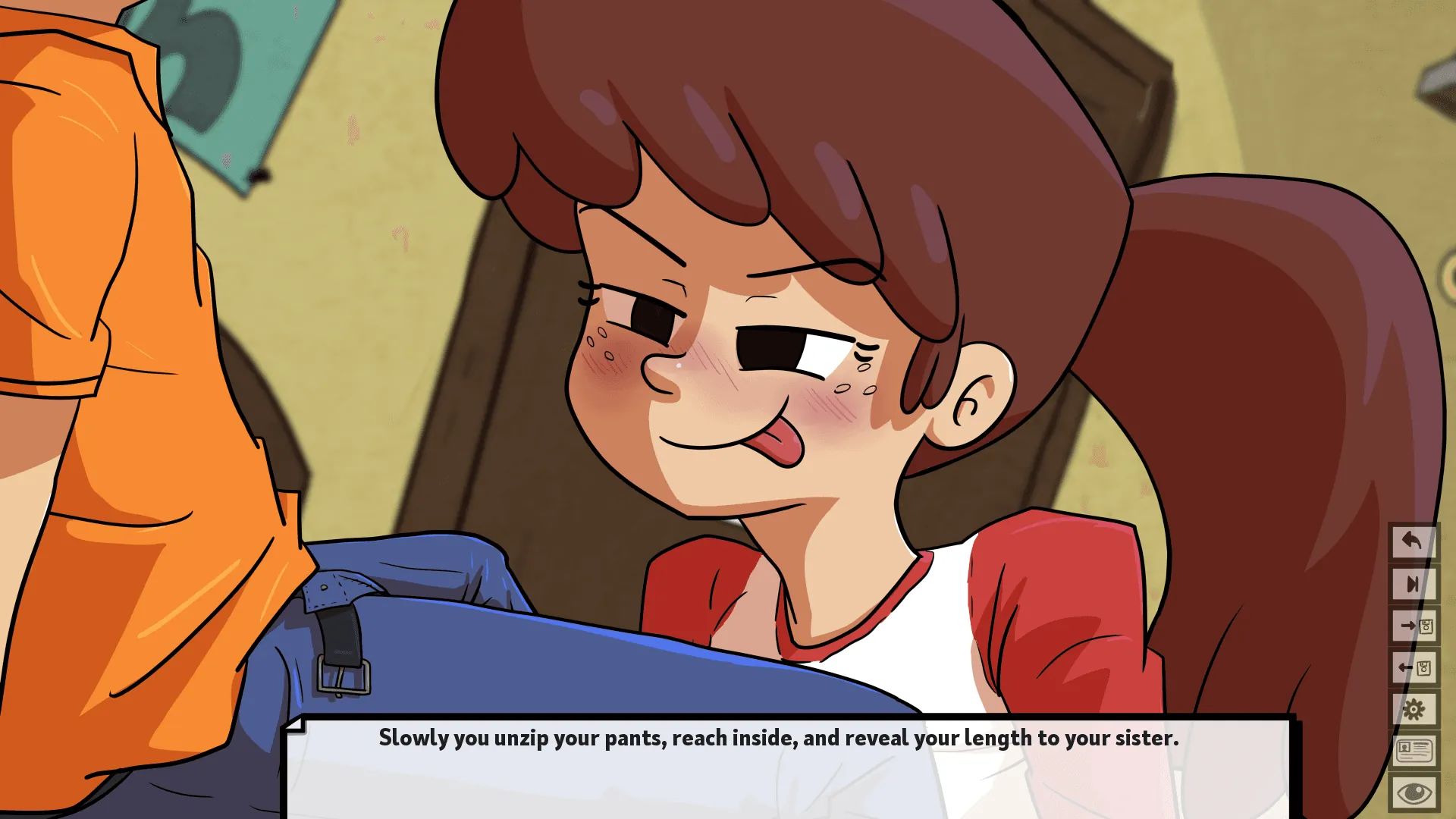
Meeting
Play Meeting
Meeting Screenshots






Meeting review
Master the art of meaningful choices, character connections, and branching narratives in this immersive adult simulation
Meeting stands out as a distinctive interactive experience that prioritizes meaningful player agency and emotional depth. Unlike traditional adult games that rely on linear progression, Meeting combines sophisticated dialogue systems, dynamic character relationships, and branching narratives that adapt to your decisions. Whether you’re exploring professional opportunities, navigating social circles, or building intimate connections, every choice you make shapes your unique story. This guide explores the core mechanics that make Meeting compelling, from its conversation-driven gameplay to its intricate affinity systems, helping you understand how to unlock hidden scenarios and create personalized narrative arcs.
Core Gameplay Mechanics: How Meeting Works
So, you’ve started playing Meeting and you’re staring at the screen, a character waiting for your response. Your heart says “Flirt,” your brain says “Be Direct,” and your inner gremlin is screaming “Joke.” 😅 Which one do you pick? If you’re feeling a bit overwhelmed, don’t worry. We’ve all been there. This isn’t a game where you just click through text; it’s a dynamic world that reacts to your personality.
Welcome to the core of the experience. Forget memorizing walkthroughs or hunting for a single “correct” answer. Meeting is about understanding a living system of cause and effect, where every choice carves a unique path through the story. Let’s break down the foundational Meeting game mechanics explained, so you can move from confused observer to master storyteller. 🎮
Understanding the Dialogue System and Tone-Based Choices
At the heart of Meeting is its brilliant Meeting game dialogue system. Imagine every conversation as a personality test, not a quiz. You’re not selecting what to say so much as you’re choosing how to be.
Instead of literal lines, you’re presented with a wheel of emotional tones and social approaches. Options like Flirt, Joke, Sympathize, Be Direct, Challenge, or Support appear based on the context. This is the essence of tone-based conversation choices. Your selection then generates a unique line of dialogue that fits both your chosen tone and your character’s voice.
Pro Tip: There’s rarely a universally “good” choice. A Joke might land perfectly with a laid-back colleague but fall flat with someone who’s stressed about a deadline. Paying attention to the scene and the character’s current mood is half the battle won. 👂
Why is this so powerful? Because characters don’t just hear your words; they react to your attitude. Consistently using Be Direct might earn you respect from a no-nonsense business contact but could scare off someone more sensitive. The game’s interactive dialogue trees branch not just based on plot points, but on the cumulative emotional footprint you leave behind.
To visualize how this works, let’s look at a typical scenario and how different tones can steer a conversation:
| Tone Choice | Example Context | Potential Affinity Effect | Long-Term Story Consequence |
|---|---|---|---|
| Flirt | A character shares a personal achievement over drinks. | +Attraction, possible +Trust if done respectfully. | Unlocks potential romantic route; may shift their perception of your relationship entirely. |
| Joke | A tense situation where a character is worried. | +Respect if it defuses tension; -Trust if seen as insensitive. | Could establish you as a “supportive friend” path; may close off more serious, intimate confessions later. |
| Sympathize | A character is venting about a difficult day. | +Trust, +Respect. | Opens doors for them to seek you out for emotional support in future crises, deepening platonic bonds. |
| Be Direct | A group is avoiding a difficult decision. | ++Respect, possible -Attraction if perceived as harsh. | Positions you as a leader; can unlock business or rivalry-centric story branches. |
| Challenge | A character states a firm, possibly flawed, belief. | +/- Respect based on their personality; can spark intrigue. | Creates a dynamic of “friendly rivalry” or intense intellectual connection; avoids generic friendly routes. |
The key takeaway? Your tone-based conversation choices are the primary tools for character relationship building. Every interaction is a brushstroke on the canvas of how a character sees you.
Mastering the Affinity System and Character Relationships
Now, let’s pull back the curtain on what those dialogue choices actually do. Beneath the surface, Meeting runs on a sophisticated, hidden affinity system mechanics. Think of it as a emotional spreadsheet for every character, tracking three core metrics: Trust, Respect, and Attraction.
- Trust is built through reliability, empathy, and keeping confidences. Choosing Sympathize when they’re vulnerable or following through on promises boosts this.
- Respect comes from competence, honesty, and strength. Be Direct in a crisis or showcasing your skills at work can increase this.
- Attraction is sparked by charm, chemistry, and shared moments. Flirt is the obvious tool, but a well-timed Joke or showing passion for something can also kindle this.
These aren’t just numbers going up. They form a matrix that determines everything. A character with high Trust and Attraction might seek a romantic relationship. High Respect and Trust could make them your most loyal business partner. The magic of character relationship building in Meeting is that these stats are checked in combination to unlock scenes, dialogue options, and entire story arcs.
Personal Insight: I once played focusing only on Attraction with a certain character. I got dates, but hit a wall where they wouldn’t open up about a personal trauma. On my next playthrough, I balanced Flirt with Sympathize and Support, building Trust alongside Attraction. That unlocked a heartbreakingly beautiful scene I never knew existed—it completely changed the character’s route. 💔✨
Let’s look at a concrete example of how this system creates cascading consequences.
Example: The Cascading Choice
Early in the game, you meet Alex, a talented but insecure artist, at a gallery opening. They’re nervously critiquing their own work.
* Choice A (Support/Sympathize): You offer genuine encouragement, focusing on their emotional state.
* Choice B (Challenge/Be Direct): You offer a piece of constructive, if blunt, artistic criticism.
This single tone-based conversation choice sets off a chain reaction:
* Path A (Support): +Trust with Alex. Weeks later, when Alex is offered a big, stressful commission, they come to you for reassurance, not their more critical friend. This unlocks a supportive subplot where you help manage their anxiety, deeply bonding you as close friends or gentle lovers.
* Path B (Challenge): +Respect with Alex. Later, when that same commission comes up, they come to you for your “honest eye,” trusting your critical judgment. This unlocks a collaborative subplot where you work as creative partners, potentially leading to a relationship built on fierce mutual admiration and passionate debate.
Both are valid, rich stories. One wasn’t “locked” because you failed; it was unlocked because you consistently presented a different facet of your personality. This is the affinity system mechanics in action—a long-term memory that shapes the narrative world around you. Your character relationship building efforts are never forgotten.
Time Management and Resource Allocation Strategies
Here’s where the “simulation” part of this adult simulation truly shines. In Meeting, you don’t have infinite hours in the day. Your two most precious resources are Time and Energy, and how you spend them defines your capabilities and opportunities. This time management gameplay layer is what makes your choices feel consequential and real. ⏳
Each day, you allocate blocks of Time and spend pools of Energy across three core areas:
* Work: Increases skills, earns money, and unlocks professional opportunities.
* Social: Builds relationships through meetings, calls, and dates. This is where you actively use that Meeting game dialogue system.
* Personal: Improves your own stats (like Charm or Intelligence), handles errands, or simply rests to recover Energy.
The tension is beautiful. Do you spend your evening Energy at the gym (Personal) to boost your Attraction stat for future encounters? Or do you go to a bar (Social) to chance a meeting with a specific character? Maybe you need to pull a late night (Work) to afford that fancy concert ticket for a future date.
This time management gameplay directly interacts with the relationship system. A character might invite you to a weekend event. If you haven’t managed your Work obligations, you might be too busy. If you’ve neglected your Social Energy, you might be too tired to go, and the moment passes. These aren’t failures; they are the shaping forces of your unique story.
Actionable Advice for New Players:
1. Balance is a Myth, Priorities are Key: Don’t try to max everything in one playthrough. Decide on 1-2 core character routes and 1 key skill to focus on. Let other things slide. Meeting rewards specialization.
2. Money is a Tool, Not a Goal: Earning cash (Work) is only useful for enabling Social or Personal actions—fancy gifts, event tickets, better wardrobe. Always ask what the money is for.
3. Rest is a Strategic Action: A depleted Energy bar means ineffective Social interactions and poor Work performance. Scheduling a “Self-Care” day (Personal) can be the best long-term investment.
4. Calendar Watching is Essential: Pay attention to the in-game calendar. Big story events are often telegraphed. Work backward to ensure you have the required Skills, Money, or Relationship levels in time.
5. Embrace FOMO… Then Let It Go: You will miss events. Characters will have experiences without you. This makes the world feel alive. Your story is defined by what you do experience, not by a checklist of everything possible.
Mastering this trifecta—the expressive dialogue system, the hidden affinity mechanics, and the strategic time management—is how you stop playing Meeting and start inhabiting it. It’s not about gaming the system, but about understanding how your chosen persona naturally navigates a responsive world. So take a deep breath, trust your instincts, and start building the relationships that feel true to you. Your unique story is waiting. 🚀
Meeting represents a significant evolution in interactive adult gaming, combining sophisticated mechanics with genuine narrative depth. The game’s strength lies in its commitment to player agency—your choices genuinely matter, shaping relationships, unlocking hidden scenarios, and determining which of multiple endings you experience. From the nuanced dialogue system and affinity tracking to the customization options that filter your entire experience, every element works together to create something that feels personal and rewarding. Whether you’re drawn to the emotional storytelling, the character development, or the satisfaction of discovering new narrative branches, Meeting offers substantial replay value that extends far beyond a single playthrough. The combination of meaningful choices, high-quality animations, and atmospheric design creates an immersive experience where you feel genuinely responsible for the story’s direction. If you’re seeking an adult game that respects your intelligence and rewards thoughtful decision-making, Meeting delivers an experience that transcends typical genre conventions. Start your journey today and discover how your unique choices create a story that’s entirely your own.