Netorare Wife Misumi – Lustful Awakening
Play Netorare Wife Misumi – Lustful Awakening
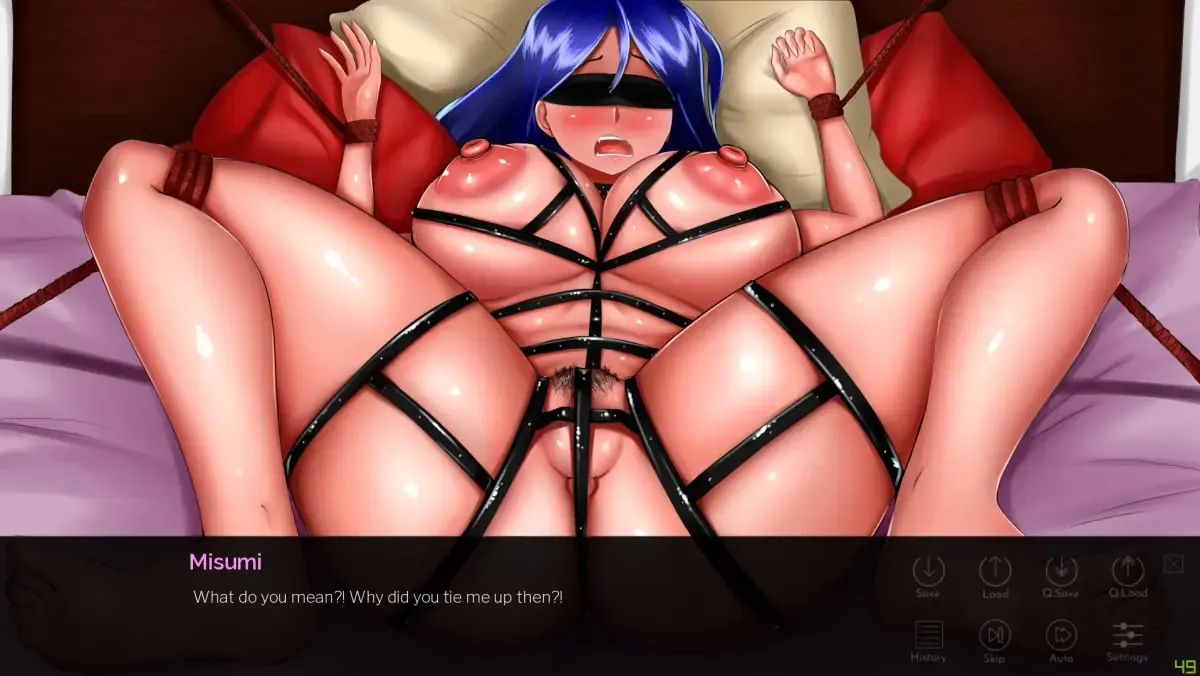
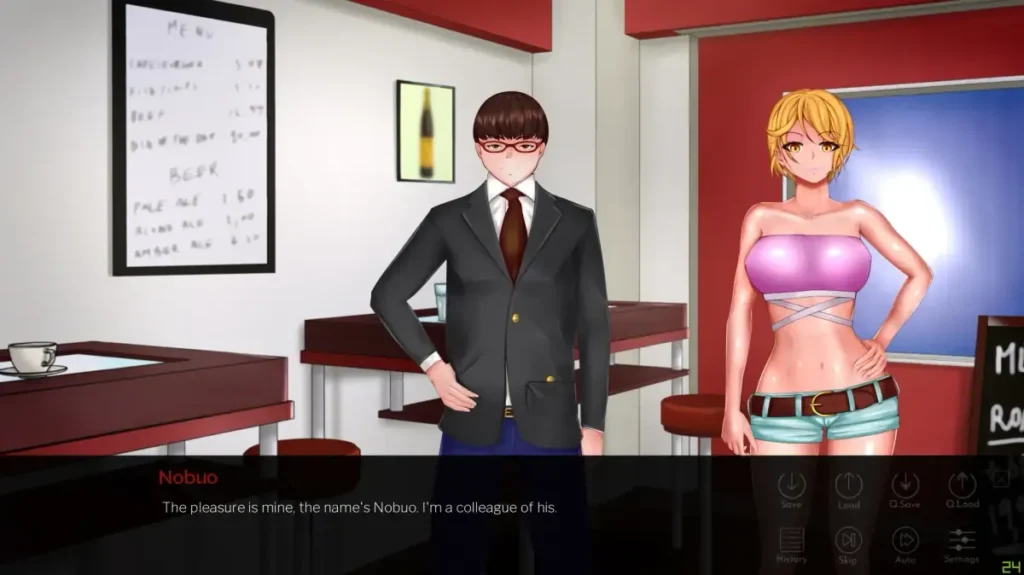
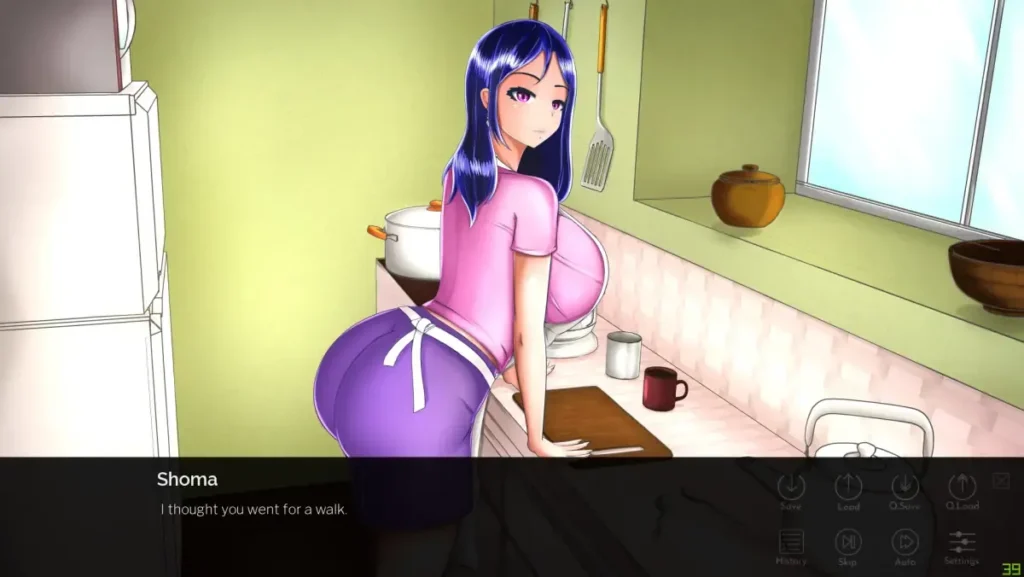
Netorare Wife Misumi – Lustful Awakening Screenshots






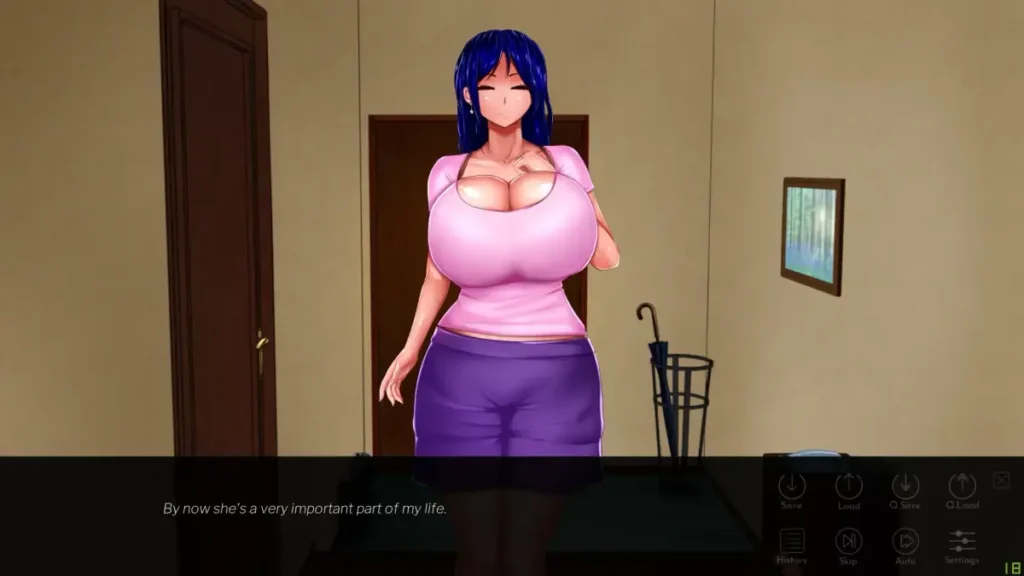
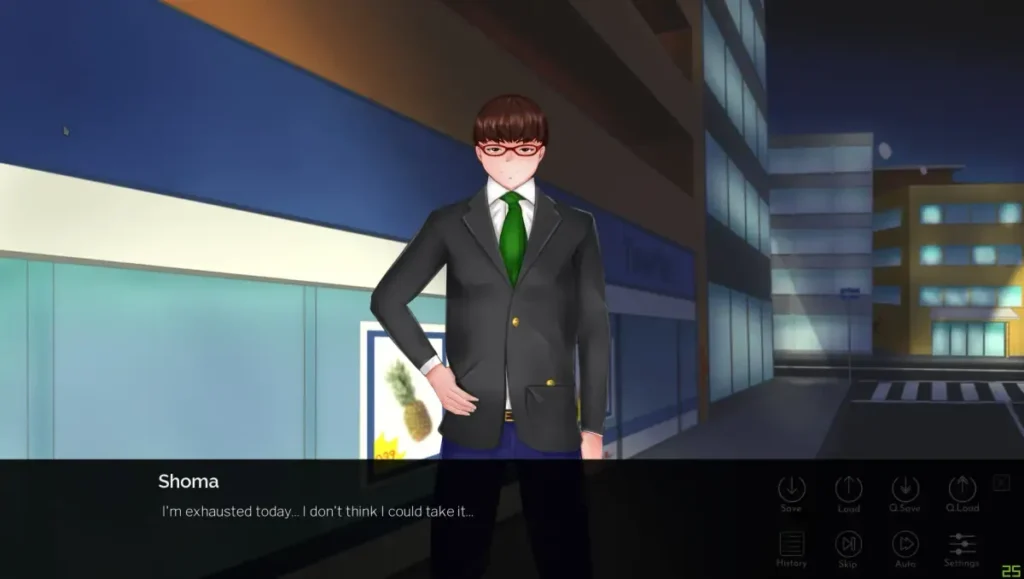

Netorare Wife Misumi – Lustful Awakening review
Explore the narrative depth, character arcs, and gameplay mechanics of this choice-driven visual novel
Netorare Wife Misumi – Lustful Awakening is a choice-driven adult visual novel that immerses players in the complex emotional journey of newlyweds navigating desire, loyalty, and temptation. Developed by Stexxa, this game presents a slow-burn narrative that explores the fragile nature of trust and the intoxicating pull of forbidden attraction. Set in a modest apartment, the story unfolds through dual perspectives, allowing players to experience the psychological tension from both the husband’s and wife’s viewpoints. With multiple endings determined by player choices and a refined 2D artistic style, this visual novel offers a compelling exploration of identity transformation and emotional conflict that resonates long after the credits roll.
Understanding the Core Narrative and Character Dynamics
Let’s be honest—when you first hear the title Netorare Wife Misumi – Lustful Awakening, you might think you know exactly what you’re getting into. 🧐 But here’s the surprise: this game is so much more than its provocative premise. It’s a deep, psychological dive into a marriage, using its choice-driven gameplay to make you an active participant in its unraveling. The real magic isn’t in the shock value; it’s in the painfully relatable foundation it builds before turning up the heat.
This guide will pull back the curtain on the masterpiece of visual novel narrative that is Netorare Wife Misumi. We’re going to explore the cozy home it asks you to care about, the people inside it, and the immense power—and responsibility—your clicks hold. Buckle up; this is about understanding a story that stays with you long after you close the game.
The Setup: A Marriage at a Crossroads
Every great story needs a solid foundation, and Netorare Wife Misumi builds its house on the quiet, comforting rhythms of married life. 🏡 You’re introduced to Shoma and Misumi as they move into their new apartment, a symbol of their fresh start. The game doesn’t rush. Instead, it invites you to savor the mundane, beautiful details of their shared existence.
We’re talking about scenes that feel lifted from a slice-of-life romance: making breakfast together, the playful debate over what movie to watch, the soft conversations in bed before sleep. Misumi might fuss over decorating their new balcony with flowers, while Shoma pretends to be exasperated but secretly loves her passion. These moments are the emotional bedrock of the entire Netorare Wife Misumi story. The game is clever—it makes you invest in this version of “happily ever after.” You see the inside jokes, the gentle touches, the unspoken understanding. You’re not just told they love each other; you experience the warmth of their bond firsthand.
Tip from a Player: On my first playthrough, I almost found these early scenes too peaceful. I kept waiting for the drama to start. But on my second run, I realized these moments are the entire point. They’re what makes the later tension so psychologically potent. You miss this version of them when it’s gone.
This deliberate pacing is a masterstroke in visual novel narrative. It establishes a tone of warmth and security, making you, the player, feel like a protector of this small, perfect world. You become complicit in wanting to preserve it. This is why, when the first cracks appear—a missed call, a slightly later work night, a new, charismatic neighbor moving in down the hall—the impact is visceral. The game expertly shifts the tone from cozy to quietly anxious. You start examining every line of dialogue, every choice, for potential threats to the paradise you’ve helped build. The domestic routine is no longer just background; it becomes the thing you’re fighting to save, or, depending on your choices, the thing you watch transform beyond recognition.
Meet the Central Characters and Their Motivations
A plot is only as strong as the people in it, and this game presents a quartet of characters whose desires and flaws collide with fascinating complexity. You don’t just observe them; through the game’s brilliant dual-perspective system, you get inside their heads.
-
Misumi: The titular wife is the sun around which this story orbits. Initially, she radiates devotion—a loving partner who finds joy in building a home. But to see her only as a doting wife is to miss her depth. The game slowly reveals her unspoken restlessness, a quiet curiosity about life and passion that her secure, perhaps routine, marriage hasn’t fully addressed. Her character development in this visual novel is a journey of awakening, asking painful questions: Can a person change without betraying who they were? Is desire a part of love, or its enemy? Playing from her perspective is a raw look at the conflict between comfort and curiosity.
-
Shoma: As the husband, Shoma is our other anchor. He’s hardworking and loves his wife deeply, but a hint of complacency has seeped into their routine. He assumes the stability of their love is a permanent fixture, not a living thing that needs active tending. His storyline is often one of dawning realization and panic. When you play from his point of view, the game transforms into a psychological thriller. Every innocuous detail Misumi shares becomes a potential clue, and your choices often revolve around confrontation, denial, or desperate attempts to reclaim what’s slipping away.
-
Chiyo: Misumi’s playful cousin is the spark to the tinder. 😈 She’s bubbly, flirtatious, and lives for excitement. While not malicious, she embodies a freedom and sexual openness that contrasts sharply with Misumi’s domestic life. Chiyo often pushes boundaries “just for fun,” acting as the catalyst that introduces new ideas and possibilities into Misumi’s world. She challenges the status quo simply by being herself.
-
Isao: The new neighbor is the embodiment of temptation. He’s mysterious, confident, and carries an aura of experience that is both intriguing and dangerous. He doesn’t force anything; instead, he offers attention, conversation, and a mirror to Misumi’s latent desires. He represents the “what if” that exists outside the walls of the apartment.
Their interactions are a dance of power dynamics. A seemingly friendly chat on the balcony crackles with subtext. A husband’s working late creates a vacuum someone else might fill. This is where the core loyalty versus desire theme plays out in heartbreaking detail, making it a standout among emotional conflict games.
To see how they all fit together, let’s break it down:
| Character | Role in the Narrative | Key Traits & Motivations |
|---|---|---|
| Misumi | The Protagonist / Catalyst of Change | Devoted, nurturing, but inwardly restless. Motivated by a deep love for Shoma and a growing, confusing need for passionate self-discovery. |
| Shoma | The Protagonist / Stabilizing Force | Loving, reliable, but slightly complacent. Motivated by preserving his marriage and the life he’s built, often reacting to threats against it. |
| Chiyo | The Instigator / Window to Another World | Playful, bold, and unapologetically free. Motivated by fun and a genuine (if careless) desire to see her cousin experience more of life. |
| Isao | The Temptation / Agent of Chaos | Mysterious, charismatic, and observant. Motivated by his own interest in Misumi, representing the allure of the new and the forbidden. |
How Player Choices Shape the Story
This is where Netorare Wife Misumi truly earns its stripes as a premiere multiple endings game. You are not a passenger on this ride—you are in the driver’s seat, and every turn, no matter how small, leads to a different destination. 🧭
The choice-driven gameplay is seamlessly woven into the fabric of the story. Choices aren’t just obvious “Good vs. Evil” prompts. They are subtle, everyday decisions that feel incredibly real:
* As Shoma: Do you ask Misumi about her day in detail, or just give her a distracted kiss and turn on the TV? Do you confront her about a strange text you saw, or bury your suspicion to avoid a fight?
* As Misumi: Do you accept Chiyo’s invitation to go out for drinks, or stay home with Shoma? Do you engage in a deep conversation with Isao on the balcony, or make an excuse to go inside?
Each of these branches the narrative path. The game features over ten distinct endings, ranging from heartfelt reconciliations and renewed intimacy to tragic downfalls and transformative, if bittersweet, conclusions. There is no single “true” ending; there are only the consequences of your accumulated choices. This design makes it a deeply personal experience. Your values, your instincts, and your tolerance for risk directly write the final chapter of this Netorare Wife Misumi story.
The revolutionary dual-perspective storytelling amplifies this effect. You might play a scene from Shoma’s view, making a choice rooted in his fear and love. Then, in a subsequent playthrough, you experience the same timeline from Misumi’s perspective, understanding her motivations completely differently. This doesn’t just create replay value; it shatters judgment. You realize there are no pure villains or victims here, just complex people making difficult choices in a tangled web of emotion. It’s a profound lesson in empathy that few emotional conflict games deliver so effectively.
Ultimately, Netorare Wife Misumi – Lustful Awakening uses its mechanics to serve its theme. The loyalty versus desire theme isn’t just something the characters grapple with—it’s the central question the game poses to you, the player. Will you guide this couple toward communication and fortified trust? Will you let curiosity bloom into something that changes them forever? The power, and the burden, is yours. This intricate marriage of character development and choice-driven gameplay is what transforms a compelling story into an unforgettable personal journey.
Netorare Wife Misumi – Lustful Awakening stands as a sophisticated exploration of desire, identity, and the complexities of human relationships. Through its carefully constructed narrative, nuanced character development, and choice-driven gameplay, the game transcends typical adult entertainment to offer genuine emotional depth. The dual perspective storytelling allows players to grapple with difficult questions about loyalty, personal transformation, and the nature of commitment. Whether you’re drawn to the psychological tension, the character arcs, or the branching narrative paths, this visual novel delivers a compelling experience that lingers long after completion. If you’re interested in mature narratives that challenge conventional storytelling, exploring this game provides both entertainment and thought-provoking themes worth experiencing.