Short Sad Stories
Play Short Sad Stories
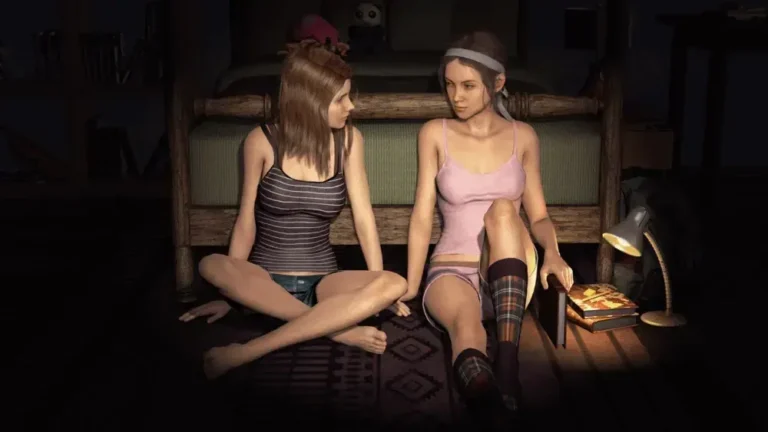
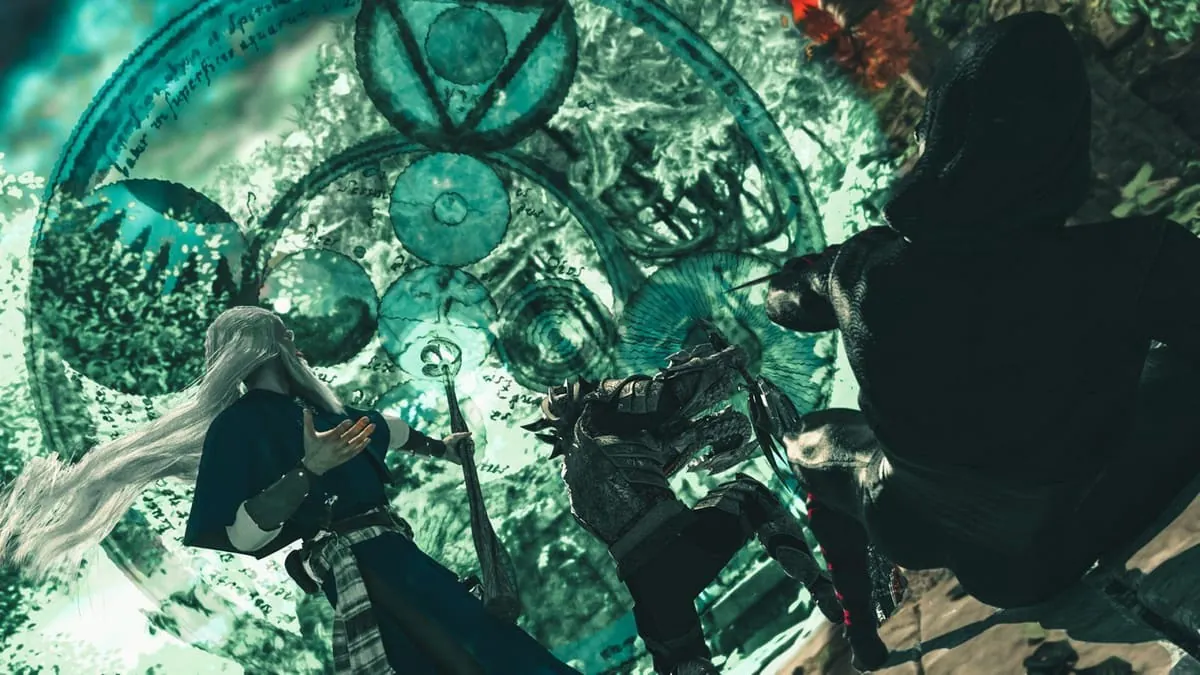
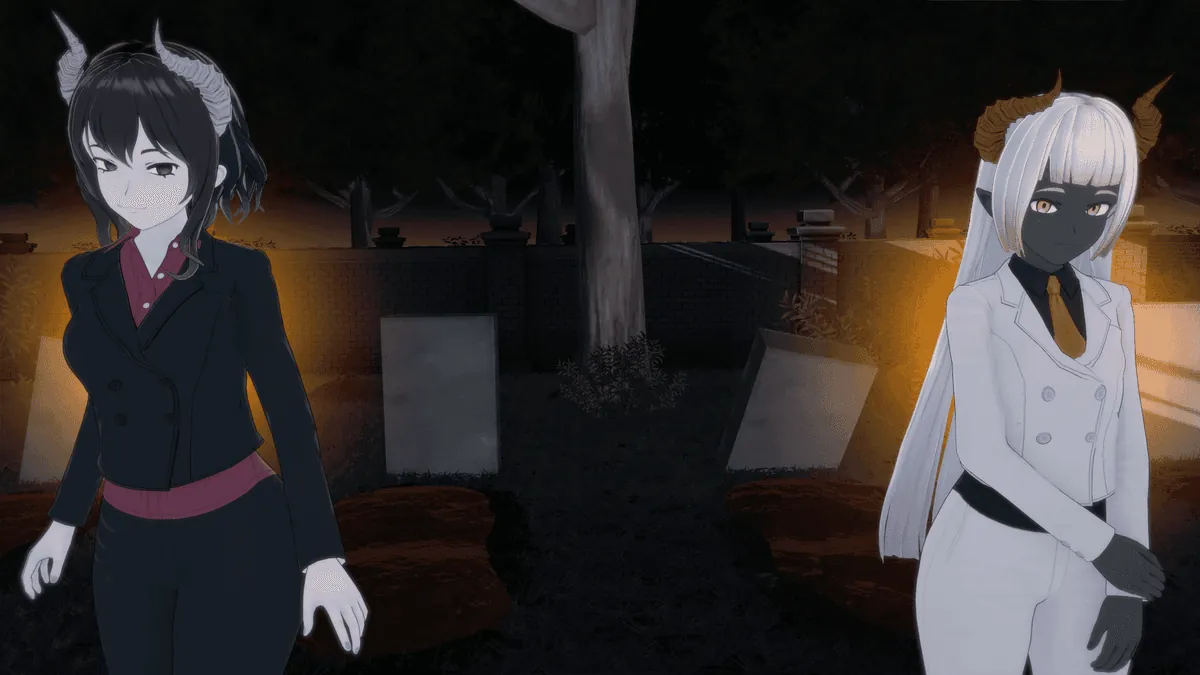
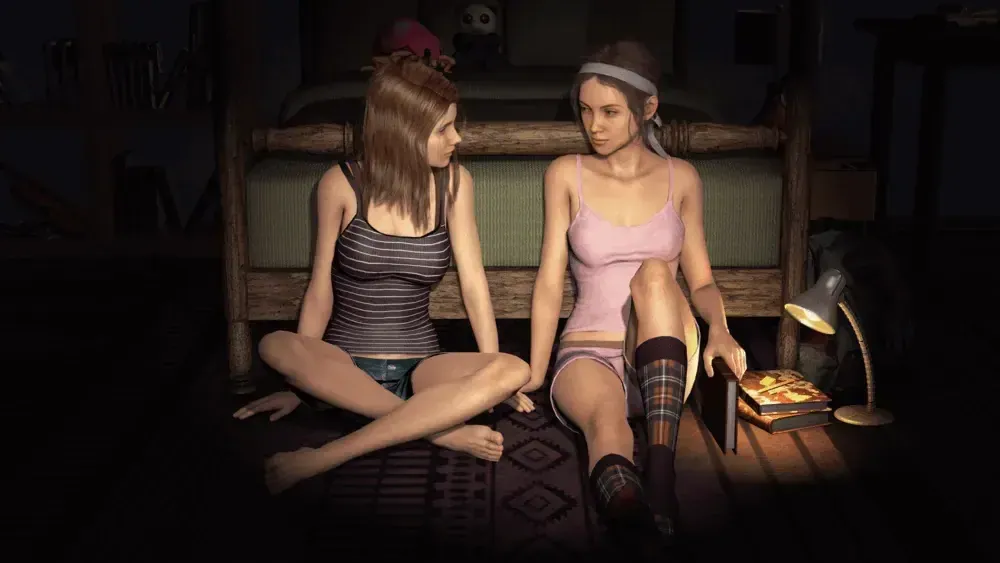
Short Sad Stories Screenshots


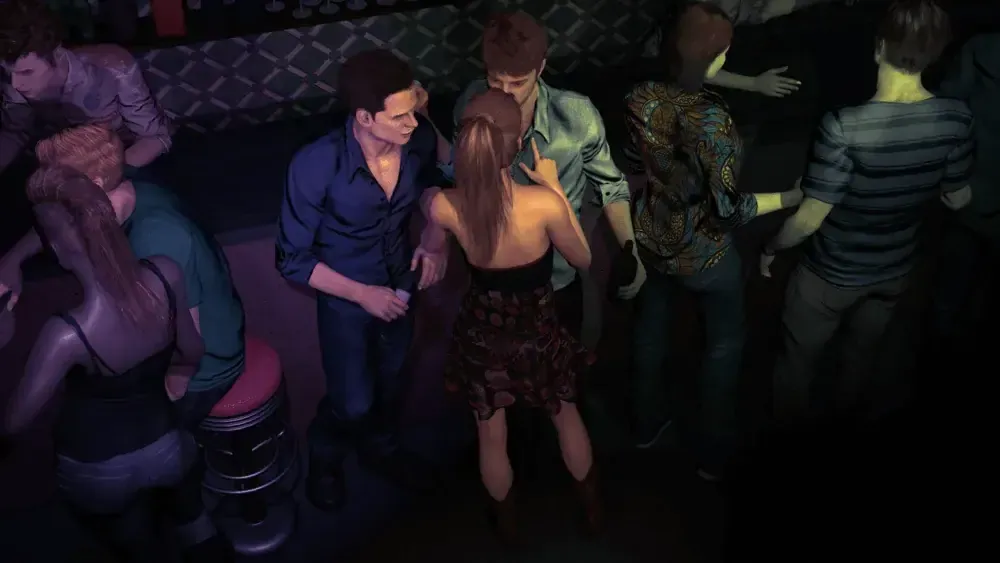
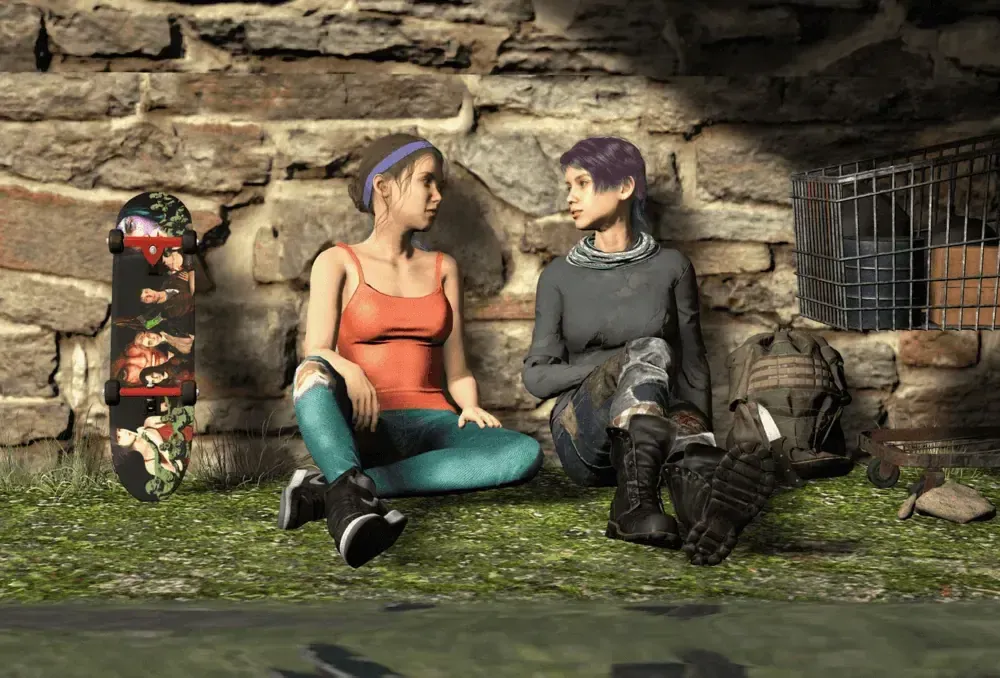
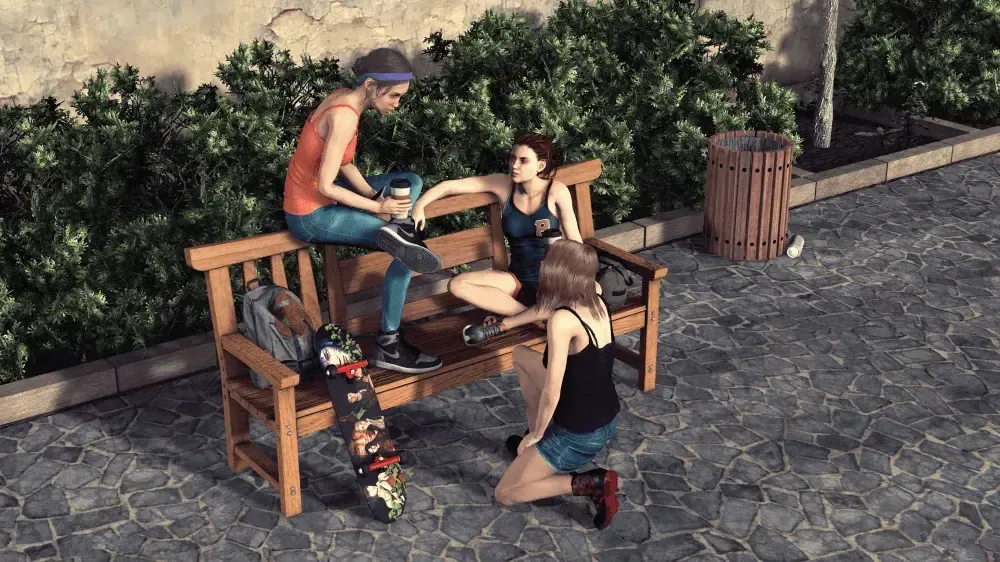
Short Sad Stories review
Dive into Heartbreaking Narratives and Player Choices in Pent Panda’s Captivating Game
Have you ever played a game that left you staring at the screen, heart heavy with unspoken emotions? That’s exactly what Short Sad Stories delivers—a poignant visual novel from Pent Panda that weaves intertwined tales of young adults navigating dilemmas, lost dreams, and fleeting connections in a bustling city. Centered on characters like dreamy Alice straddling reality and fantasy, returning hero Zach, and shadowy friends with hidden secrets, this interactive sad story game blends branching choices with inevitable heartbreak. As someone who’s replayed it multiple times, I can attest: it’s not just a game; it’s an emotional journey of maturity, hope, and quiet despair that lingers long after the final scene. Let’s explore why Short Sad Stories resonates so deeply.
Why Short Sad Stories Captivates with Its Unique Narrative?
I remember my first time stepping into the world of Short Sad Stories. I was playing as Alice, navigating her vibrant, imaginary city—a place so full of color and life, it felt like a sanctuary. 😌 Then, the game shifted, and I was Zach, returning to a home achingly quiet and empty. In that moment, the core of this interactive sad story game clicked into place. It’s not about preventing the rain; it’s about learning to find meaning while getting soaked. This chapter dives into why its Short Sad Stories narrative is so uniquely powerful, pulling us into tales of loss and then, gently, showing us the way toward hope.
Unpacking the Intertwined Tales of Alice, Zach, and Friends
At its heart, a Short Sad Stories plot summary revolves around a tight-knit group of young adults navigating the pressures of a bustling city. They grapple with career anxieties, complex romances, and the quiet misfortunes that life casually throws their way. But what makes the Short Sad Stories characters so memorable is how intimately we get to know their inner worlds.
Alice isn’t just escaping reality; she’s building a new one to cope, and her dual existence forms the emotional backbone. Zach’s story is that of a “failed hero,” returning not to fanfare but to silence, forcing him to confront what he left behind. Then there’s Olivia and the others, each harboring secrets and private regrets that ripple through the group. 🫂 This isn’t a story about one person’s tragedy; it’s a tapestry of interconnected struggles, making the emotional storytelling in games here feel rich and deeply human. Every character’s journey, from denial to acceptance, is a piece of a larger puzzle about overcoming.
How Inevitability Meets Player Agency in Emotional Storytelling
This is where Short Sad Stories truly redefines the interactive sad story game genre. You have control, your choices matter intensely, but they don’t change the ultimate destination. Think of it like this: you can’t stop the storm, but you can choose who you huddle with for warmth, what memories you hold onto, and how you face the clearing skies. The game’s visual novel branching storylines are masterfully designed to deepen your understanding, not alter the fixed points of sadness.
‘The moment I curated items in the empty room, the weight of goodbye hit me like a wave.’ – My personal reflection on a pivotal Zach scene.
My second playthrough was a revelation. I prioritized building a specific friendship with one of the more withdrawn characters. This choice unlocked an entire subplot and a devastating confession I’d missed entirely. I thought I understood the story, but this new path made me feel it on a different level. I won’t lie—it brought me to tears. 😢 This is the genius: your agency doesn’t rewrite the plot; it rewires your empathy. You are navigating the currents of these lives, and each choice lets you see the depths below from a new angle.
Themes of Loss, Regret, and Hope That Hit Home
The themes of loss and regret in Short Sad Stories are not abstract concepts; they are lived experiences. The game explores the loss of relationships, of time, of potential selves we thought we’d become. Regret manifests in unsent texts, unspoken apologies, and paths not taken. Yet, woven through this melancholy is a persistent, fragile thread of hope. It’s the hope found in honest connection, in finally speaking your truth, and in the simple, courageous act of moving forward.
To see how these themes play out across the different character journeys, here’s a look at the core emotional arcs:
| Story Arc Theme | Key Characters Involved | Core Emotional Payoff |
|---|---|---|
| Loss & Letting Go | Alice, Zach | A bittersweet catharsis in accepting change and finding peace in memory. |
| Regret & Missed Chances | Olivia, Shadowy Friends | A painful, clarifying realization that leads to hard-won honesty. |
| Identity & Escape | Alice | The integration of fantasy and reality, leading to stronger self-awareness. |
| Return & Reconciliation | Zach, The Group | A quiet resolution that focuses on rebuilding rather than blaming. |
This structure ensures that every playthrough resonates, hitting different emotional notes. The Short Sad Stories narrative insists that while we can’t erase our past pains, our future isn’t defined by them. 🌈
So, how do you get the most out of this experience? Here’s my actionable advice for your playthroughs:
- Embrace the Sadness First: Don’t fight the emotional tide on your initial run. Let the story happen. This baseline is crucial.
- Follow Your Curiosity Next: On subsequent plays, focus entirely on one character. Say “yes” to every interaction with them and see where their secret path leads.
- Document the Differences: Keep a mental (or actual) note of new scenes or dialogue. These fragments build a fuller, heartbreaking picture of the whole group’s dynamics.
- Savor the Silence: Some of the most powerful emotional storytelling in games here happens without words. Pay attention to the environments, the music, and the pauses.
In the end, Short Sad Stories captivates because it understands a profound truth: sometimes, the most powerful choice isn’t about changing the story, but about changing how we understand it. It uses its visual novel branching storylines not as a tool for wish-fulfillment, but for empathy-building. It redefines interactive fiction by proving that a story where the ending is known can still be utterly compelling, because the real journey is interior. You’re not playing to win; you’re playing to feel, to connect, and ultimately, to find that sliver of hope shining through the cracks of a beautifully broken world. ✨
Short Sad Stories isn’t just another visual novel—it’s a mirror to our own regrets, dreams, and quiet hopes, masterfully crafted by Pent Panda through Alice’s fantasies, Zach’s failures, and the bonds that both save and break us. The branching choices invite you to witness heartbreak in personal ways, turning passive play into profound empathy. If you’ve felt the pull of its emotional depths, replay it with fresh eyes or share your endings with fellow players. Dive back in today, let the stories change you, and emerge with a deeper appreciation for the beauty in sadness. What’s your most memorable moment? I’d love to hear in the comments.