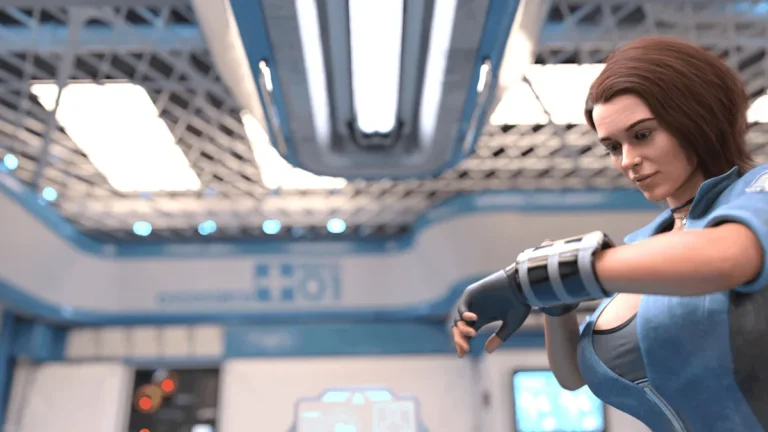
Stars of Salvation
Play Stars of Salvation
Stars of Salvation Screenshots


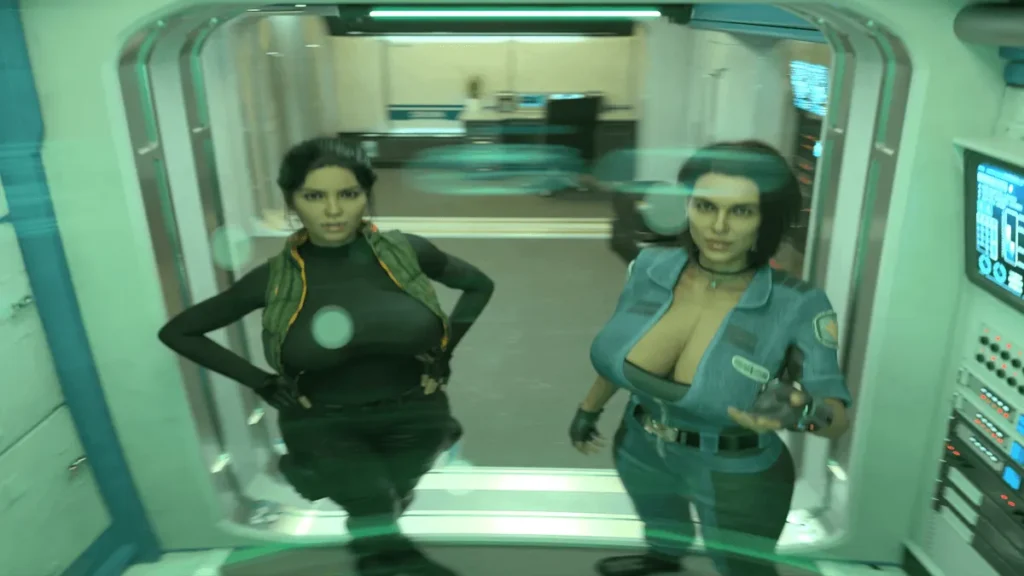


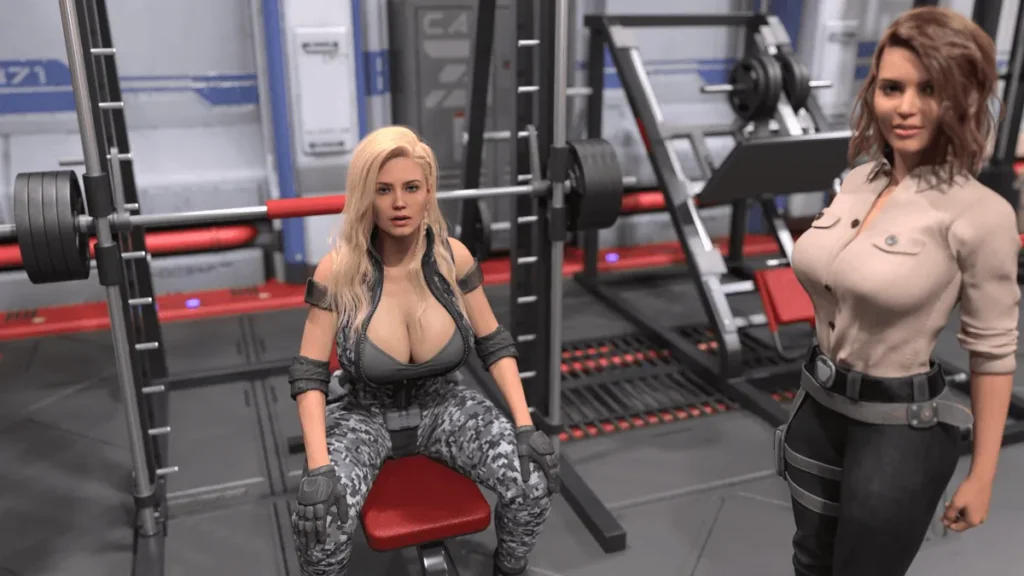
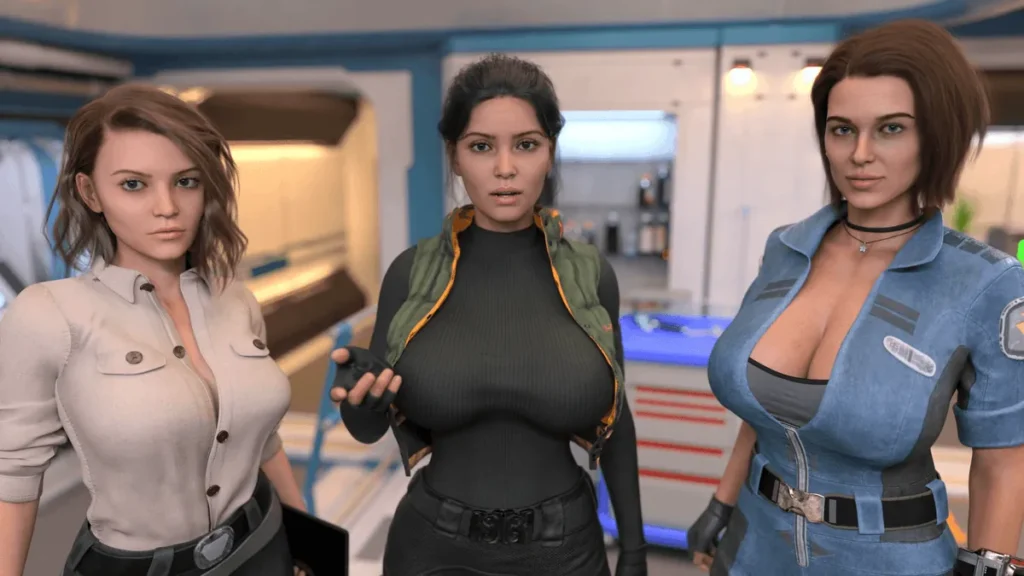
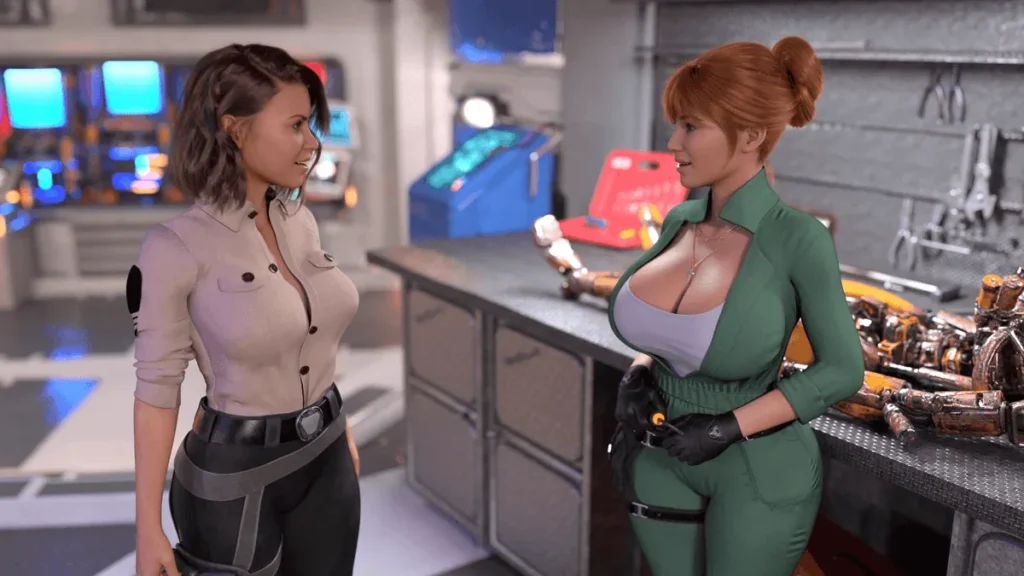
Stars of Salvation review
Explore the sci-fi visual novel experience with compelling storytelling and character dynamics
Stars of Salvation stands out as a unique sci-fi visual novel that combines engaging narrative with interactive gameplay. The game follows a protagonist who awakens on a mysterious space station filled with compelling characters and unexpected plot twists. If you’re interested in story-driven experiences set in space settings with meaningful character relationships and decision-making mechanics, this guide covers everything you need to know about what makes this game distinctive. We’ll explore the narrative structure, gameplay systems, character development, and what players can expect from their experience.
Understanding the Story and Setting of Stars of Salvation
Picture this: you open your eyes to the sterile, humming silence of a metal room you don’t recognize. Your head is pounding, a complete blank where your past should be. The only certainty is the vast, star-dusted blackness pressing against the viewport. You’re on a space station, utterly alone with your missing memories. That’s the powerful, immediate hook of Stars of Salvation, and let me tell you, it never lets go. 🚀
This sci-fi game narrative masterfully uses its space station visual novel setting not just as a backdrop, but as a character in itself—a claustrophobic, ticking-clock environment where every corridor whispers secrets and every character could be a friend or your downfall. In this chapter, we’re diving deep into the heart of this experience: the gripping Stars of Salvation story, the intricate visual novel plot, and the profound game character development that makes every choice pulse with consequence.
### The Premise: Waking Up in Space
Your journey in this interactive story game begins with that brilliant, classic sci-fi dilemma: amnesia in isolation. But Stars of Salvation quickly twists this trope into something far more urgent. You’re not just some random amnesiac; you awaken on the Salvation, a research station on the edge of known space that has just suffered a catastrophic systems failure. Life support is failing, communications are dead, and the small crew is reeling from an apparent sabotage.
The genius of the setup is its simplicity: You have two immediate, primal goals. Survive. And remember. The station becomes your whole world, and its fate is inexplicably tied to the fragments of your own identity.
The space station visual novel format is perfect for this. You’ll explore beautifully rendered, static environments—the bustling mess hall, the eerie quiet of the hydroponics bay, the nerve-center of the command bridge. Each location feels lived-in, with personal logs, scattered data pads, and environmental details slowly piecing together the events leading to the disaster. You’re not just reading a story; you’re actively investigating your own past and the station’s present crisis. The sense of place is so strong that you’ll start to feel the artificial gravity and hear the distant thrum of engines in your imagination. 🌌
I remember my first playthrough, desperately clicking through the crew quarters, looking for any photo, any memento that might trigger a flicker of memory. That personal, intimate connection to the mystery is what sets this sci-fi game narrative apart. The stakes aren’t some galactic war (at least, not at first); they’re profoundly human. Will you fix the oxygen scrubbers in time? Can you figure out who to trust before the next critical system fails? Your amnesia isn’t a plot device to be solved in act one; it’s the lens through which you experience every revelation and betrayal.
### Narrative Elements and Plot Development
So, what really hooked me about the Stars of Salvation story? It’s how it layers its mysteries like an onion. The initial problem (“fix the station”) quickly reveals a deeper one (“there’s a traitor”), which itself cracks open to expose earth-shattering truths about the station’s true mission and your own role in it. This isn’t a linear mystery; it’s a spiraling descent into a conspiracy where every answered question poses two more.
The visual novel plot excels at pacing. It balances quiet, tense moments of conversation with sudden, shocking story beats that made me physically jump. One minute you’re having a calm chat in the observatory about stellar phenomena, the next an alarm blares, lights flash, and you’re making a split-second decision that could seal a character’s fate. This interactive story game understands that in a confined setting, drama comes from interpersonal clashes as much as from external threats.
The sci-fi elements are grounded and compelling. We’re not talking magic warp drives. The technology feels plausible—advanced AI with strict operational parameters, gritty mechanical repairs, the psychological toll of long-term isolation. The mystery of the “anomaly” the station was studying is a fantastic central enigma, blending cosmic horror with hard science fiction in a way that constantly kept me guessing.
Here are the key story elements that define this incredible narrative experience:
- The Dual Mystery: The parallel quests to uncover the saboteur and your own identity are expertly woven together. Clues about one often illuminate the other.
- The Paranoia Engine: With a limited cast, everyone is a suspect. The game makes you question even the kindest characters, because in deep space, motives are hidden by survival instincts.
- The Unreliable Protagonist: Since you see the world through your amnesiac eyes, you can’t even trust your own instincts. Flashbacks and recovered memories can be destabilizing and morally challenging.
- The “Ticking Clock”: Persistent station alerts and declining system statuses create a constant, low-grade anxiety that pushes the narrative forward.
- The Grand Revelation: The payoff for the central sci-fi mystery is deeply satisfying, connecting the personal stories of the crew to a much larger, awe-inspiring cosmic truth.
| Plot Element | How It Serves the Narrative |
|---|---|
| The Amnesia Hook | Creates immediate player-character alignment and makes every discovery feel personal and earned. |
| The Confined Setting | Amplifies tension and forces character interactions, making relationships the primary driver of conflict. |
| The Traitor Mystery | Provides a structured, engaging goal that motivates exploration and conversation with every crew member. |
| The Sci-Fi “Anomaly” | Elevates the story from a simple thriller to a thought-provoking exploration of first contact and humanity’s place in the cosmos. |
### Character Relationships and Dynamics
If the setting and plot are the skeleton of Stars of Salvation, then the character relationships game is its beating heart. This is where the game character development truly shines. The crew of the Salvation aren’t just archetypes; they’re deeply flawed, vulnerable, and wonderfully human individuals, each hiding their own fears and secrets behind their professional roles.
Your amnesia creates a unique dynamic: everyone on station knows of you, but you have to relearn who they are from scratch. Is the stern security officer always this intense, or is she hiding panic? Is the charming medic’s kindness genuine, or a manipulative tactic? Every interaction is colored by this profound asymmetry. You’re building (or rebuilding) character relationships based purely on present actions, free from the baggage of a past you can’t recall.
The visual novel plot progresses through your conversations. Dialogue trees aren’t just about gathering information; they’re about forging bonds, testing loyalties, and navigating the delicate social ecosystem of a doomed station. Choosing to confide in one character might make another suspicious. Offering to help with a personal task can build immense trust, while pressing too hard on a sensitive subject can shut down a relationship path entirely.
My biggest tip: Pay close attention to how people say things, not just what they say. A hesitation, a change in subject, a flicker of anger—these are often more telling than any direct lie. The best clues are buried in subtext.
Let’s talk about trust. In most games, it’s a binary stat that unlocks perks. Here, trust is the fragile currency of survival. It determines who will back you up in a crisis, share crucial intel, or potentially reveal their own dark secrets. Building it requires consistency, empathy, and sometimes, making choices that align with a character’s values over your own immediate gain. I once sacrificed a chance to access a restricted log to instead help a crewmate with a personal memorial. That decision, which seemed narratively trivial, later led to them saving my life when the traitor made their move. That’s the power of this character relationships game.
The emotional depth comes from this interdependence. You’re not a superhero; you’re a vulnerable person relying on other vulnerable people. Their backstories—unlocked through trust and key choices—are poignant tales of loss, ambition, and regret that mirror the larger themes of the Stars of Salvation story. You’ll celebrate small victories with them and feel genuine dread when they’re in peril. The game brilliantly balances action with this character-driven development, ensuring that the final confrontation isn’t just about solving a puzzle, but about fighting for the relationships you’ve nurtured.
Ultimately, the sci-fi game narrative of Stars of Salvation succeeds because it makes you care. It uses the intimacy of the space station visual novel format to explore profound questions about identity, trust, and sacrifice against the awe-inspiring backdrop of the cosmos. Your choices in dialogue and action don’t just lead to different endings; they define the very nature of your journey and the person you become amidst the stars. It’s a testament to how powerful an interactive story game can be when its plot and people are given equal weight, creating an experience that lingers in your mind long after the final credits roll. ✨
Stars of Salvation delivers a compelling sci-fi visual novel experience that successfully combines engaging narrative with interactive gameplay mechanics. The game’s strength lies in its well-crafted story about a protagonist awakening on a mysterious space station, complemented by a diverse cast of characters and meaningful relationship-building systems. The location-based exploration and dialogue-driven progression create an immersive experience where player choices genuinely matter. While the game excels in storytelling and character development, potential players should consider whether the sci-fi setting and relationship-focused gameplay align with their preferences. Whether you’re a visual novel enthusiast seeking a fresh sci-fi narrative or someone interested in story-driven games with meaningful character interactions, Stars of Salvation offers a distinctive experience worth exploring. The game rewards players who invest time in understanding characters and making thoughtful dialogue choices, creating a personalized journey through its space station setting.