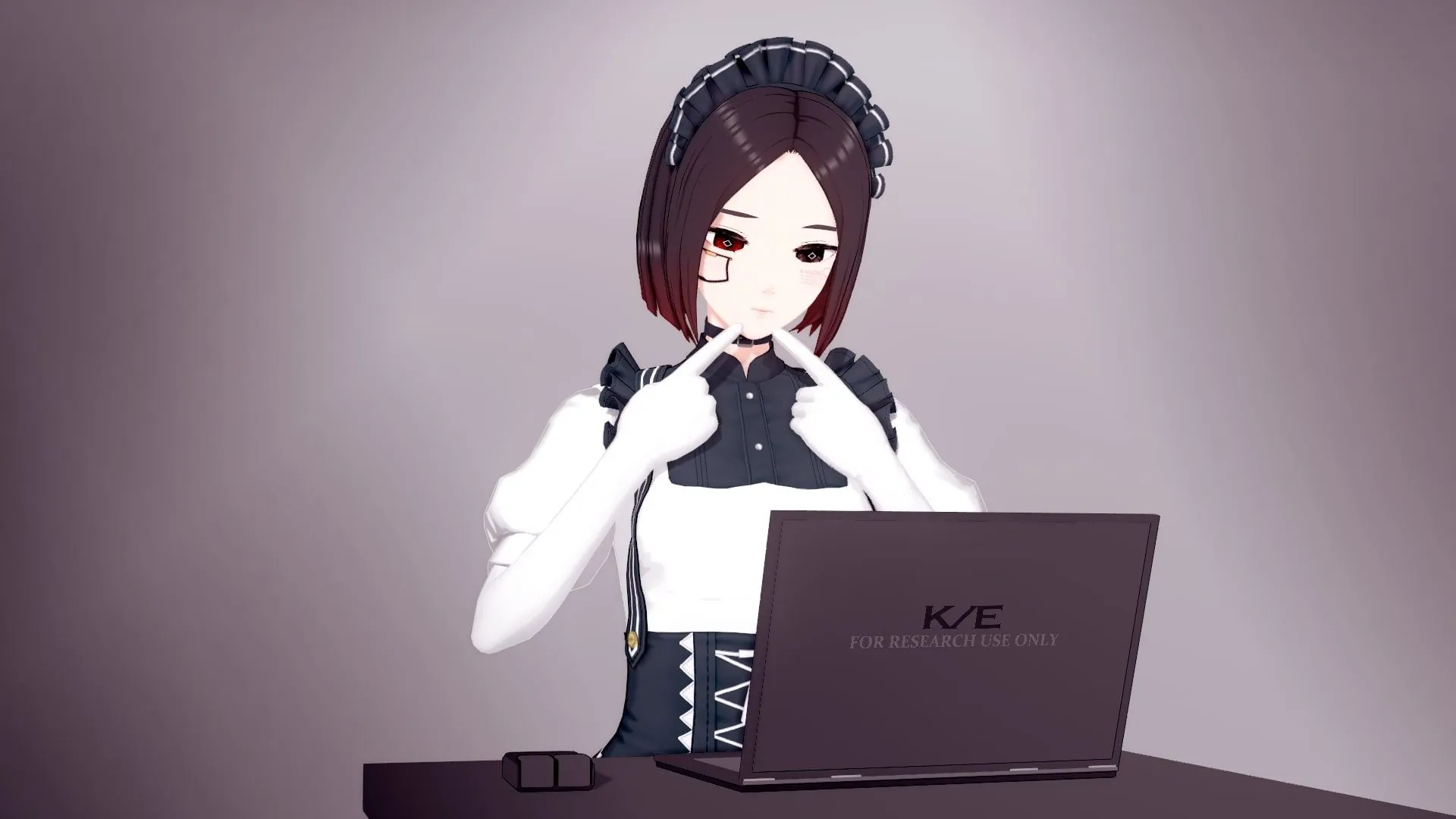
Summer’s Gone
Play Summer’s Gone
Summer’s Gone Screenshots















Summer’s Gone review
Exploring the Story, Gameplay, and Unique Features of Summer’s Gone
Summer’s Gone is a captivating interactive visual novel that blends emotional storytelling with immersive gameplay. Centered on themes of healing, hope, and love, this game invites players to navigate complex relationships and personal challenges through a richly crafted narrative. Whether you’re a fan of story-driven games or looking for an engaging experience with meaningful choices, Summer’s Gone offers a unique journey that balances dramatic moments with adult-themed content. In this article, we’ll explore the game’s storyline, gameplay elements, character development, and what makes it a standout title in its genre.
What Makes Summer’s Gone Unique? Story and Setting
I still remember the first time I booted up Summer’s Gone and realized this wasn’t just another dating sim disguised as a story. I was expecting lighthearted flirting and maybe a beach episode. What I got was a punch to the gut—a protagonist so emotionally shattered he could barely function. 😮 This interactive visual novel immediately sets itself apart by diving headfirst into themes of profound loss and the fragile, often painful, journey toward healing. The Summer’s Gone story isn’t just a backdrop for romance; it’s the very heart and soul of the experience, a game narrative that isn’t afraid to sit with its characters in their darkest moments.
“The past is a ghost, the future a dream. All we have is now.” – A poignant reflection from the game that encapsulates its central theme.
This single line perfectly captures the emotional struggle at the core of the game. You’re not just guiding a character; you’re helping him learn to breathe again. 🫂
The Emotional Core: Healing and Hope
At its heart, the Summer’s Gone story is a slow, deliberate burn about putting the pieces of a broken life back together. You step into the shoes of a young man grappling with a devastating loss that has left him emotionally numb and socially isolated. The brilliance of this emotional storytelling game is that it doesn’t offer quick fixes. Your first interactions are awkward, strained, and heavy with the weight of unsaid things. 😔
I found myself genuinely pausing during dialogue choices, not to maximize a “relationship points” counter, but because I was genuinely considering what would be best for his fragile mental state. The game’s pacing is masterful, perfectly balancing moments of quiet introspection with sparks of connection. You’ll have scenes where the only “action” is a character sitting in silence, and yet, it’s utterly compelling because you feel the significance of that silence. This careful character development in Summer’s Gone is what makes the eventual moments of hope and connection feel so earned and powerful. ✨
A City Full of Mysteries and Conflict
The game setting Summer’s Gone is far more than a pretty backdrop; it’s a character in its own right. You navigate a modern, bustling city that, on the surface, seems normal. But beneath the veneer of everyday life, there are undercurrents of tension, secret societies, and personal rivalries. 🏙️ This creates a constant sense of intrigue that perfectly complements the protagonist’s internal journey.
As an elite operative—a far cry from your typical visual novel protagonist—you’re tasked with a mission that seems straightforward: find a mysterious girl. But in this city, nothing is as it seems. The mission quickly spirals, pulling you into the tangled lives of the other characters and the city’s hidden conflicts. The way the game setting Summer’s Gone intertwines with the personal arcs is seamless. A chance encounter in a cafe might reveal a clue to the larger mystery, while a corporate skyscraper could be the stage for a deeply personal confrontation. This fusion ensures the game narrative remains dynamic and unpredictable.
Here’s a look at how the setting contrasts with the protagonist’s internal world:
| External World (The City) | Internal World (The Protagonist) |
|---|---|
| Bustling, loud, and socially demanding | Quiet, isolated, and seeking solitude |
| Full of hidden agendas and mysteries | Struggling with a single, overwhelming personal mystery |
| Forces interaction and conflict | Fears connection and avoids confrontation |
Character Depth and Development
Where Summer’s Gone truly shines as an interactive visual novel is in its cast. Every character you meet feels like a real person with a complex history, motivations, and flaws. They aren’t just archetypes waiting for the player’s attention; they have their own lives, problems, and growth trajectories that continue with or without you. 🎭
The character development in Summer’s Gone is some of the most nuanced I’ve ever experienced. A character who might initially come across as cold or abrasive slowly reveals layers of vulnerability and protectiveness. Another, who seems like the quintessential “girl next door,” might be hiding a fierce ambition or a troubled past. Your choices directly impact your relationships, but it never feels like you’re simply picking the “correct” dialogue branch. Instead, you’re navigating the messy, unpredictable terrain of human connection.
This is where the famous Summer’s Gone plot twists often emerge. A revelation about a character’s past doesn’t just feel like a shock for shock’s sake; it recontextualizes everything you thought you knew about them and your relationship with them. These moments are powerful because you care about the people involved. The Summer’s Gone plot twists are emotional gut-punches that test alliances and force the protagonist—and you—to reconsider everything.
Key aspects of the character writing include:
- Authentic Flaws: Characters have tempers, make mistakes, and possess insecurities that make them relatable and real. 😤
- Interconnected Pasts: Their histories are often woven together in ways you don’t initially see, making the world feel dense and alive.
- Independent Goals: They have desires and missions that exist outside of the protagonist, making them feel like autonomous individuals.
Ultimately, the Summer’s Gone story is a masterclass in how to use the interactive visual novel format to its fullest potential. It’s a world that asks you to be patient, to listen, and to invest emotionally. The journey through its beautifully rendered city and into the hearts of its complex characters is one defined by a quiet, persistent hope—the kind that feels truly earned after walking through the darkness. If you’re looking for a game narrative that will stay with you long after you’ve finished it, this is an experience you won’t want to miss. 🌟
Summer’s Gone stands out as a thoughtfully crafted interactive visual novel that offers players a rich narrative experience filled with emotional depth, meaningful choices, and immersive audiovisuals. Its unique blend of storytelling and gameplay mechanics invites players to engage deeply with the characters and the world, making each playthrough a personal journey. Whether you’re drawn to its compelling plot, the dynamic decision-making, or the atmospheric presentation, Summer’s Gone provides a memorable experience worth exploring. Dive in and discover the many layers this game has to offer.