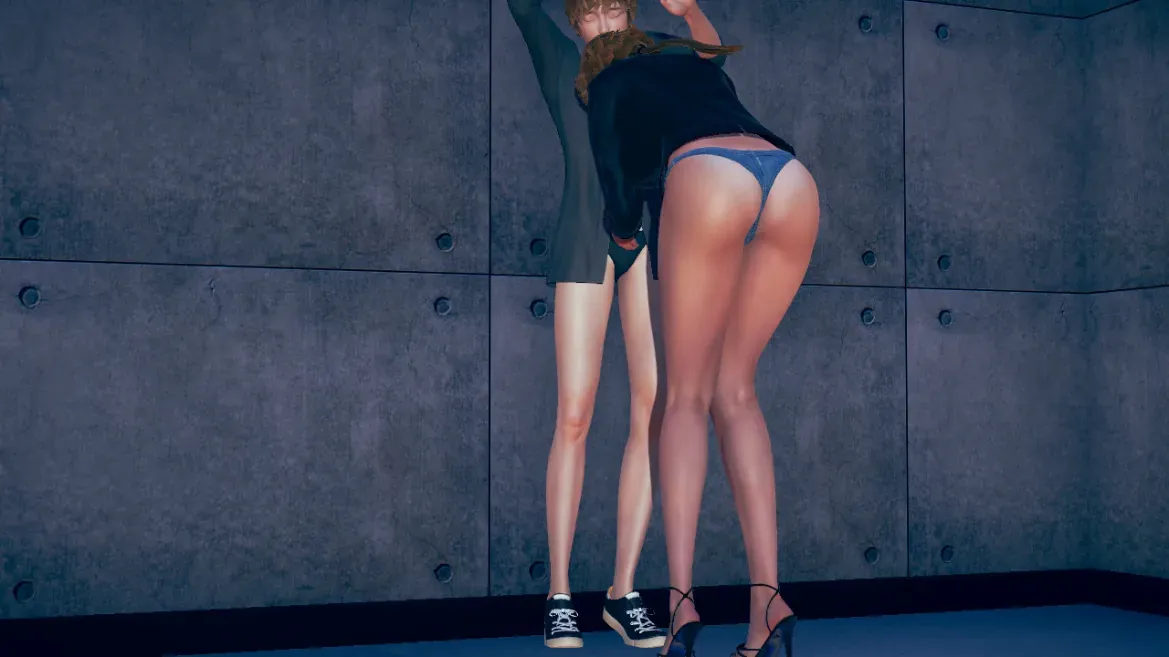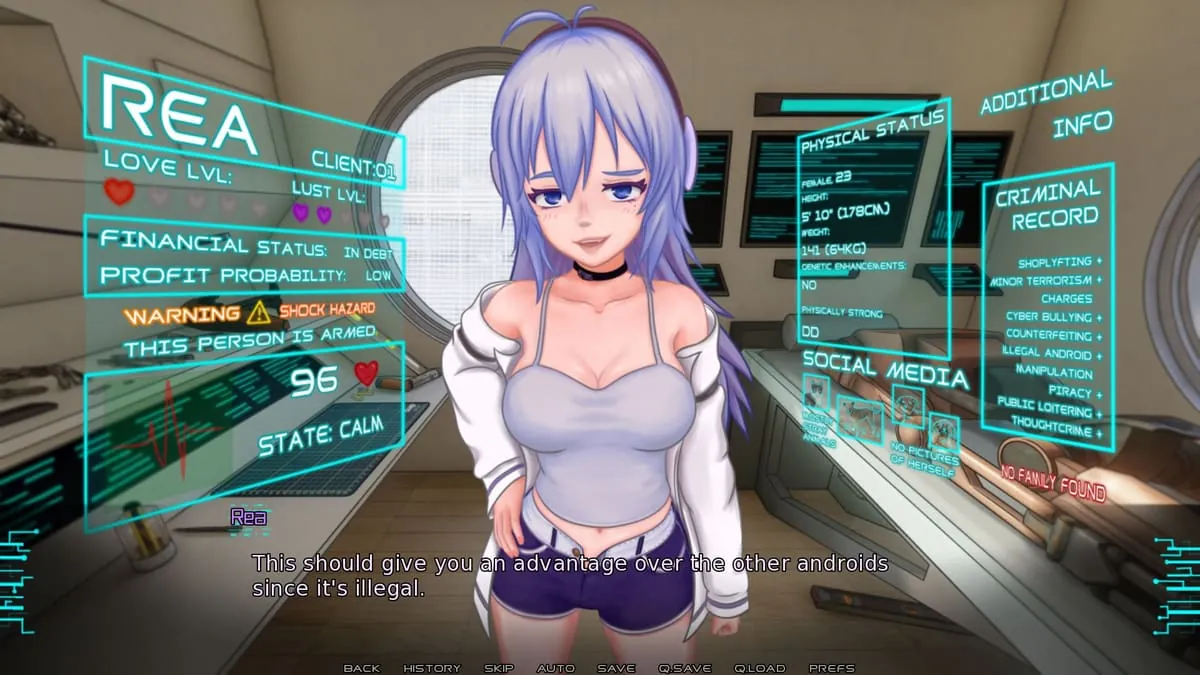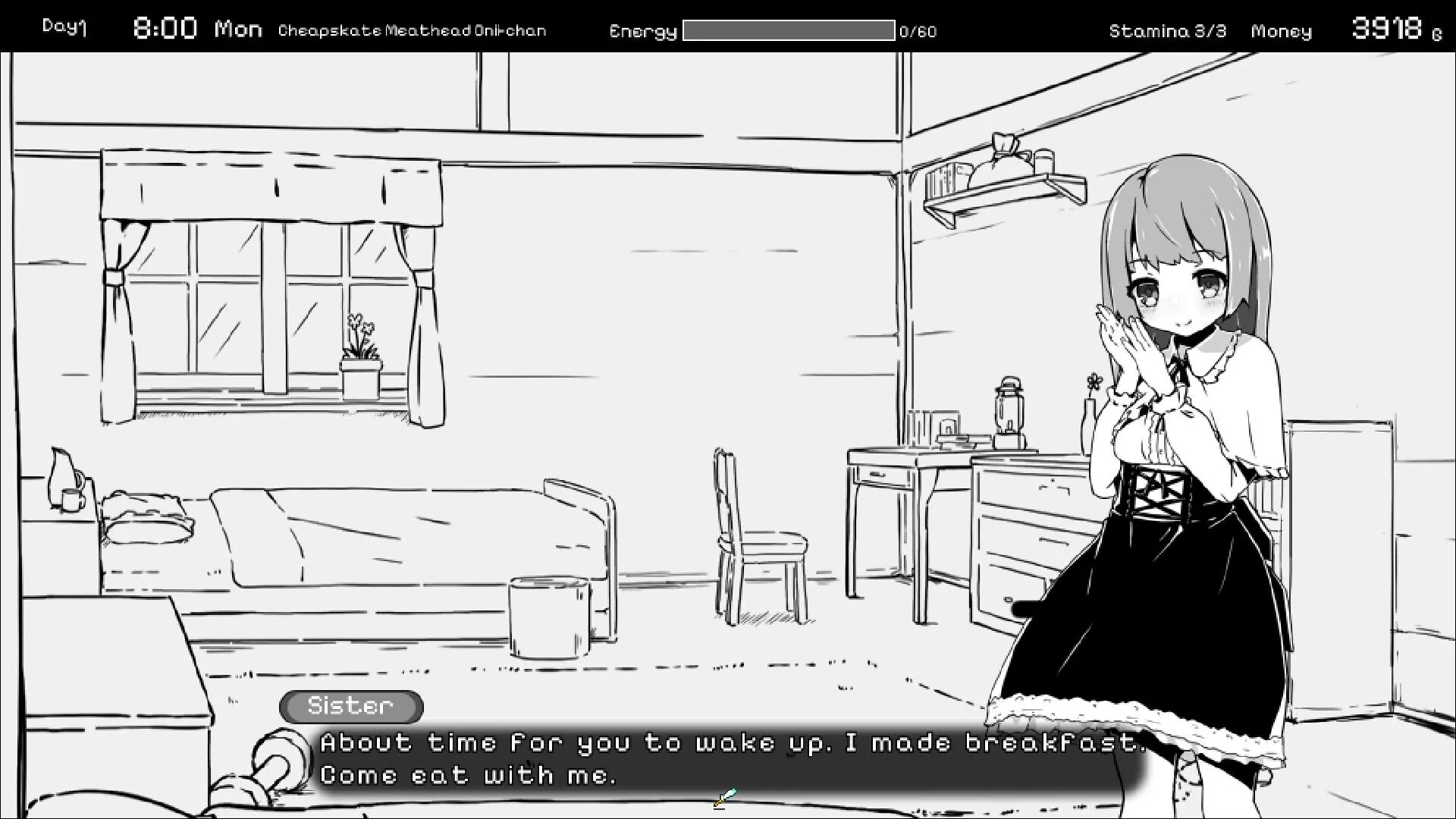
Twisted Memories
Play Twisted Memories
Twisted Memories Screenshots
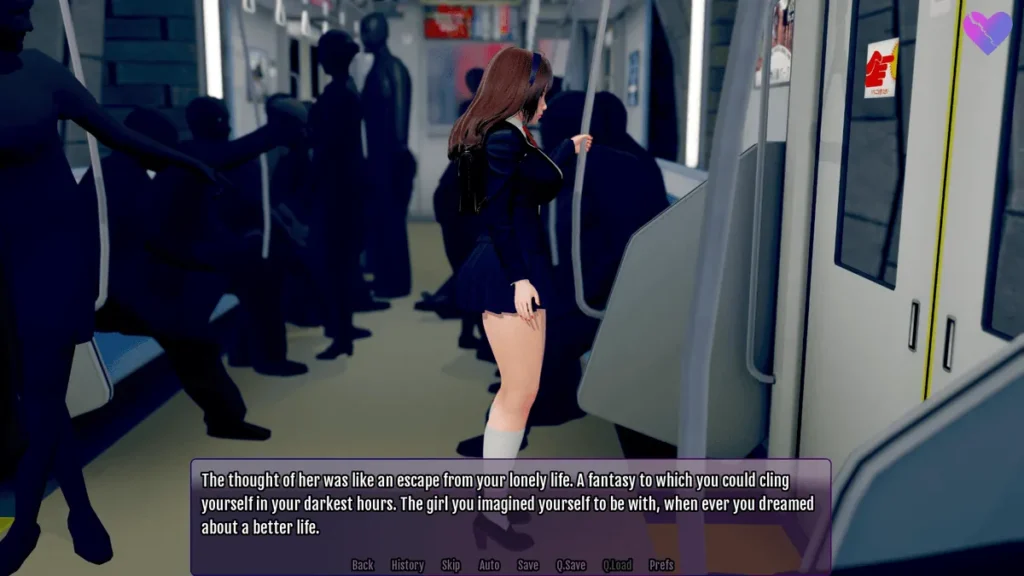


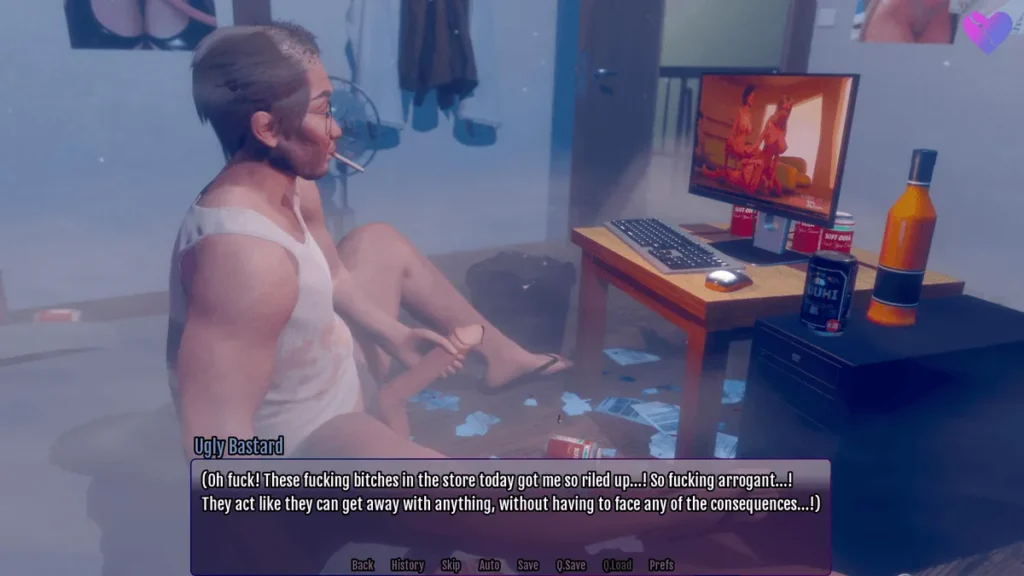
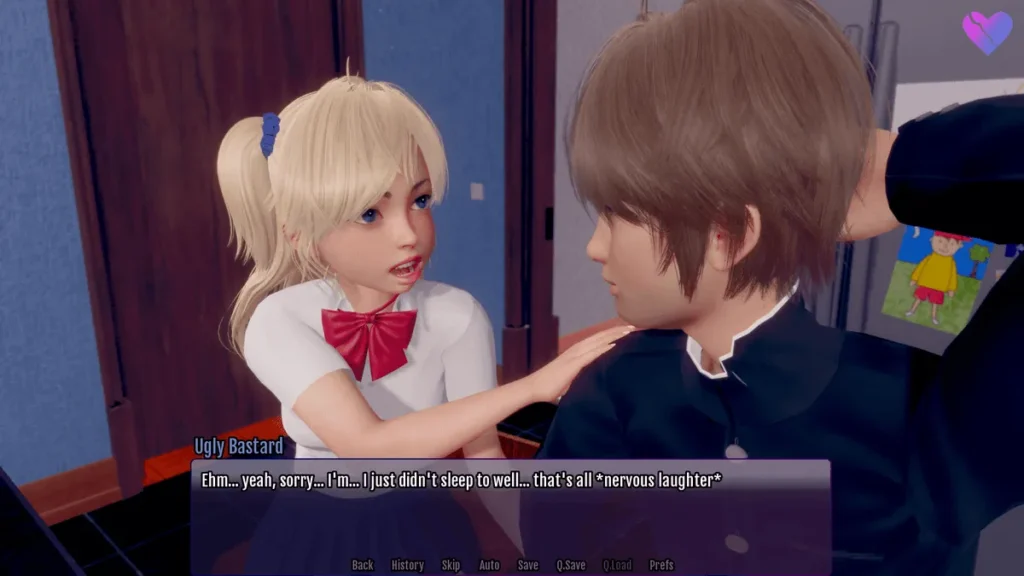



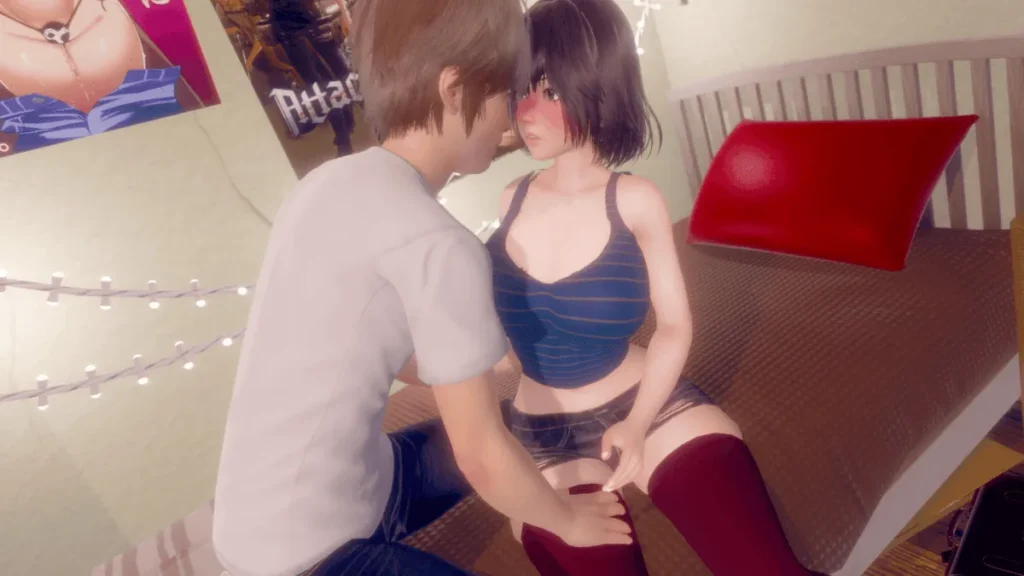

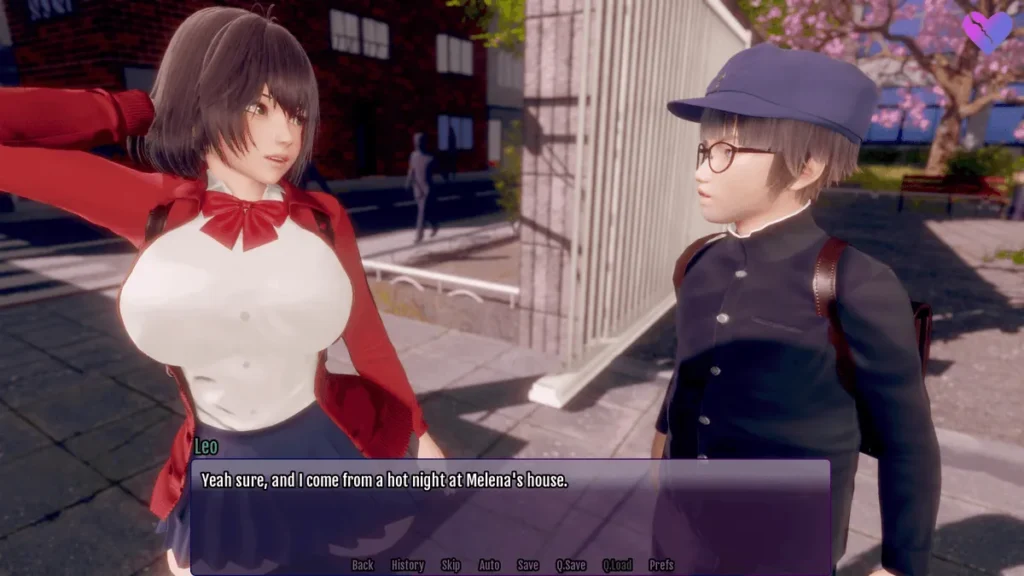
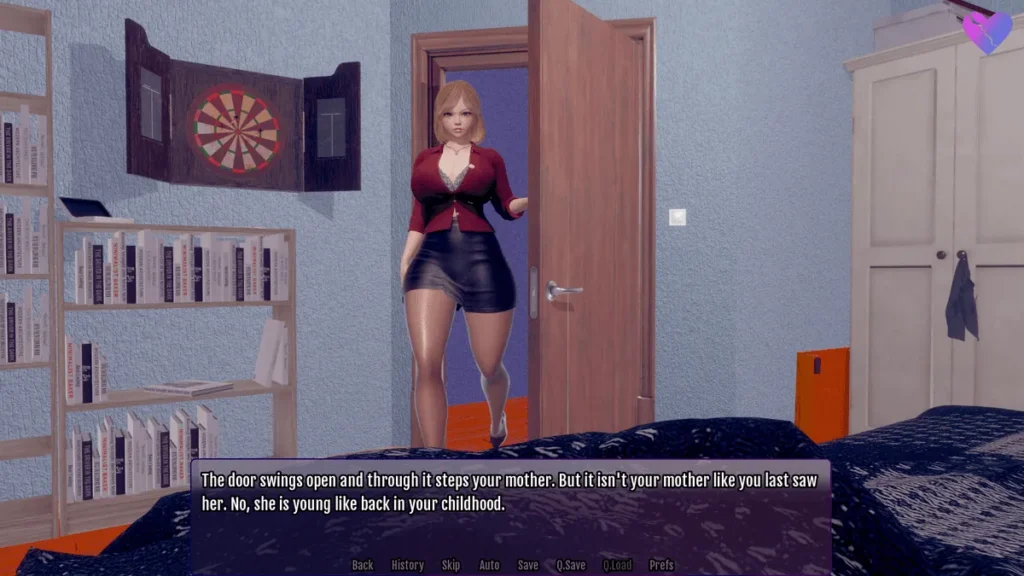
Twisted Memories review
An In-Depth Look at the Gameplay, Story, and Player Experience of Twisted Memories
Twisted Memories is a captivating game that draws players into a complex narrative filled with intriguing characters and immersive gameplay. This article explores the core aspects of Twisted Memories, focusing on its unique features and player experience. Whether you’re a newcomer or looking to deepen your understanding, this guide offers practical insights and personal perspectives on what makes Twisted Memories stand out in its genre.
Understanding Twisted Memories: Gameplay and Storyline
Have you ever played a game that lingers in your mind long after you’ve put down the controller? One where the line between memory and reality feels as thin as a spider’s web? That’s the haunting magic of Twisted Memories. 🕯️ This isn’t just another title on your digital shelf; it’s a psychological journey that reshapes how you interact with a story.
I remember booting it up for the first time, expecting a straightforward mystery. Within an hour, I was second-guessing my own choices, deeply invested in characters who felt more like fragments of a fading dream than pixels on a screen. If you’re curious about what makes this experience so unique, let’s pull back the curtain together.
What is Twisted Memories? An Overview
At its heart, the Twisted Memories game is a first-person narrative adventure wrapped in a psychological thriller. You step into the worn-out shoes of Leo, a man returning to his eerie childhood hometown, Blackpool, after receiving a cryptic and unsettling letter. The town is a character in itself—a place of fog-drenched streets, creaking floorboards, and shadows that hold more than just darkness. The core premise is deceptively simple: uncover the truth behind a traumatic event from your past. But in this world, the past is not a fixed point; it’s a malleable, treacherous thing.
The genius of the Twisted Memories plot is that it makes you an active archaeologist of the mind. You’re not just watching Leo’s story unfold; you’re sifting through his fractured recollections, deciding which threads to pull and which to leave buried. Is that a genuine memory of a friendly neighbor, or a protective fiction your younger mind created? The game constantly asks you to question everything, including the narrator. This creates a deeply personal connection—your investigation feels less like playing a level and more like piecing together a part of yourself you’d rather forget.
Key Gameplay Mechanics and Features
So, how do you navigate this labyrinth of the mind? The Twisted Memories gameplay is a masterclass in environmental storytelling and meaningful choice. Forget complex combat systems or intricate skill trees. Here, your primary tools are observation, interaction, and deduction.
The core loop involves exploring hauntingly detailed locations, from derelict houses to foggy forests, and examining objects that trigger “Echoes”—flashbacks to key moments. You’ll then enter the Memory Palace, a stunning visual representation of Leo’s subconscious. This is where the core Twisted Memories features shine. In the Palace, you can physically manipulate these Echoes, aligning them, comparing them, and sometimes even altering small details to see how the memory changes. It’s a powerful metaphor for how our minds work and forms the brilliant puzzle-solving heart of the game.
Your choices in dialogue and action don’t lead to a simple “good or bad” ending. Instead, they directly influence Leo’s mental state and the reliability of the memories you uncover. Push him too hard toward a painful truth, and the world might literally glitch and distort around you. Opt for a gentler approach, and you might miss crucial clues. It’s a constant, thrilling tightrope walk.
My Pro Tip: Take your time in every environment. The most innocuous item—a discarded toy, a specific song on the radio—can be the key to unlocking a pivotal memory. The Twisted Memories gameplay rewards the curious and the patient. 🧩
To give you a clearer picture of how these systems work in harmony, here’s a breakdown:
| Gameplay Feature | Narrative Impact | Player Experience |
|---|---|---|
| The Memory Palace | Allows direct manipulation of story fragments; the plot changes based on memory arrangement. | Feels like being a detective and a therapist simultaneously, solving puzzles that are emotional in nature. |
| Environmental “Echoes” | Objects trigger non-linear flashbacks, revealing character backstory and plot details out of order. | Creates an active, piecing-together sensation rather than passive cutscene watching. |
| Psychological State Meter | Leo’s stress and clarity levels affect dialogue options and environmental stability. | Choices carry tangible weight, making the player responsible for the protagonist’s well-being. |
| Non-Branching, but Malleable Plot | The core truth remains, but the path to it and Leo’s understanding of it are unique to each player. | Eliminates “save-scumming” pressure; encourages playing authentically based on your interpretation. |
The Narrative and Character Dynamics
While the mechanics are innovative, the soul of the experience lies in its Twisted Memories storyline and its deeply flawed, human Twisted Memories characters. This isn’t a tale of epic heroes and villains, but of broken people trying to cope with loss, guilt, and the stories they tell themselves to survive.
Leo is our vessel, and his journey is one of painful self-discovery. His relationships with the supporting cast—like his skeptical sister Clara, the enigmatic old family friend Mr. Finch, and the ghostly figure of his childhood friend Sam—are the anchors of the plot. Each interaction feels charged because you’re never sure if you’re seeing the person as they are, or as Leo’s damaged psyche remembers them. The Twisted Memories characters are puzzles in their own right, and understanding them is as important as solving the environmental mysteries.
I’ll share a moment that crystallized the entire experience for me. Midway through, I uncovered a memory of a violent argument between Leo’s parents. The Memory Palace presented me with two conflicting “Echoes” of the same event—one where his father was the aggressor, and one where his mother was. The game didn’t tell me which was real. I had to examine other, smaller memories: the way his father later gently fixed a toy, a photo of his mother with a genuinely warm smile. Based on these fragile fragments, I chose which memory to “accept” as truth.
The result wasn’t just a checkmark on a quest log. In the next scene, Leo’s dialogue with another character subtly shifted to reflect my chosen narrative. He spoke with either more sympathy or more resentment. In that moment, I wasn’t just playing a game; I was ethically wrestling with the nature of memory itself. I was responsible for the man Leo was becoming. That is the unparalleled power of the Twisted Memories storyline.
How to play Twisted Memories successfully, then, is less about mastering controls and more about embracing a mindset. Come with empathy, attention to detail, and a willingness to question every assumption—including your own. This game stands apart in its category by refusing to let you be a passive consumer of story. You are the co-author, the editor, and sometimes the destroyer of the tale being told.
It’s this profound marriage of innovative Twisted Memories gameplay and a gripping, personal Twisted Memories plot that creates an experience you don’t just play, but feel and remember. Whether the memories you untangle are beautiful or tragic is, in many ways, up to you.
Twisted Memories offers a rich blend of engaging gameplay and a compelling narrative that keeps players invested. Its unique mechanics and well-crafted storylines provide a memorable experience for both new and seasoned players. Exploring its characters and plot twists reveals the depth and creativity behind the game. Whether you’re seeking entertainment or a challenging adventure, Twisted Memories delivers on multiple fronts. Dive in and discover the twists and turns that await you.